NZ’s climate in ‘uncharted territory’, with more extreme weather events ahead
STR/AFP via Getty Images Much is being made of a record-strength El Niño event that could well spell a drier, windier summer for the north and east of New Zealand.
But, as a major new stocktake shows, it is forming against a backdrop of warming that’s pushed the country’s climate into “uncharted territory”.
The Our Atmosphere and Climate 2026 report shows New Zealand has warmed by 1.36°C since record keeping began in 1909 , with seven of the ten warmest years within the decade since 2016.
Carbon dioxide (CO₂) levels, as measured at a monitoring station at Baring Head, are up by 30% since 1972 and the annual rate of increase has tripled since the 1960s.
Globally, CO₂ levels are now higher than they have been for millions of years .
Ocean surface temperatures around New Zealand have warmed 34% faster than the global average and the Tasman Sea region has become a hotspot for marine heatwaves , with profound effects on marine ecosystems .
The warming will continue to accelerate an already dramatic loss of glacial ice in New Zealand, with glaciers expected to lose 50% to 85% of their remaining mass this century and some possibly disappearing completely unless emissions are brought down fast enough.
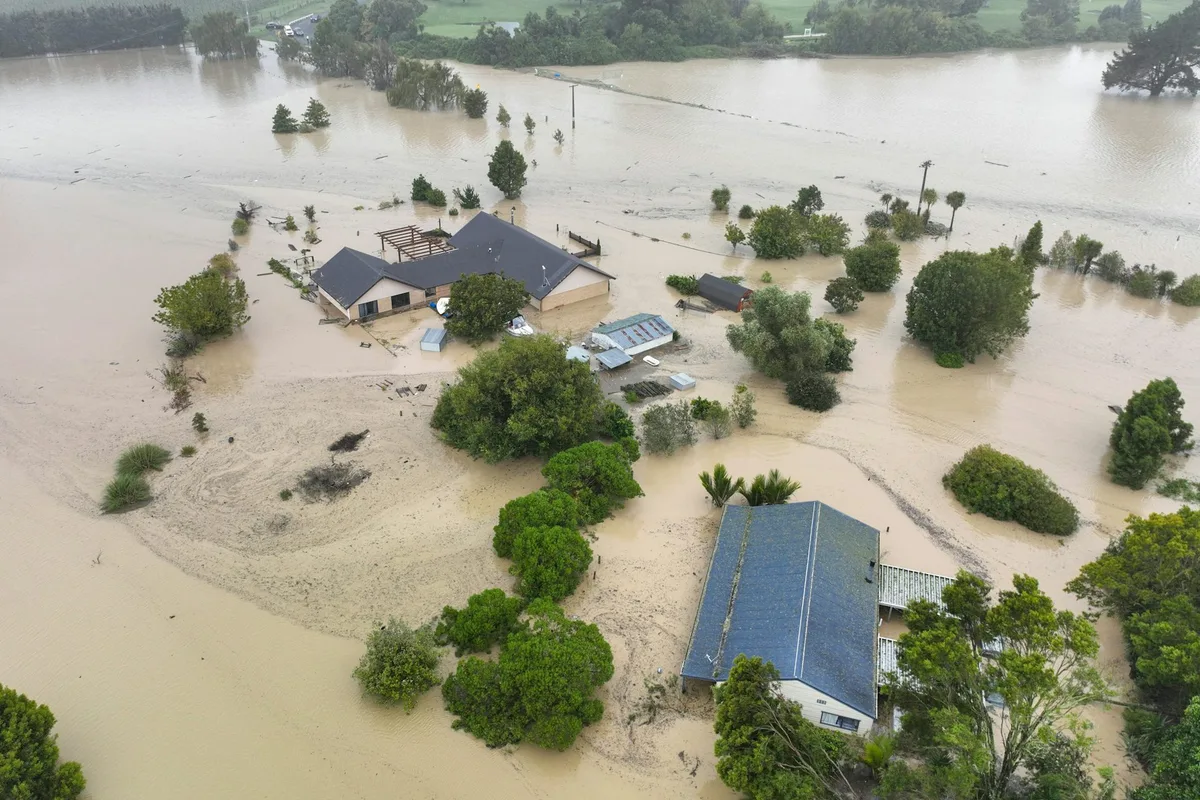
With the El Niño on top of the ongoing warming, some parts of the country can expect stronger rainfall extremes this summer , particularly in the west of the South Island, while some eastern regions will experience more intense drought.
New Zealand’s global role The report also highlights New Zealand’s contribution to global emissions.
While New Zealanders account for only 0.06% of the world’s population, they add 0.17% to total emissions.
On a per-capita basis, New Zealanders are among the top 40 emitters internationally.
While tracking background warming trends, the report also discusses changes in episodic extreme events that can cost lives and damage housing, infrastructure and livelihoods.
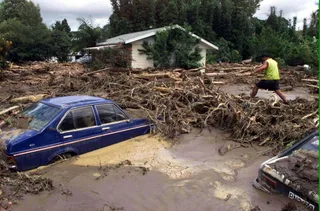
New Zealand is set to see a future of more frequent and extreme droughts, heatwaves and fires, along with bigger floods.
However, cold extremes will be rarer, along with huge changes to cooler parts of the country that will affect water and food security.
5News aggregated this summary from the outlet’s public feed. The full article, with all the context, is on theconversation.com — the content belongs to The Conversation Australia.