There’s a hidden bias affecting what we know – and don’t know – about nature
S.
Mahdi H.
Miangoleh/Unsplash Our knowledge about life on Earth is built through research on how organisms function, evolve and interact with each another and the environment.
Yet there are far more species on our planet than scientists can study in detail.
So how should scientists decide which species to focus on? Fairly representing all species seems like a useful approach.
It’s like predicting an election result: we can’t interview every citizen, so we need a sample that truly represents the overall population.
What drives scientists to uncover nature’s mysteries is curiosity.
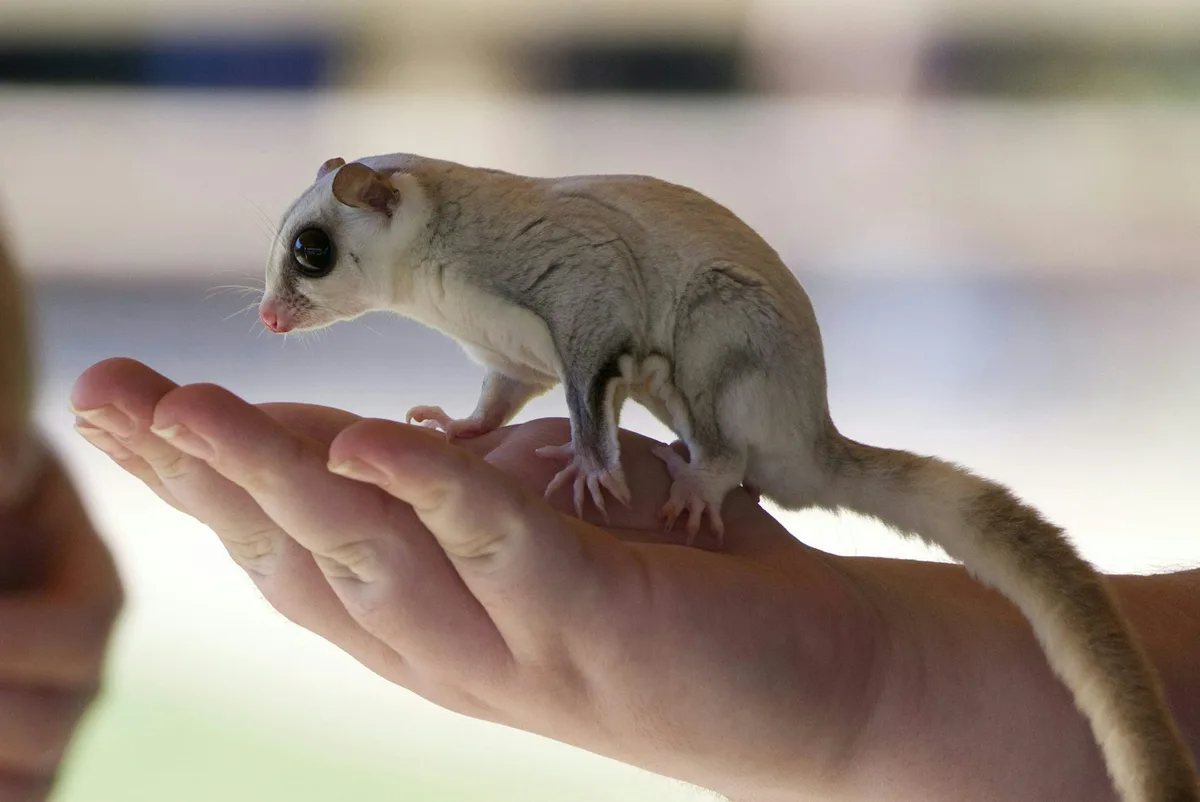
So, the organisms chosen for research are determined by what makes scientists most curious.
And that’s causing a problem with fair representation.
In our new research, we examined research in ecology and evolution (an umbrella term for biological sciences outside biomedicine) to understand which animals are most studied and why .
Our results suggest emotion plays a bigger role in research choices than scientists usually admit.
Which animals are studied? Our world is mostly filled with invertebrates: creatures such as bugs, spiders, worms and slugs.
Vertebrates (amphibians, birds, fish, mammals and reptiles) make up only 5% of all animal species on Earth.
So, if scientists want to represent animals fairly in their work, most research should be on invertebrates.
5News aggregated this summary from the outlet’s public feed. The full article, with all the context, is on theconversation.com — the content belongs to The Conversation Australia.