A poetic meditation on the tongue also explores violence and silence within families
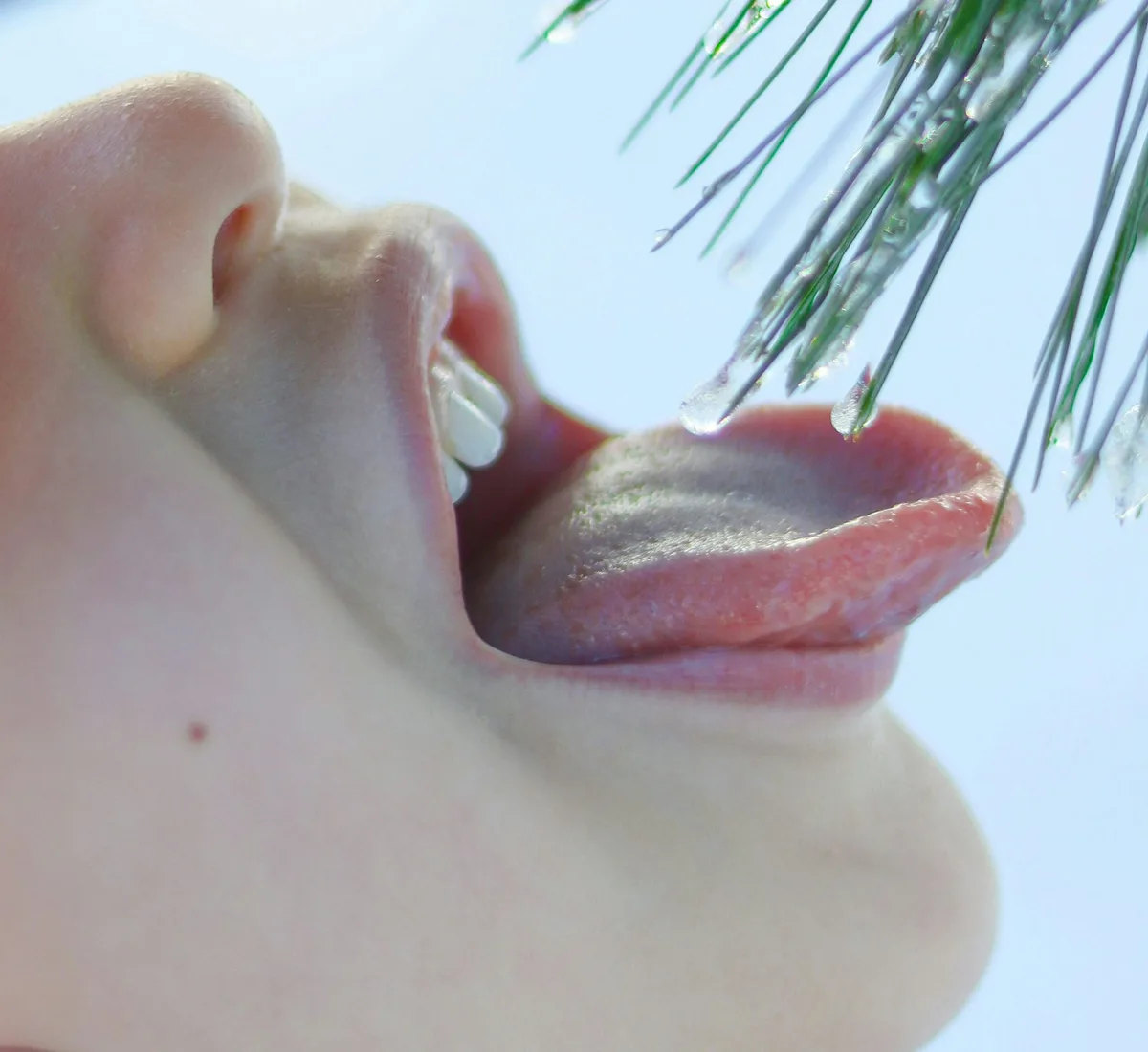
Abeer Zaki/unsplash , CC BY-ND Tongue is a debut book, but Australian author Kathryn Crowcroft has previously published scholarly articles , poems and reviews.
Tongue emerges from her doctorate , as the product of thinking and observations that couldn’t be contained within that work.
Review: Tongue – Kathryn Crowcroft (Giramondo) Tongue certainly shows its research DNA, but it is considerably more than that.
The writing is exquisitely poetic; the hybrid structure suggests artistic innovation; and it balances reflections on the history of the tongue with an account of her own family relationships.
The book straddles genres, blending nonfiction and memoir in a style identified as a “nodal essay”: a sequence of fragments, or discrete narrative nodes, rather than a conventional linear story.
It seems to have been woven together from fragments of a life and memories of parent/child interactions, flavoured with quotations from archival documents, and coloured with vignettes of day-to-day interactions with colleagues – Florian, Rowan, Dora – who are given no backstory, nor identifiable features.
Threaded through this fabric are interweaving strands that provide both the through-line for the story and the moments of illumination that make the reading so absorbing.
A shapeshifter One thread is, of course, the tongue.
The book crafts an expansive and extensive portrait of that (rather unattractive) muscle that is, as she writes in the opening pages, “an organ moulded by the art of movement, a shapeshifter”.
Accounts of its qualities, its composition and its function dot the pages, in descriptions that shift between the clinical and the lyrical.
Here and there are images of tongues she has found in medieval or later medical texts.
One is a drawing of the papillae – the small bumps on the surface of the tongue – in which three tongues look exactly like strange beings relaxing on a park bench.
Other images present cross-sections of membranes, a badly bitten tongue, one that is badly blistered, another that resembles a dragon … and so on.
Drawing of a tongue from a 1910 medical book.
5News aggregated this summary from the outlet’s public feed. The full article, with all the context, is on theconversation.com — the content belongs to The Conversation Australia.