BIG READ | Shoprite: from R1m bet to R200bn retail wonder
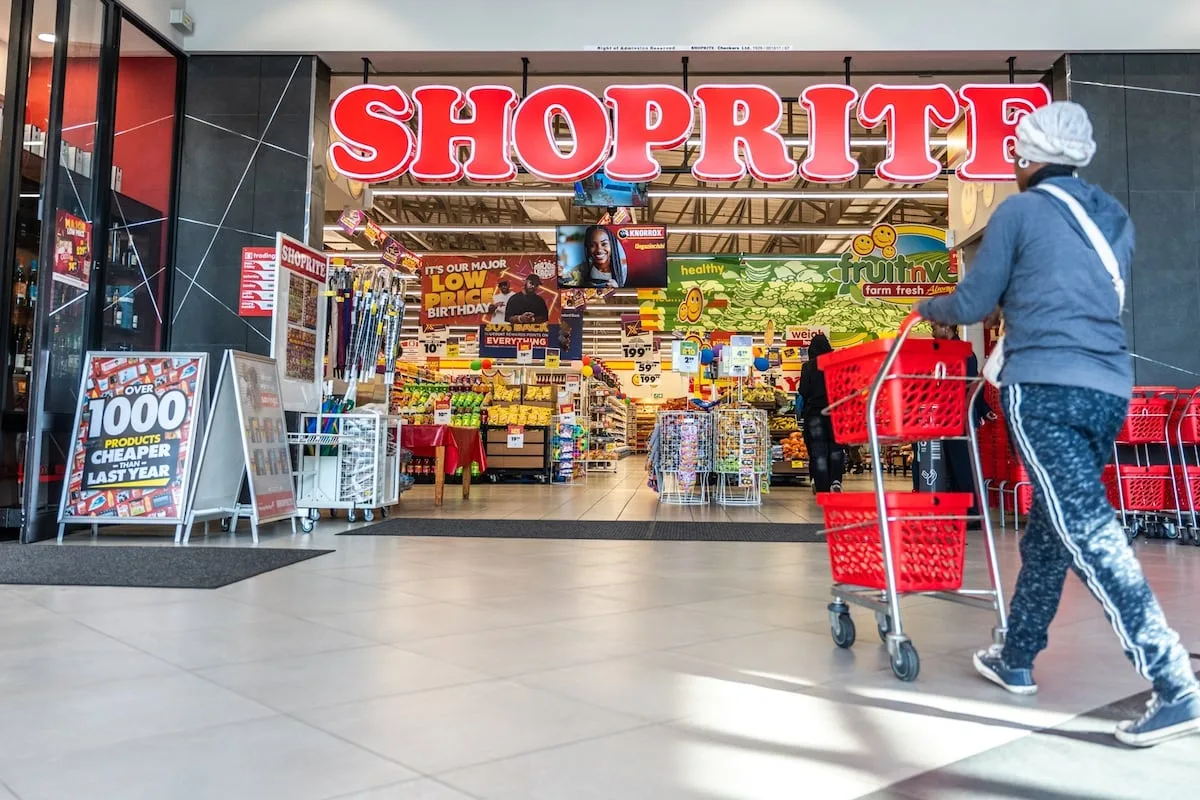
When Barney Rogut and his business associate Basil Geller opened their first store in Wynberg, Cape Town, in 1966, little did they know they had planted the seed for what would become the biggest grocery chain Africa has seen.
Thirteen years after the opening of their first store and eight outlets later, a forceful and ambitious businessman by the name of Whitey Basson , together with retail tycoon Christo Wiese, led the buyout of the business that would become a household name in South Africa — Shoprite.
In its 40th year as a publicly traded company, Shoprite is second to none, with 3,700 stores. It is also the biggest private sector employer in its home market, responsible for the livelihood of 174,000 employees — who were paid R21.7bn in salaries and benefits in the 2026 financial year.
All this from an initial investment of R1m in 1979 — a drop in the ocean — for a group whose market capitalisation is approaching R200bn, selling about R5bn worth of goods on a weekly basis in the year ended June 2026.
The group was valued at R199bn on Friday — underscoring the enormous shareholder value created over the past 40 years on the JSE.
When the group was listed in 1986 — a tumultuous time in South Africa as the apartheid government began to implode and debilitating sanctions were imposed on the regime — Shoprite was valued at R29m.
The success of the group, both in the lower end of the market and with Checkers at the affluent end, has come despite poor GDP numbers over the past 13 years, with the company defending its earnings base admirably.
It has done so by continuously being innovative in meeting the needs of consumers and the convenience they seek.
For example, the group’s food-delivery asset Sixty60 has grown to be a market leader, assuming an iconic status in South Africa’s retail market. Since its launch, Sixty60 has created more than 9,000 direct new jobs, raking in R25.5bn in revenue in the 2026 financial year, a surge of 34.7% from the previous year.
Makwe Masilela from Makwe Fund Managers likened Shoprite’s growth to that of Capitec — the country’s largest bank by customer numbers, 26-million to be precise.
“Shoprite had their supermarkets right where the masses (middle-to-lower living standards measure, or LSM) resided, while their competitors couldn’t be seen inside townships. They then challenged their competitors in the higher LSM after securing decent market share in the mass market,” Masilela said.
“Their competitive pricing is a function of economies of scale. They then went further back into the mass market by competing with traditional ownership and rural shops by opening the Usave brand . Even their delivery service, Sixty60, is nothing fancy but something that just works reliably.”
The growth of the group has also had a massive socioeconomic impact, with 80,000 jobs created between 2011 and 2026 and R157.2bn spent with BEE-compliant suppliers in the 2026 financial year.
The group’s shareholders have been all the better for it — receiving R4.7bn in dividends in the past financial year, by far the industry’s leading shareholder returns.
5News aggregated this summary from the outlet’s public feed. The full article, with all the context, is on www.timeslive.co.za — the content belongs to TimesLIVE.