4 Easy Ways to Start the Mediterranean Diet
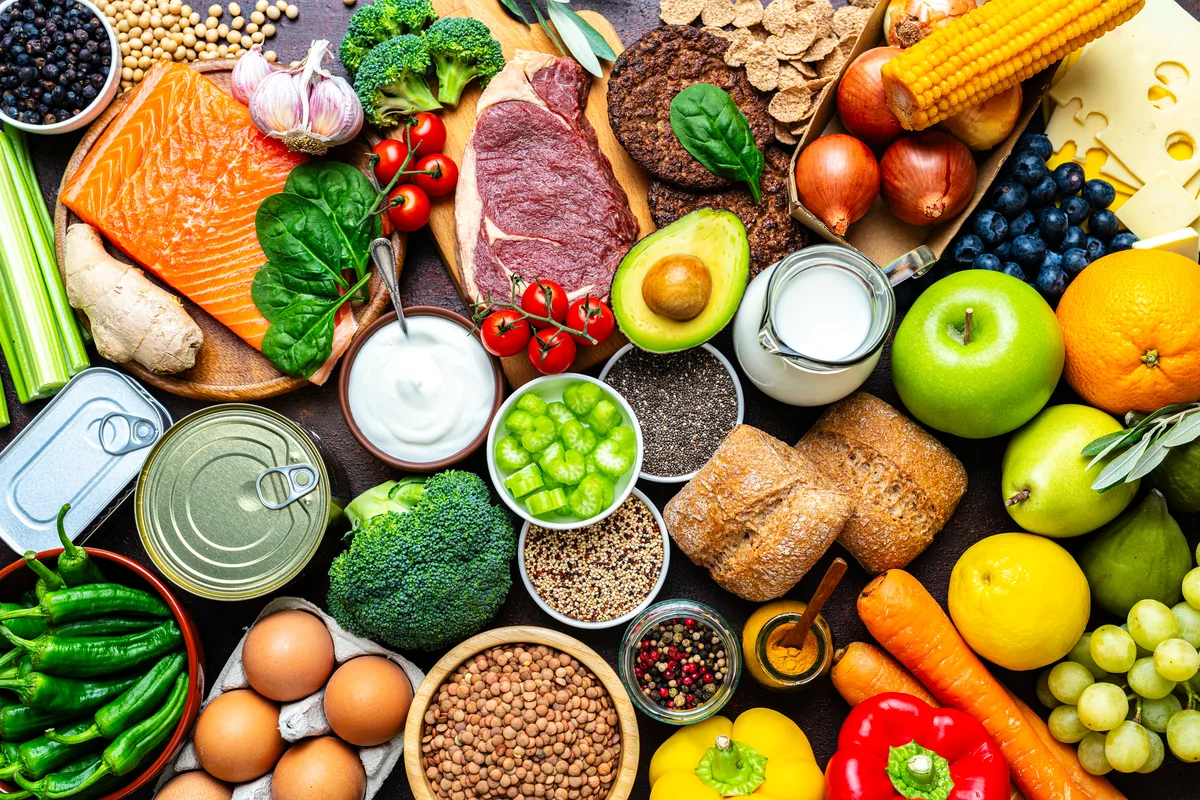
—Fcafotodigital—Getty Images The Mediterranean diet is one of the most researched and most prescribed eating plans for weight loss , heart health , and many conditions in between.
Research has linked it to better health outcomes, including lower rates of Type 2 diabetes, stroke, heart issues , cancer, and even better cognitive health .
Yet many people still have misconceptions about the Mediterranean diet : mainly that it’s expensive and difficult.
“I think that people just have to be told that it is affordable and it's quite easy,” says Joan Saldge Blake, clinical professor of nutrition at Boston University, author of the book Nutrition & You , and the host of the nutrition podcast Spot On! The pillars of the Mediterranean diet include eating more vegetables, whole grains, fish, and olive oil, and consuming minimal amounts of alcohol , red meat , and saturated fats.
Getting good amounts of physical and social activity is a core tenet of the lifestyle plan, too.
But you don’t have to overhaul your diet overnight.
“Try to take one one or two small steps at a time, and you'll eventually get there,” says Angel Planells, a registered dietitian in Seattle and spokesperson for the Academy of Nutrition and Dietetics.
We spoke to experts about easy ways to start adopting the Mediterranean diet.
Embrace frozen and canned produce Americans are woefully behind on their produce intake.
Only about 12% of U.S. adults ate the recommended amount of fruit, and 10% ate enough vegetables, according to the latest analysis by the U.S.
Centers for Disease Control and Prevention..
A great way to start getting more produce on your plate is through your freezer and pantry, Blake says.
When you’re first learning to prepare fresh fruits and vegetables, they can become expensive—especially if they end up rotting away, forgotten, in a fridge drawer.
Since grocery bills have skyrocketed over the last few years , that can make the shift even more daunting.
5News aggregated this summary from the outlet’s public feed. The full article, with all the context, is on time.com — the content belongs to TIME.