How to Stop Wasting So Much Food in Your Kid’s Lunchbox
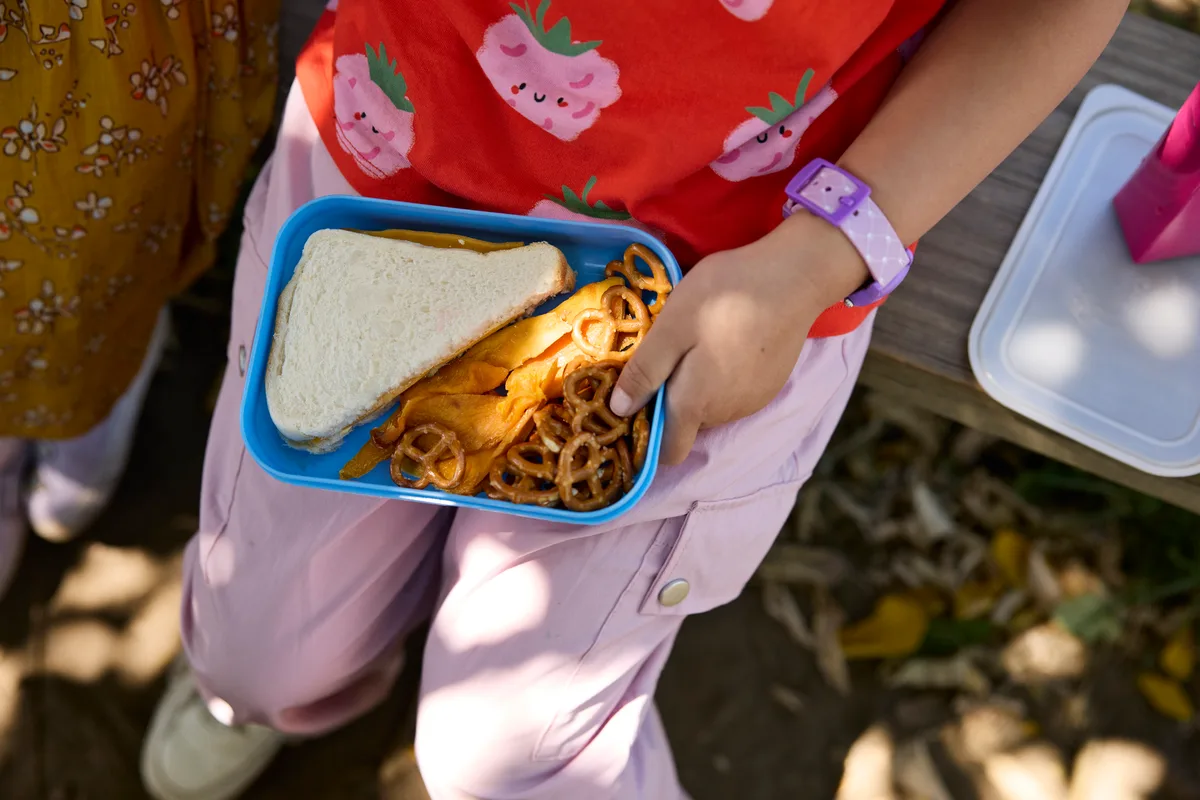
—Klaus Vedfelt—Getty Images Collect everything the average American kid throws away in the school cafeteria over a single year, pile it on a scale, and you'd be looking at roughly 39 lbs of food .
That’s about what a typical 4-year-old weighs.
Multiply that across the country, and school food waste adds up to an estimated 530,000 tons every year—an alarming amount of uneaten sandwiches, rejected fruit , and unopened snacks.
That makes food waste difficult to dismiss as somebody else’s problem.
“If you eat food, you’re part of this whether you like it or not,” says Lauren Click, founder of the nonprofit Let’s Go Compost , which runs food-waste programming in more than 600 schools, libraries, and community centers.
The flip side is that you’re also in a position to waste less—starting with a packed lunch, one of the few pieces of the food system a family fully controls.
Here’s how experts recommend packing a school lunch that produces less trash—and stands a better chance of getting eaten.
See what comes home Before you overhaul your lunch-packing routine, spend a couple weeks paying attention to what returns at the end of the day.
Which foods are untouched? Is the bologna sandwich always missing exactly one bite? What never even made it out of the wrapper? After a few days, you’ll probably start to notice a pattern.
“If you pack based on what actually comes home, not what seems balanced on paper, you can track it each week and adjust over time,” says Lizzie Horvitz, founder and CEO of Finch , a platform that evaluates products for sustainability.
You don’t have to keep tabs on the lunchbox all year.
August and September are when parents are still figuring out what—and how much—their kids will eat.
“If you're really paying attention to ‘what's my kid eating?’ and ‘what's my kid consistently bringing home?’” Horvitz says, “there really shouldn't be any waste after a couple of weeks.” Ask your kid what happened Seeing what comes home is only half the job.
You also need to find out why—and good luck guessing correctly.
5News aggregated this summary from the outlet’s public feed. The full article, with all the context, is on time.com — the content belongs to TIME.