Saturday, October 17, 2026 SourcesAbout🌓
🇺🇸 US ▾
BREAKING
› The 7 best high-yield savings accounts of April 2023› Taxes are due tomorrow. Here's how to file for an extension› Composting is an easy way to reduce food waste. Here's how to do it› We stopped using aluminum foil for cooking and you should too. Here's what to use instead› The beloved Dyson Supersonic hair dryer is at its lowest price ever› Everything you need to know about Way Day 2023, Wayfair's biggest sale of the year› The 10 best Amazon deals to shop this week› The 2024 presidential alternative many voters will want› Dominion still has pending lawsuits against election deniers such as Rudy Giuliani and Sidney Powell› Russia is 'going backwards' in equipment and deploying post WWII-era tanks, according to Western officials› The 7 best high-yield savings accounts of April 2023› Taxes are due tomorrow. Here's how to file for an extension› Composting is an easy way to reduce food waste. Here's how to do it› We stopped using aluminum foil for cooking and you should too. Here's what to use instead› The beloved Dyson Supersonic hair dryer is at its lowest price ever› Everything you need to know about Way Day 2023, Wayfair's biggest sale of the year› The 10 best Amazon deals to shop this week› The 2024 presidential alternative many voters will want› Dominion still has pending lawsuits against election deniers such as Rudy Giuliani and Sidney Powell› Russia is 'going backwards' in equipment and deploying post WWII-era tanks, according to Western officials
Science

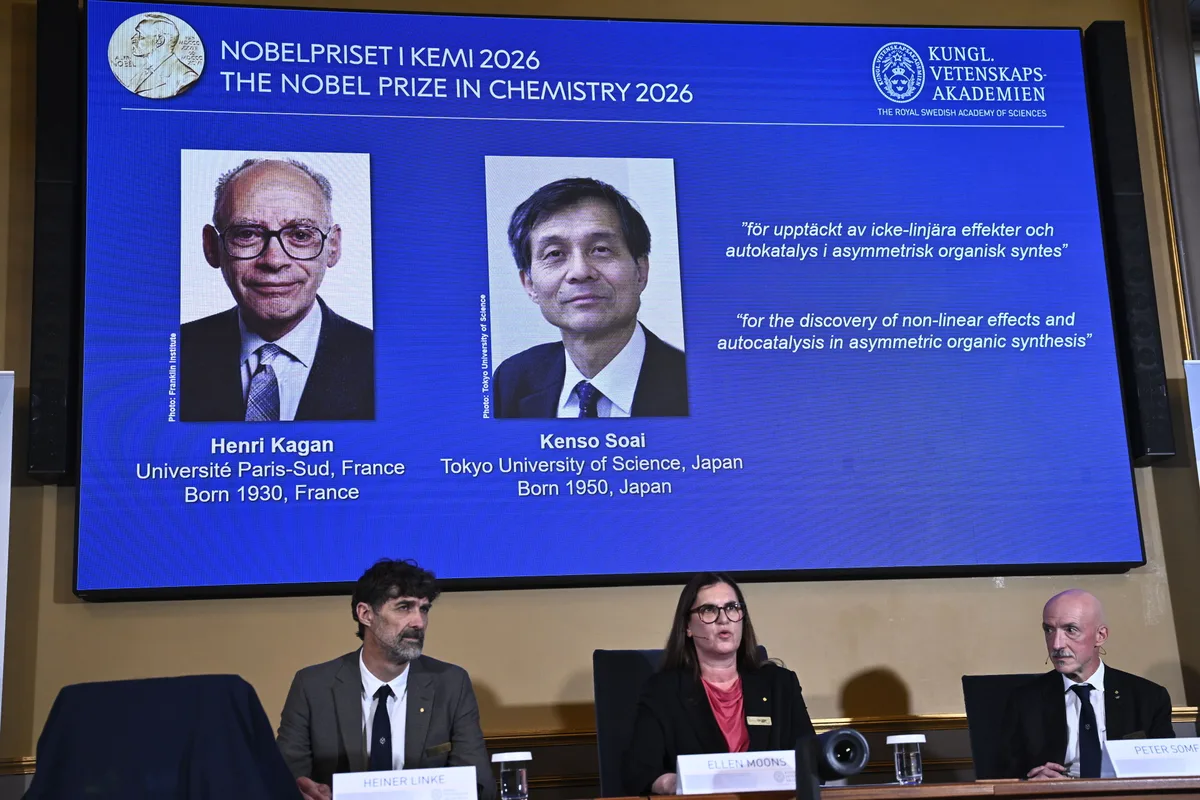
Scientists win chemistry Nobel for discoveries about mirrored molecules that led to many drugs
NPR Science ·
Scientists win chemistry Nobel for discoveries about mirrored molecules that led to many drugs

Scientists Henri B.

Kagan and Kenso Soai won the Nobel Prize in chemistry for untangling mysterious mirror images in molecules, a discovery that has been used to develop countless drugs. (Image credit: Fredrik Sandberg)

Read the full article on NPR Science ›

5News aggregated this summary from the outlet’s public feed. The full article, with all the context, is on www.npr.org — the content belongs to NPR Science.

More from NPR Science

See all ›

More in Science

See all ›