Can ‘magic mushrooms’ help treat cocaine dependence?
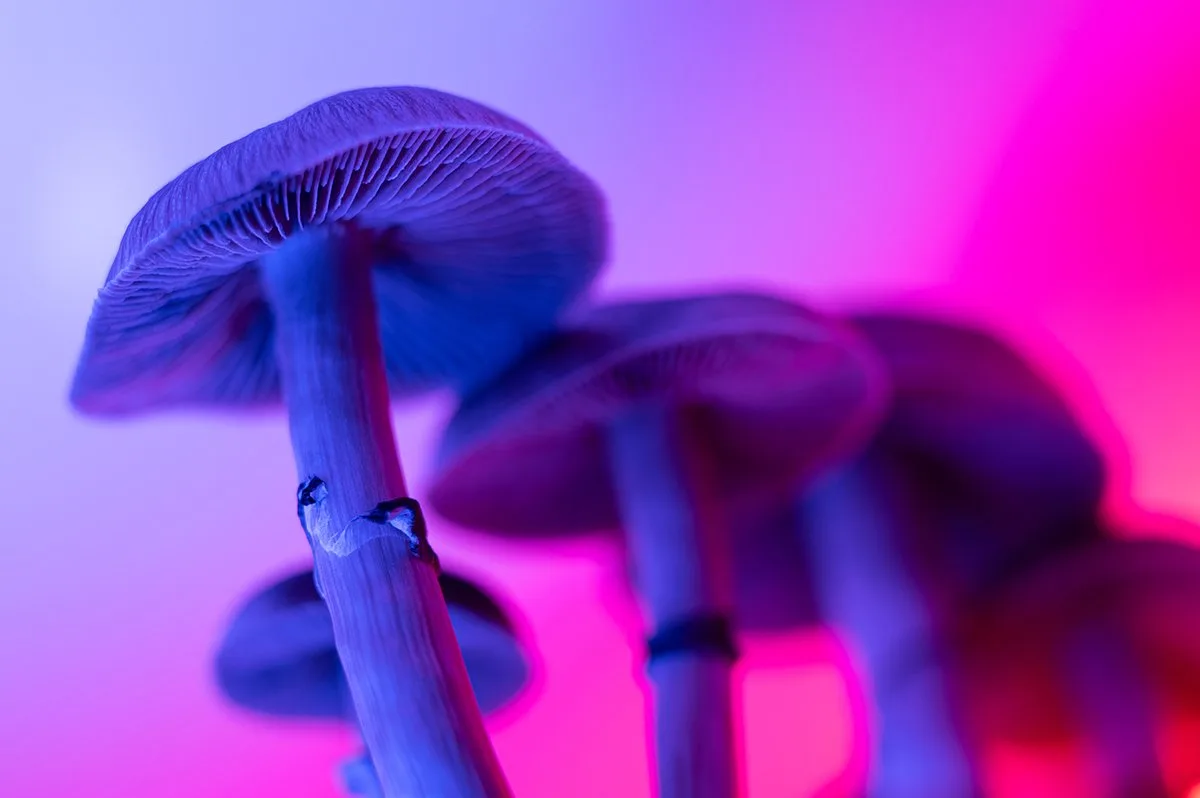
Psychedelic-assisted therapy could open a new path for treating cocaine use disorder, which has no approved medications yet
Scientists are racing to find therapies for cocaine use disorder, a clinically significant addiction to the drug that leads to roughly 22,000 deaths in the U.S. every year and has no treatments approved by the U.S. Food and Drug Administration. Now, in a study published in JAMA Network Open , researchers have found that a single dose of psilocybin combined with about 10 psychotherapy sessions can reduce cocaine use and lower relapse risk. The compound found in “magic mushrooms” had never before been used in a clinical trial to treat the disorder.
“This is definitely a milestone” in the field of psychedelic research, says University of Wisconsin clinical psychologist Christopher Nicholas, who was not involved in the study. The new work adds to a growing body of evidence suggesting psilocybin-assisted therapy may help treat addictions such as alcohol and nicotine dependence.
In a pilot clinical trial in Alabama, 40 adults with cocaine use disorder received either a single dose of psilocybin or a placebo that mimicked some of its side effects. They all received several psychotherapy sessions before and after the drug was administered. Only three participants had previously used a hallucinogenic drug.
If you're enjoying this article, consider supporting our award-winning journalism by subscribing . By purchasing a subscription you are helping to ensure the future of impactful stories about the discoveries and ideas shaping our world today.
Interviews and urine tests conducted during the six months after the treatment showed that 30 percent of drug-receiving participants remained abstinent, whereas none in the placebo group did. The main side effects reported were temporary emotional distress and blood pressure increases during the drug session, as well as headaches afterward.
Most study participants were Black and had lower socioeconomic status; these groups are underrepresented in psychedelic clinical research but are among the U.S. communities most vulnerable to cocaine addiction. “They should always be the priority of what we’re doing,” says University of Alabama at Birmingham clinical psychologist Peter Hendricks, the study’s lead author.
Although the findings are encouraging, Yale University clinical psychologist Brian Kiluk, who wasn’t involved in the study, says the sample size is too small to draw any firm conclusions about psilocybin’s effectiveness. Another limitation, Kiluk says, is that researchers did not fully disentangle the role psychotherapy might have played in changing participants’ behavior. Yet “that is not uncommon in these types of studies,” he says. (Similar concerns were part of why an FDA panel said it rejected MDMA-led therapy for post-traumatic stress disorder .) And researchers have not yet pinpointed a mechanism for the effect.
Psilocybin is currently heavily regulated, although a recent executive order may help fast-track research into the substance.
5News aggregated this summary from the outlet’s public feed. The full article, with all the context, is on www.scientificamerican.com — the content belongs to Scientific American.