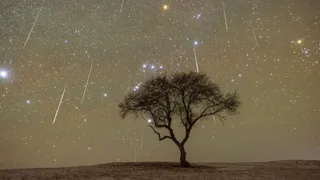
How to see the Orionid meteor shower 2026 peak this week — and when to look
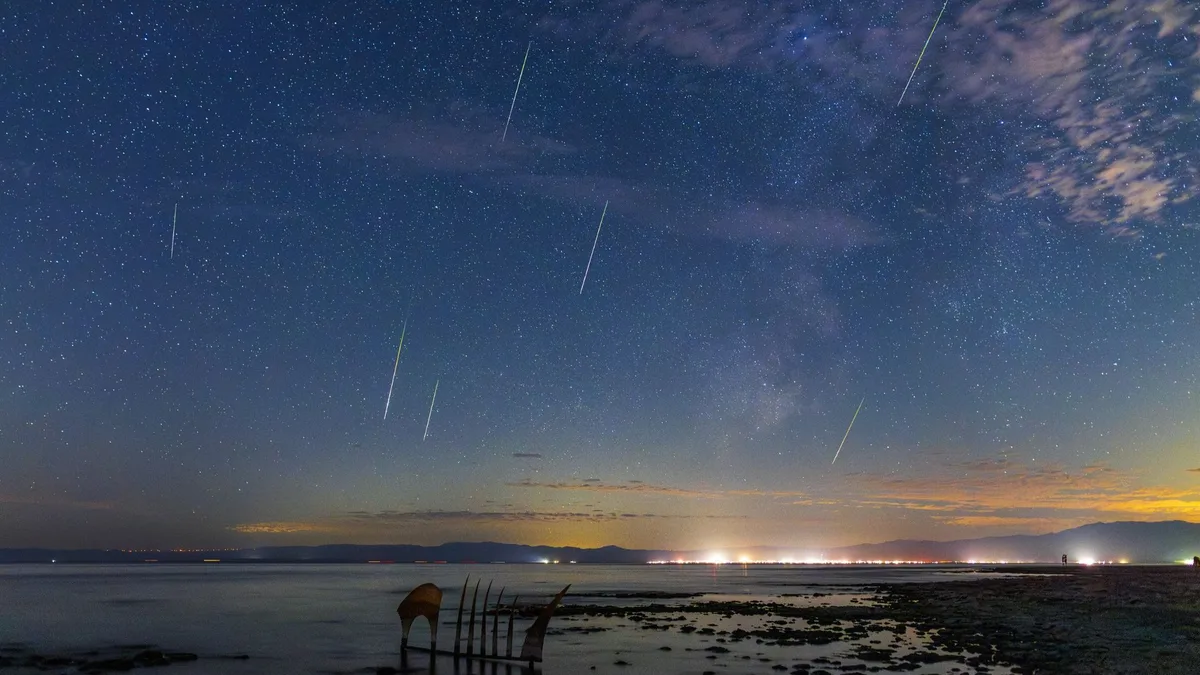
If you love watching meteors, 2026 has given you plenty to enjoy.
This summer, the annual Perseid meteor shower peaked on the day of a new moon — and a solar eclipse — so moonlight stayed out of the way.
And there's more to look forward to: in December, the Geminids, the year's most prolific shower, will peak after a waxing crescent moon sets early in the evening, opening the door to excellent viewing.
Right between those two headline showers, the dependable Orionids take their turn, reaching peak activity around Oct.
21-22.
So, when and where can you catch the show? When and where to watch Make sure you wrap up warm for a night of Orionid hunting. (Image credit: Created in Canva by Daisy Dobrijevic) The Orionids take their name from the spot where they seem to fan out: Orion's raised club, just above and to the left of the reddish star Betelgeuse.
Orion is usually a winter favorite, so in early autumn the mighty hunter doesn't fully clear the eastern horizon until after 11 p.m. local daylight time.
Don't rush outside just yet though.
Wait until around 2 a.m., when Orion is well above the horizon.
By about 5 a.m., just before dawn, Orion reaches its highest point in the southern sky — and the view should be at its best.
Orionid meteors tend to be faint, so city lights can easily wash them out.
If you can, head to a safe, dark rural spot.
Get comfortable in a reclining lawn chair or sleeping bag, give your eyes time to adjust, and enjoy the view overhead and toward the southern sky.
Why the moon won't spoil the show And what about the moon? A full moon arrives October 25-26, but there's still a welcome stretch of dark sky for several mornings before Wednesday.
5News aggregated this summary from the outlet’s public feed. The full article, with all the context, is on www.space.com — the content belongs to Space.com.