Pain Is in the Brain. And That’s a Good Thing
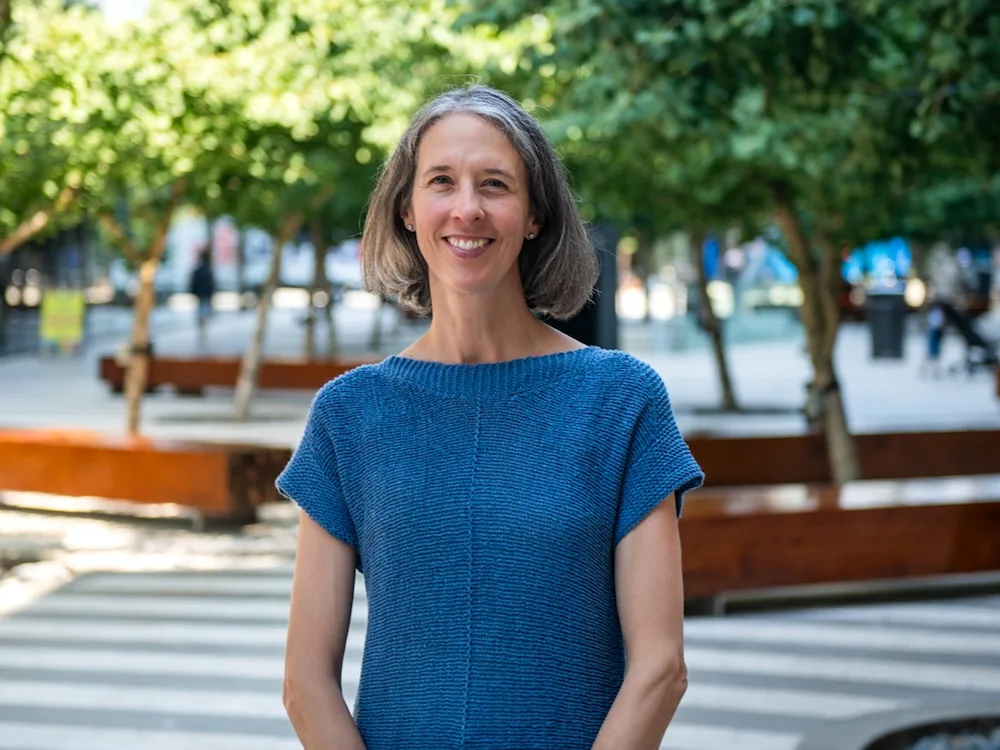
Cynthia Thomson wants to change how Canadians think about and experience pain.
She’s an associate professor in kinesiology at the University of the Fraser Valley and has lived experience with chronic pain.
Back in 2010 when she was studying for her PhD, she started getting pain in her neck, upper back and arm after long hours hunched over a computer or working in the lab.
The pain became chronic. For a decade she tried physiotherapy, massage therapy and countless other practitioners.
Unexpectedly, her path to recovery came during the COVID-19 pandemic when she was cut off from her regular treatment.
She began to listen to audiobooks on neuroscience while she walked in the woods, and learned she’d been thinking about pain all wrong.
Pain is much more complex than injury equals pain, she told The Tyee. A better way to understand pain is through the biopsychosocial model of pain treatment, which recognizes how biological, psychological and social factors influence how pain is experienced, or how strong pain is.
By discovering a new way to think about pain, Thomson was able to eventually cure her chronic pain using multimodal treatment.
The gold-star treatment for chronic pain includes pain science education, cognitive behavioural therapy and physiotherapy, she said.
Today she’s back to mountain biking after a decade of being unable to ride.
Now she’s on a mission to help millions of Canadians change their relationship with pain. One in five Canadians experiences persistent pain, she said.
She’s leading a national advisory panel planning project to develop a guide, supportive tools and training for clinicians to modernize chronic pain treatment.
The Tyee spoke with her to learn what we’re getting wrong with pain, how education can be better than medication and how to hold on to hope.
Cynthia Thomson: People in pain don’t like to hear that, so we say, “It’s not in your head but it is in your brain.” It’s our brain perceiving the pain. Pain is an output from the brain, not an input.
5News aggregated this summary from the outlet’s public feed. The full article, with all the context, is on thetyee.ca — the content belongs to The Tyee.