With NDIS changes set to pass, here’s who bears the cost of making it ‘sustainable’
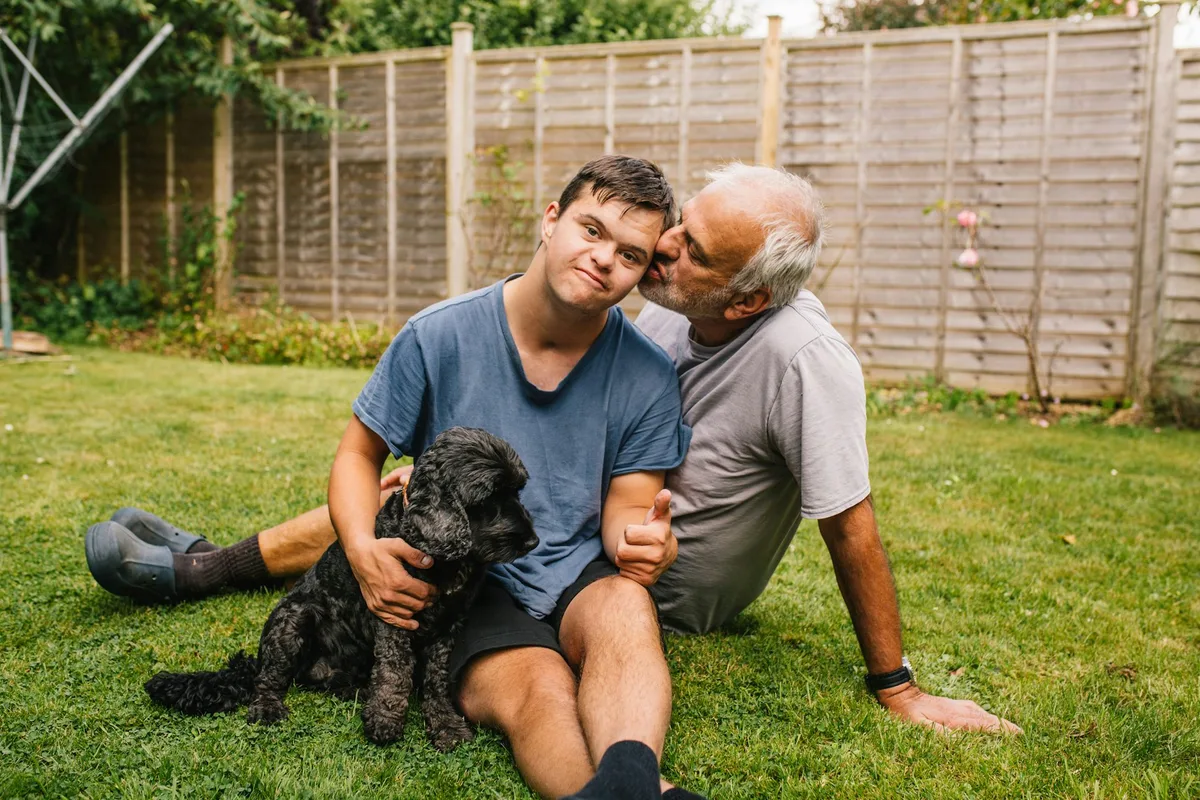
Iuliia Bondar/Getty Legislation to tighten eligibility for the National Disability Insurance Scheme (NDIS) could be be passed as early as next week, after a Labor-led Senate committee today recommended the bill be passed .
The bill, introduced in May and amended in July, aims to slow NDIS spending growth by A$37.8 billion over four years.
Much of this would come from tightening access to the scheme and reducing some forms of participant funding.
Government modelling suggests around 240,000 existing participants could leave the NDIS by 2031.
Another 110,000 people who might otherwise have entered would be diverted to other programs.
Throughout the Senate committee inquiry’s public hearings, there was broad agreement that the NDIS needs reform, particularly to address fraud and exploitation.
But there was intense disagreement – from participants and their families, advocates, health professionals, the Greens and independent Senator David Pocock – over who should bear the cost of making it sustainable.
So what what’s set to change? And who will be most affected? What the changes mean for people with disability 1.
To join the NDIS, you’ll need to show you’ve tried all publicly available treatments Under the proposed rules, applicants will need to show they have undertaken all “appropriate treatment” before their impairment is accepted as permanent and they’re eligible to join the NDIS.
The Greens negotiated amendments to the bill that have narrowed this requirement.
The original bill said a person would need to show they had exhausted all other treatment options.
Under the amended bill, treatments that are regularly used in Australia and publicly funded can be considered.
Restrictive practices cannot count as appropriate treatment.
This addresses some of the concerns raised during the inquiry.
5News aggregated this summary from the outlet’s public feed. The full article, with all the context, is on theconversation.com — the content belongs to The Conversation Australia.