Winston Peters says ‘diversity is disunity’ – what does the evidence tell us?
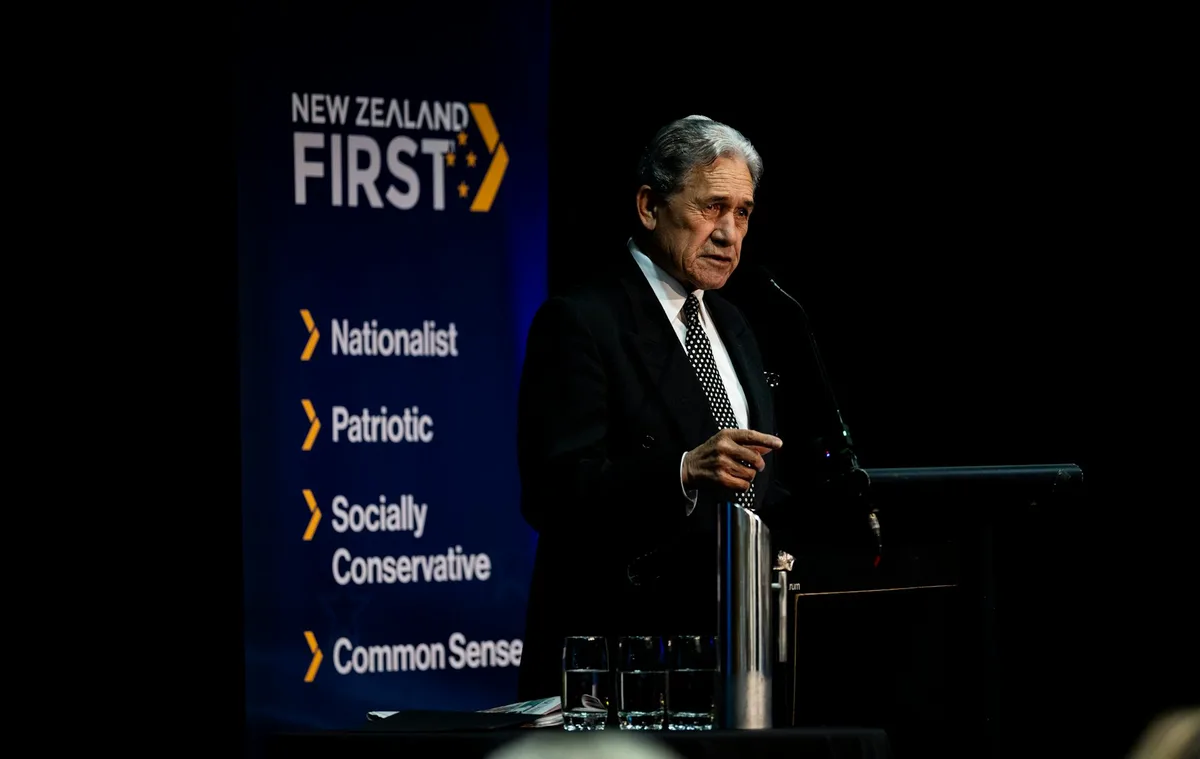
Dean Purcell/NZ Herald via Getty Images When New Zealand First leader Winston Peters recently announced his party’s immigration policy by saying “ diversity is weakness and disunity ”, he deliberately set himself apart from the political pack.
It’s become common to hear politicians, community leaders and businesses extol the benefits of diversity.
And when the five smaller-party leaders were asked during a recent TV debate whether they supported the idea, all but Peters raised their hands.
Nonetheless, New Zealand has not been immune to questioning whether diversity – and especially diversity, equity and inclusion ( DEI ) policies – benefit organisations and countries.
US President Donald Trump made purging the federal government of DEI programmes a priority.
So, what does the evidence tell us? The most influential work at a company level is in three reports from global management consultancy McKinsey & Company.
The third, published in 2023, was titled “ Diversity Matters Even More ” and looked at 1,200 companies in 23 countries, including New Zealand.
Referring to gender and ethnic diversity in leadership, it concluded companies that “make diversity happen have better financial returns”.
McKinsey’s analysis has its critics .
But other work has tended to support the basic findings.
The Wall Street Journal, for example, has found diversity is associated with innovation .
And a Bloomberg analysis of data since 2018 found female representation on boards and in leadership is associated with higher returns .
Diversity NZ style In New Zealand, then Treasury Secretary Gabriel Makhlouf said in 2014 , “Diversity doesn’t compromise performance.
It’s a performance advantage”.
5News aggregated this summary from the outlet’s public feed. The full article, with all the context, is on theconversation.com — the content belongs to The Conversation Australia.