Sunday 30 August 2026 SourcesAbout🌓
🇦🇺 AU ▾
BREAKING
Cats defy AFLW injury carnage to see off youthful Suns Are earthquakes more frequent? Expert explains the recent wave of tremors and what it really means for Australia Transfer latest as deadline looms, Premier League buildup and more – matchday live Tips and race-by-race guide for Taree on Monday Great Idea ready to reboot disrupted career at Taree Knights prop Jacob Saifiti sent off for ‘savage’ hit that knocked out Warriors debutant Luke Laulilii Pacific Islands Forum meeting in turmoil after several leaders pull out of Palau summit Why this Perth author’s fifth book was her most difficult to write yet Tasmanian man charged with murder after elderly woman found dead in home Volkman scores freakish solo try Cats defy AFLW injury carnage to see off youthful Suns Are earthquakes more frequent? Expert explains the recent wave of tremors and what it really means for Australia Transfer latest as deadline looms, Premier League buildup and more – matchday live Tips and race-by-race guide for Taree on Monday Great Idea ready to reboot disrupted career at Taree Knights prop Jacob Saifiti sent off for ‘savage’ hit that knocked out Warriors debutant Luke Laulilii Pacific Islands Forum meeting in turmoil after several leaders pull out of Palau summit Why this Perth author’s fifth book was her most difficult to write yet Tasmanian man charged with murder after elderly woman found dead in home Volkman scores freakish solo try
Science

More phones may soon let us prove photos are real – but will it solve the AI fake image crisis?
The Conversation Australia ·
More phones may soon let us prove photos are real – but will it solve the AI fake image crisis?

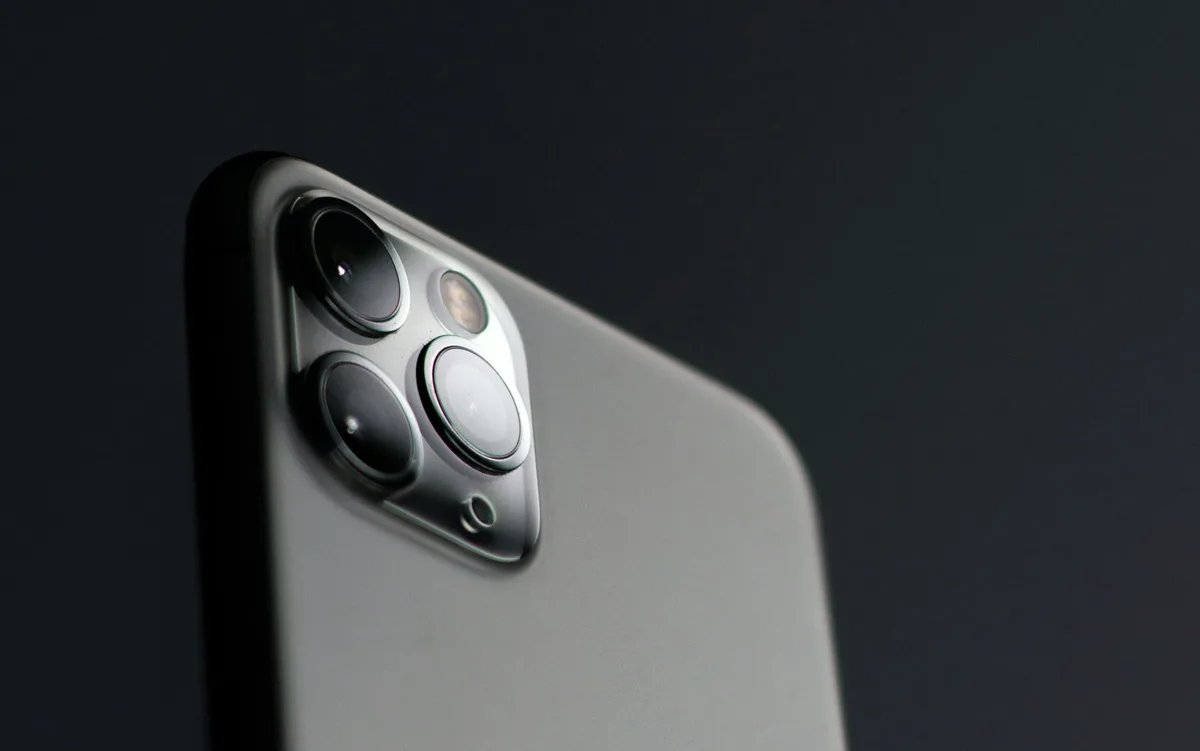
Filip Baotić/Unsplash “Pics or it didn’t happen” was a thing people used to say online when they wanted to verify a claim.

Technology has changed this.

We now regularly see a mix of the surreal and the fantastic.

World leaders saying things they didn’t .

Public figures seemingly endorsing fake products .

And disasters that unfold before our eyes but didn’t really happen .

Now, anyone can create photorealistic images or videos using AI for a range of purposes.

This has changed the nature of visual evidence and our relationship to photos and videos, more broadly.

The glut of AI slop we see online is eroding trust in institutions, gobbling up resources , and scamming people out of their hard-earned money.

When faced with this challenge, we might ask ourselves: what images can we trust in the age of AI? And how are individuals and organisations alike responding? The changing nature of visual evidence We still rely on photographs and videos as evidence in many contexts.

Want to prove an UberEats delivery arrived safely and on time? Take a photo.

Want to prove your behaviour was appropriate? Record a video.

But as AI is being increasingly used to scam, mislead, and deceive, big tech is trying to innovate to reduce the chaos and restore our faith in the vision our cameras capture.

Google, for example, began embedding content authenticity software – a way to prove the origin of an image – in its smartphone cameras in 2025.

Read the full article on The Conversation Australia ›

5News aggregated this summary from the outlet’s public feed. The full article, with all the context, is on theconversation.com — the content belongs to The Conversation Australia.
More from The Conversation Australia

See all ›

More in Science

See all ›