Some Australian research funding is now a lottery. And that’s actually good news
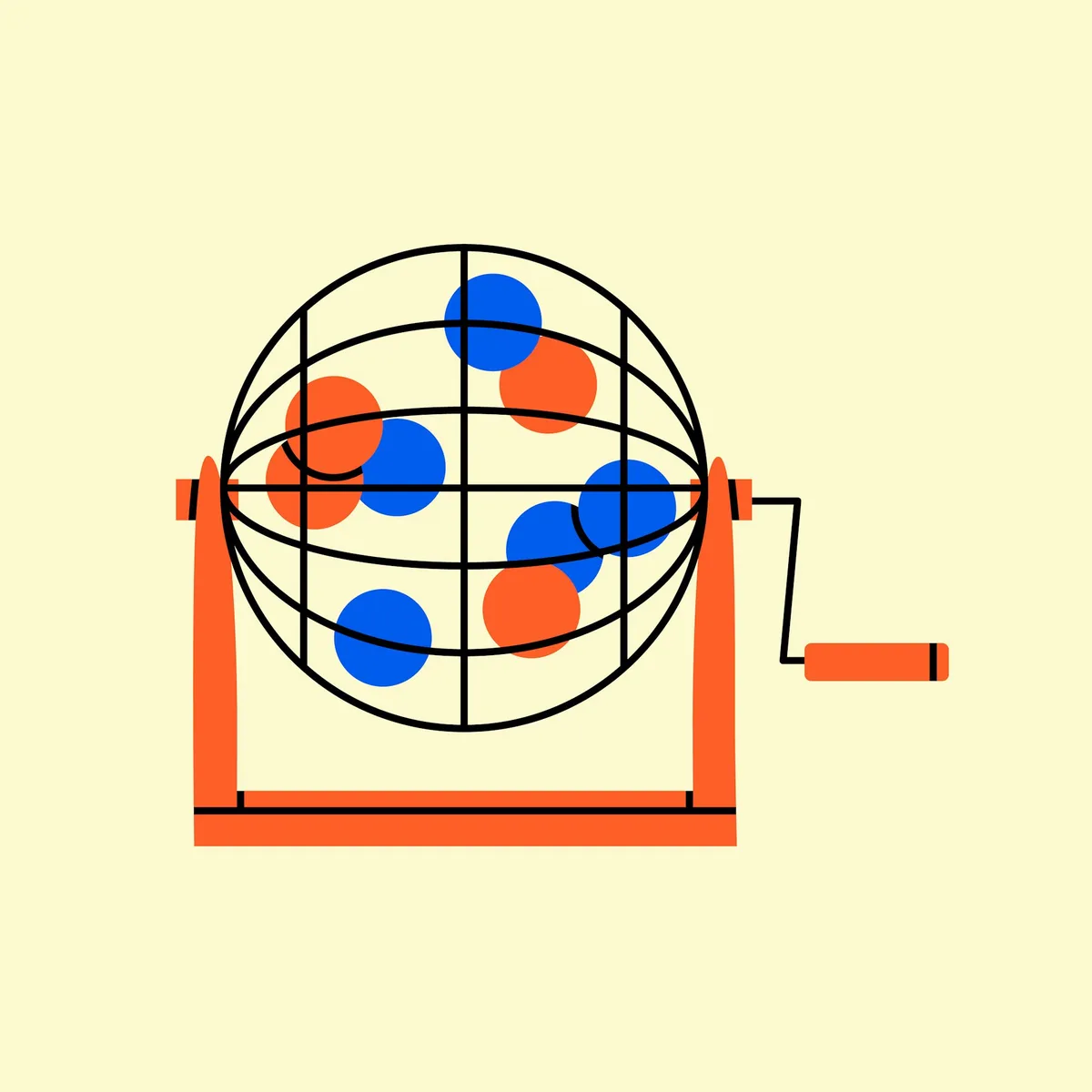
Iryna Pasichnyk / Getty Images This month, the Australian Research Council (ARC) announced that some funding in its new “Explore” grant scheme will be allocated to scientists by a conditional lottery.
Reviewers will classify every application as highly competitive, competitive, or not competitive.
Highly competitive applications will be funded and non-competitive ones will not, which is standard.
However, the “competitive” applications are where it gets interesting: they will go into a lottery, with winners receiving funding.
It might seem like a strange idea to distribute millions of taxpayer dollars by random chance – but evidence from around the world shows it might actually be a very good idea.
Random rules Lotteries are an age-old way of making difficult choices.
In ancient Athens, public officials and jurors were chosen by sortition , so that office could not be captured by the wealthy and well connected.
In more modern history, lotteries have been used to admit babies to London’s Foundling Hospital , to conscript Australian men during the Vietnam War , and to allocate car licences in Beijing to reduce traffic pollution .
Research funding is a more recent application of lotteries, but they are increasingly being used by funders overseas.
New Zealand’s Health Research Council led the way in 2013, followed by Germany’s Volkswagen Foundation, the Austrian Science Fund and the British Academy .
The Swiss National Science Foundation now lets reviewers draw lots as a tie-breaker in all its funding schemes.
A 2022 Nature editorial made the case for lotteries as a tiebreaker of quality in research funding.
Allocating funding by lottery may sound antithetical to science.
Surely all applications can be ranked as more or less deserving? However, applications are lengthy documents with complex methods and unknown returns, so peer reviewers often disagree about their merits .
5News aggregated this summary from the outlet’s public feed. The full article, with all the context, is on theconversation.com — the content belongs to The Conversation Australia.