Saturday 17 October 2026 SourcesAbout🌓
🇦🇺 AU ▾
BREAKING
› Victorian couple pleads for government intervention after tobacco shop firebombing destroys their beloved Melbourne cafe› AFLW round 10: Daisy Pearce’s ‘big decision’ as former club destroys the Tigers› World’s worst measles outbreak a ‘warning’ to other nations› Wedding of the week: Newlyweds turn heads as they take TransPerth TRAIN to reception› Caulfield Cup and The Everest LIVE: Big-name celebrities out in force as early race ends in a thrilling photo finish› Mimicking populists will not ease cost of living or boost productivity, Mathias Cormann warns› Olivia Molly Rogers on her Caulfield look› Red Roses’ unbeaten streak ends in a thriller with last-gasp try to Canada› Runner, 37, left fighting for life after horror dog attack at Brisbane park› SA health care worker banned after cancer cure claims› Victorian couple pleads for government intervention after tobacco shop firebombing destroys their beloved Melbourne cafe› AFLW round 10: Daisy Pearce’s ‘big decision’ as former club destroys the Tigers› World’s worst measles outbreak a ‘warning’ to other nations› Wedding of the week: Newlyweds turn heads as they take TransPerth TRAIN to reception› Caulfield Cup and The Everest LIVE: Big-name celebrities out in force as early race ends in a thrilling photo finish› Mimicking populists will not ease cost of living or boost productivity, Mathias Cormann warns› Olivia Molly Rogers on her Caulfield look› Red Roses’ unbeaten streak ends in a thriller with last-gasp try to Canada› Runner, 37, left fighting for life after horror dog attack at Brisbane park› SA health care worker banned after cancer cure claims
Science

How well do COVID antivirals actually work? Not as well as we thought
The Conversation Australia ·
How well do COVID antivirals actually work? Not as well as we thought

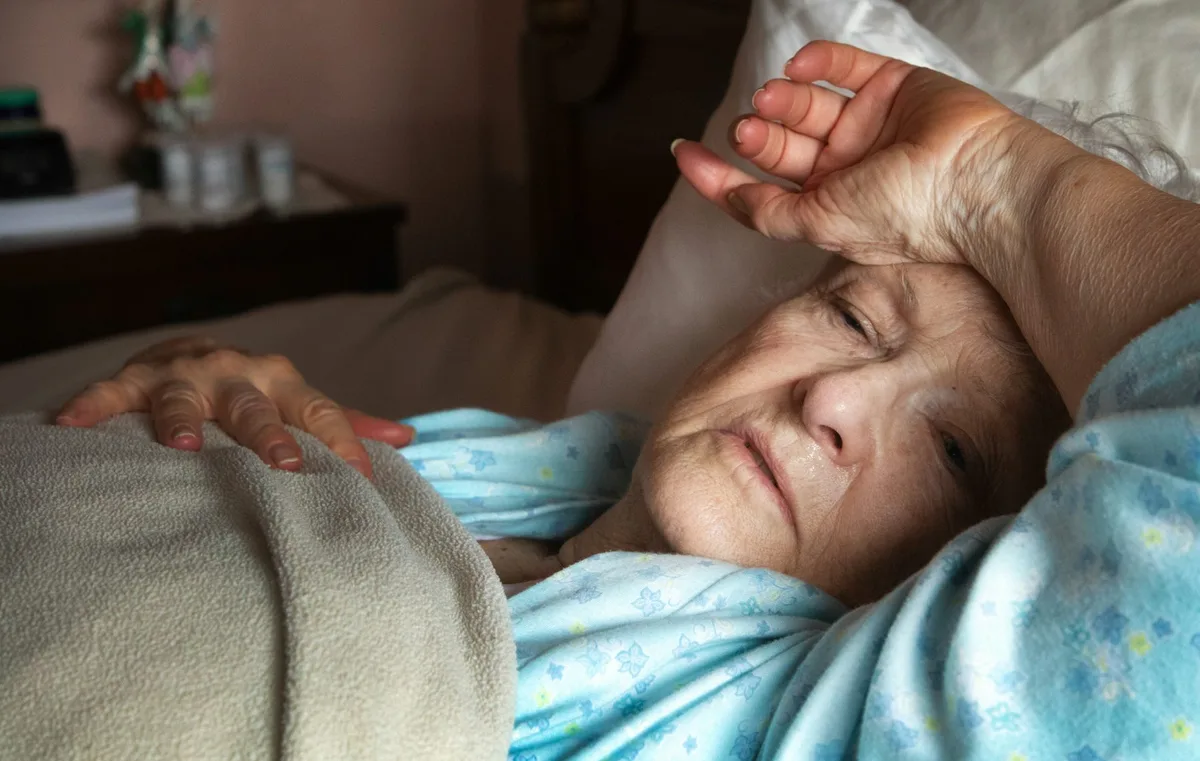
NicolasMcComber/Getty Images If you’re aged over 70, or over 50 with underlying health conditions, and have tested positive for COVID, you might have been offered free or subsidised antivirals .

Earlier in the pandemic, these medicines were an important way to reduce the chance of people becoming severely ill with COVID, needing to be hospitalised, or dying.

But our new research suggests that with high levels of vaccination and immunity from previous infections, COVID antivirals are no longer working as well.

From no treatment to an effective one When SARS-CoV-2, the virus that causes COVID, first emerged in late 2019, no treatment was available.

Existing influenza antivirals, which had been stockpiled by governments, were ineffective and couldn’t be used.

Scientists rapidly tried to figure out which existing or new drugs could be used.

In 2021, two industry-sponsored clinical trials reported promising results.

One was for nirmatrelvir-ritonavir (Paxlovid), which reported an 89% reduction in severe illness.

The other was a trial of molnupiravir (Lagevrio), which reported a 30% reduction.

Paxlovid and Lagevrio work by stopping SARS-CoV-2 from replicating.

So they need to be taken early in the course of illness – within five days – to be effective.

Both drugs became available in Australia and were listed on the Pharmaceutical Benefits Scheme (PBS) in early and mid-2022.

This ensured people most at risk of severe illness had access to drugs at low or no cost.

Paxlovid and Lagevrio are expensive.

Read the full article on The Conversation Australia ›

5News aggregated this summary from the outlet’s public feed. The full article, with all the context, is on theconversation.com — the content belongs to The Conversation Australia.


More from The Conversation Australia

See all ›

More in Science

See all ›


