Some parents want to see primary schools go ‘device free’. There could be unintended consequences
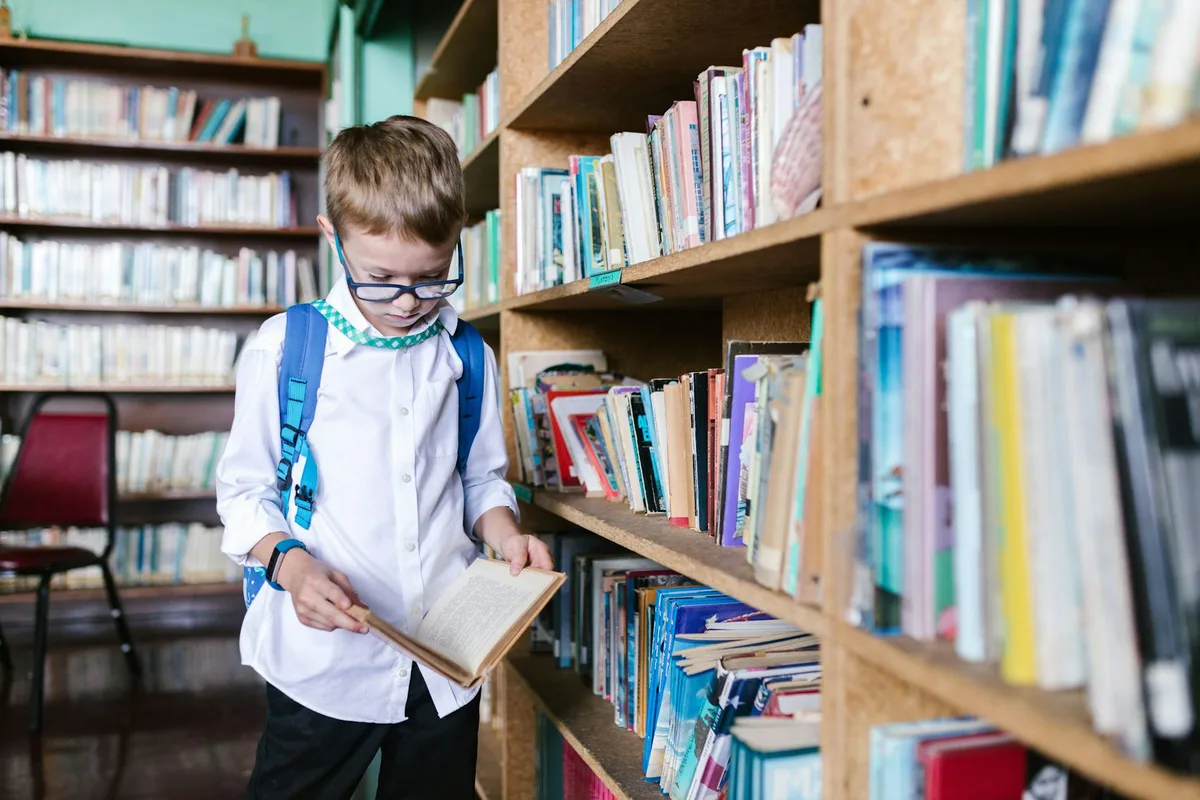
RDNE Stock Project/ Pexels Some Australian parents are pushing for a return to “pen-and-paper learning” amid concerns about children’s attention spans and academic achievement .
An online petition calling for primary schools to be “device free” has collected more than 24,000 signatures.
Political leaders are also starting to express concerns about the amount of screen use in schools and an over reliance on artificial intelligence (AI) for learning.
Federal Education Minister Jason Clare has backed a “ digital detox ” in classrooms.
This follows some states, such as Victoria , setting up time limits on screen use during the school day.
But before supporting blanket restrictions on screens in classrooms, parents should pause.
Is there is evidence to show that limiting screens in schools will benefit children? Could there be unintended consequences? Read more: Education ministers are worried about technology use in schools.
Should they be? Anxiety about anxiety There is no shortage of concerns about what screen use can do to young brains.
Prominent advocates for screen restrictions in children’s lives – such as US psychologist Jonathan Haidt – claim screens are the cause of rising mental illness in young people.
But the research debate is not settled here.
Other psychologists have argued there is no clear evidence to show screens are the direct cause.
Children’s lives are changing in many ways at the same time, making it difficult to isolate the effect of screens from other social, educational and economic factors.
The research evidence on the broad academic impacts of screen use in schools is also mixed.
Some research shows writing with pens and paper and reading physical books can benefit students .
5News aggregated this summary from the outlet’s public feed. The full article, with all the context, is on theconversation.com — the content belongs to The Conversation Australia.





