Saturday 17 October 2026 SourcesAbout🌓
🇦🇺 AU ▾
BREAKING
› New clues emerge in hunt for gunman after Wollert underworld execution as neighbours fear releasing CCTV› Wallaroos not content with simply being 'better versions' of themselves› With a fall and a horse’s death, this day at Caulfield became racing’s worst nightmare› ‘Happiest he’s been in a long time’: Telethon stars bring joy to PCH patients ahead of broadcast› Farke defends under-fire Carrick, Manchester City in action, Premier League buildup, and more – matchday live› Kangaroos halfback's World Cup ends with calf muscle injury› Telethon 2026: Perth mother Pamela Campbell brings room to tears sharing grief of losing son to rare leukaemia› Assistant Treasurer Daniel Mulino defends housing tax changes amid property market downturn | The Issue› Premier League schedule today: How to watch, TV channels & live stream› Kids just want to belong› New clues emerge in hunt for gunman after Wollert underworld execution as neighbours fear releasing CCTV› Wallaroos not content with simply being 'better versions' of themselves› With a fall and a horse’s death, this day at Caulfield became racing’s worst nightmare› ‘Happiest he’s been in a long time’: Telethon stars bring joy to PCH patients ahead of broadcast› Farke defends under-fire Carrick, Manchester City in action, Premier League buildup, and more – matchday live› Kangaroos halfback's World Cup ends with calf muscle injury› Telethon 2026: Perth mother Pamela Campbell brings room to tears sharing grief of losing son to rare leukaemia› Assistant Treasurer Daniel Mulino defends housing tax changes amid property market downturn | The Issue› Premier League schedule today: How to watch, TV channels & live stream› Kids just want to belong
Science

Leaving abusive relationships can be harder for migrant women. Here’s what they need to feel safe
The Conversation Australia ·
Leaving abusive relationships can be harder for migrant women. Here’s what they need to feel safe

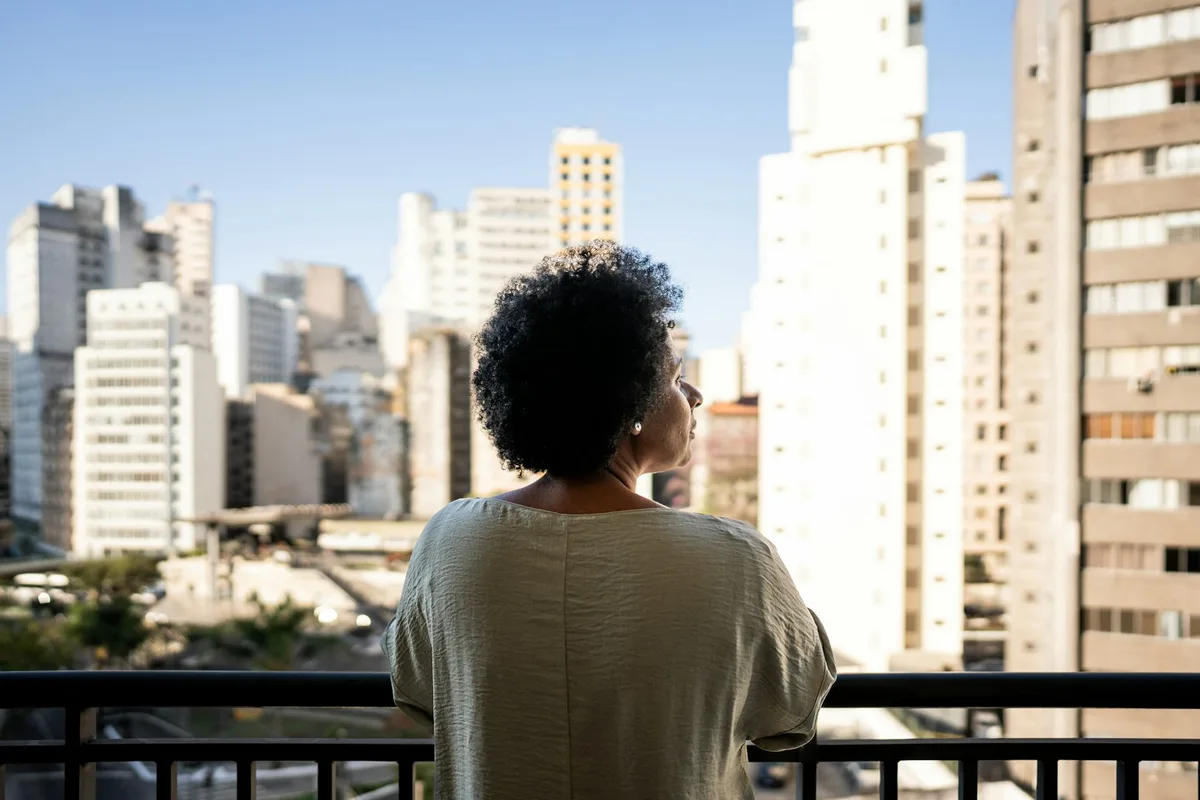
FG Trade/Getty Like many women raised in traditional cultures and religious contexts, I was taught that a “good” woman holds the family together.

In my culture, women were often glorified for quietly accepting hardship.

As a highly educated, financially independent and well-informed professional, admitting I had lived in an abusive relationship for a long time felt shameful and felt like a personal defeat.

Seeking help felt like exposing weakness and vulnerability.

As a researcher in mental wellbeing, I now understand my experience was not unique.

One in four Australian women has experienced violence from an intimate partner since the age of 15.

Women from migrant and refugee backgrounds face an even greater risk .

Official data among migrant and refugee communities in Australia remains limited.

But a 2020 national survey of about 1,400 migrant and refugee women found one in three had experienced domestic violence in the previous five years.

Stigma, financial dependence, fears of social exclusion and community acceptance of abuse can make it much harder for some women to get the support they need.

The hidden face of abuse Intimate partner violence does not always or only involve physical harm.

A less visible but often equally devastating aspect is coercive control.

This involves a pattern of behaviours designed to dominate another person.

It can involve intimidation, surveillance, financial control, emotional abuse, isolation and gradually removing their autonomy.

Read the full article on The Conversation Australia ›

5News aggregated this summary from the outlet’s public feed. The full article, with all the context, is on theconversation.com — the content belongs to The Conversation Australia.


More from The Conversation Australia

See all ›

More in Science

See all ›


