Saturday 17 October 2026 SourcesAbout🌓
🇦🇺 AU ▾
BREAKING
› Selma Blair speaks out after dramatic airport arrest and plane assault allegations: ‘Much more to this story’› Caulfield Cup and The Everest LIVE: Record favourite toppled in the $20 million Everest; Caulfield Cup minutes away› Bledisloe Cup LIVE updates: Ugly for Wallabies as All Blacks run riot› Ground zero: America’s heartland hit by the fallout of Trump’s bomb› Fantastic four for flying winger Naomi Kelly as PNG hammer France in World Cup opener› Tempted upsets Ka Ying Rising to claim Everest› Australia v New Zealand: Bledisloe Cup rugby union international – live› Aussie star Mitchell Moses ruled out of World Cup as new face Ethan Strange joins squad› Another positive step for Simmons in NBA comeback› Crows snap Suns' winning run to climb into AFLW finals spots› Selma Blair speaks out after dramatic airport arrest and plane assault allegations: ‘Much more to this story’› Caulfield Cup and The Everest LIVE: Record favourite toppled in the $20 million Everest; Caulfield Cup minutes away› Bledisloe Cup LIVE updates: Ugly for Wallabies as All Blacks run riot› Ground zero: America’s heartland hit by the fallout of Trump’s bomb› Fantastic four for flying winger Naomi Kelly as PNG hammer France in World Cup opener› Tempted upsets Ka Ying Rising to claim Everest› Australia v New Zealand: Bledisloe Cup rugby union international – live› Aussie star Mitchell Moses ruled out of World Cup as new face Ethan Strange joins squad› Another positive step for Simmons in NBA comeback› Crows snap Suns' winning run to climb into AFLW finals spots
Science

From toxic blooms to dead zones, how wildfires transform oceans and lakes
The Guardian Australia - Science ·
From toxic blooms to dead zones, how wildfires transform oceans and lakes

Wildfire smoke and ash can reshape aquatic ecosystems long after the flames have been extinguished Wildfires are an increasing problem in Europe and elsewhere.

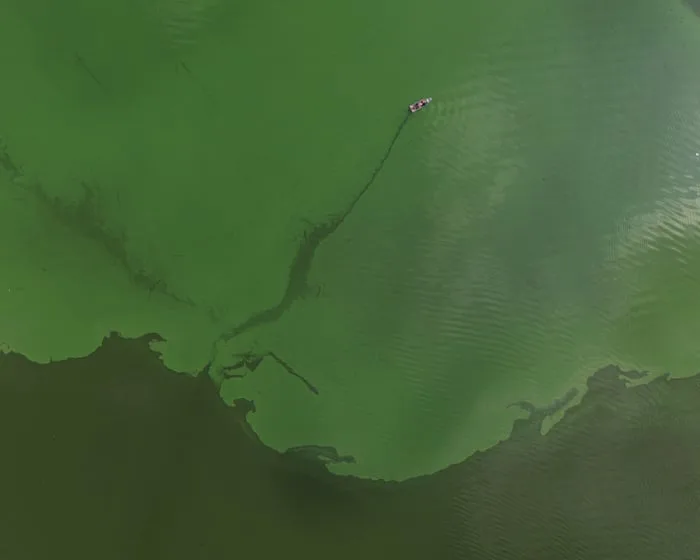
While their immediate effect on air quality is obvious, they can also trigger less visible but significant environmental effects, including algal blooms.

An algal bloom is the rapid growth of algae and other plant-like microorganisms.

These blooms can become so dense that they change the colour of the lake and seas.

Although most are harmless, some produce dangerous toxins.

When their blooms die, their decomposition depletes oxygen in the water, creating so-called dead zones.

Continue reading...

Read the full article on The Guardian Australia - Science ›

5News aggregated this summary from the outlet’s public feed. The full article, with all the context, is on www.theguardian.com — the content belongs to The Guardian Australia - Science.


More from The Guardian Australia - Science

See all ›

More in Science

See all ›