NZ’s invasive pest control needs a new approach – starting with local government reform
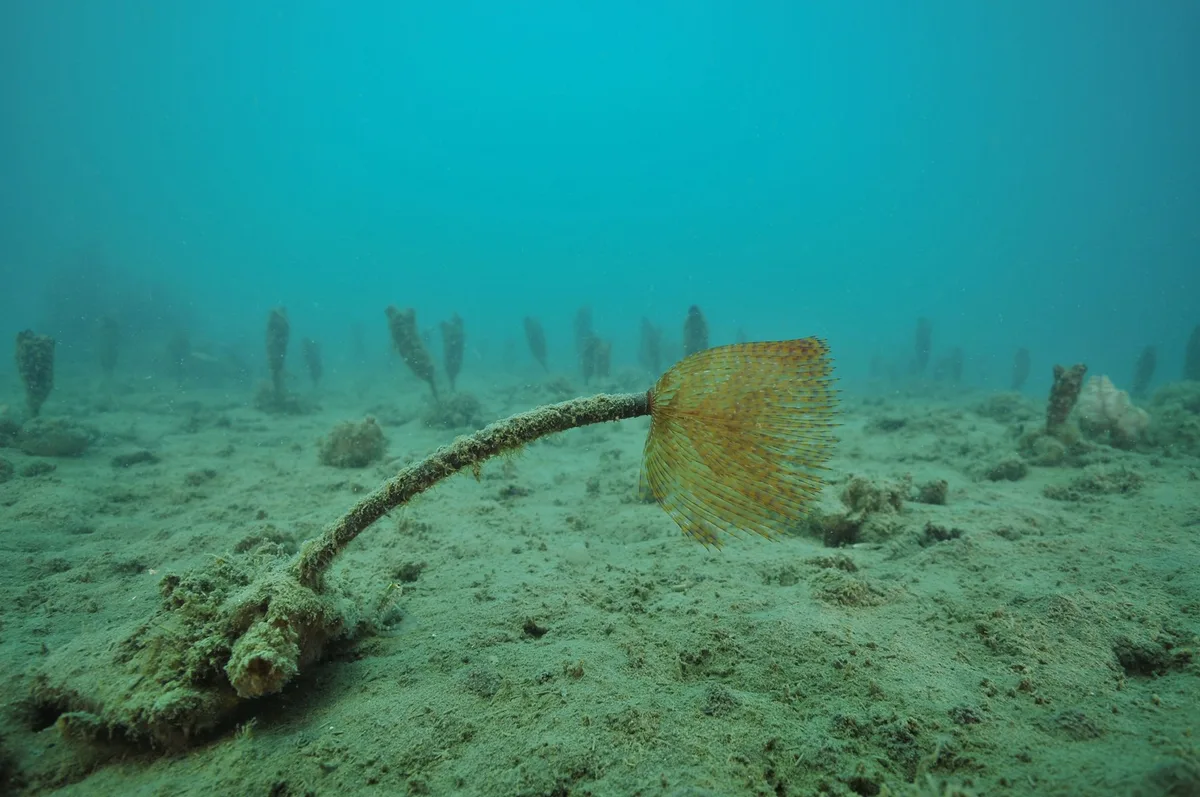
The invasive Mediterranean fanworm. spiderment/Getty Images As Cabinet considers proposals to amalgamate regional authorities as part of its overhaul of local government , much of the discussion has focused on rate increases, roads and water infrastructure.
Almost no one is asking how the reconfiguration will affect New Zealand’s biosecurity system.
This matters because the current system already faces mounting pressures to protect landscapes, farms and coastlines from invasive pests and weeds .
The gold clam invasion is just one recent example.
While it was first discovered in the Waikato River in May 2023, it is believed to have been present for at least two to three years prior.
As a result, by the time it was found, eradication was considered infeasible and it has now spread to Auckland and Taranaki .
I argue local government reform offers a rare opportunity to prepare New Zealand’s biosecurity system for the next wave of pest and weed invasions.
Growing threat from pests and weeds Under the Biosecurity Act , regional councils and unitary authorities are responsible for post-border pest management, with each required to develop its own regional pest management plan.
These statutory documents set out which pests are controlled, how landowners must act, and how programmes are funded.
Implementing these regional pest management plans costs ratepayers upwards of NZ$142 million annually but has been shown to provide a strong economic return on investment .
The system is far from perfect.
Regionalisation has created a patchwork of inconsistent rules and enforcement.
A species tightly controlled in one region may be left entirely unmanaged in the next.
Fragmented databases and isolated reporting systems mean regional bodies often fail to spot spreading threats or coordinate effective responses against pests.
5News aggregated this summary from the outlet’s public feed. The full article, with all the context, is on theconversation.com — the content belongs to The Conversation Australia.