Friday 16 October 2026 SourcesAbout🌓
🇦🇺 AU ▾
BREAKING
› Can this new party win seats off Labor in Melbourne’s neglected western suburbs?› Trump holds Russia and China denuclearisation talks› Hannah Louise Glover changes plea to guilty over ex-girlfriend’s brutal stabbing murder after prison lover’s evidence› Supercars to return to Phillip Island in wake of Motorcycle GP loss› AFLW 2026: West Coast Eagles re-sign coach Daisy Pearce on new two-year deal› 'Just leave': A-League villain fires up at journalist› Shoebridge pressed on what Greens knew after Steele-John investigation ordered› Which horse is expected to win the Caulfield Cup› Tahiti police gather evidence after pro surfer suspended over alleged incident› Jack is about to run a race with no finish line. The goal, to be the last man standing› Can this new party win seats off Labor in Melbourne’s neglected western suburbs?› Trump holds Russia and China denuclearisation talks› Hannah Louise Glover changes plea to guilty over ex-girlfriend’s brutal stabbing murder after prison lover’s evidence› Supercars to return to Phillip Island in wake of Motorcycle GP loss› AFLW 2026: West Coast Eagles re-sign coach Daisy Pearce on new two-year deal› 'Just leave': A-League villain fires up at journalist› Shoebridge pressed on what Greens knew after Steele-John investigation ordered› Which horse is expected to win the Caulfield Cup› Tahiti police gather evidence after pro surfer suspended over alleged incident› Jack is about to run a race with no finish line. The goal, to be the last man standing
Science

‘A tax on being thin’: only high earners make overall savings on food bills from weight-loss drugs
The Guardian Australia - Science ·
‘A tax on being thin’: only high earners make overall savings on food bills from weight-loss drugs

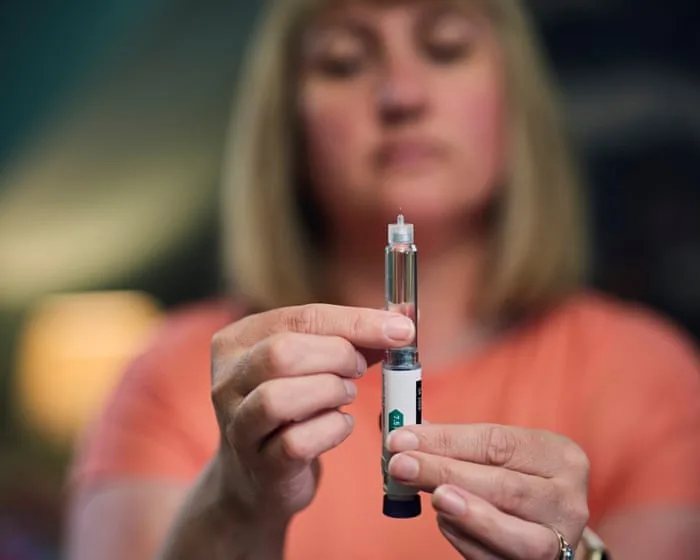
Users need discretionary income of nearly £100,000 a year to make savings on their grocery spend after paying £1,200 for GLP-1s, analysis finds The high cost of weight-loss medication is a “regressive tax on being thin” because the outlay outweighs any saving on food costs for all but the highest earners.

Someone needs to have discretionary income of nearly £100,000 a year to actually save money after covering the £1,200 annual cost of GLP-1 medication, according to an analysis by the consultancy Baringa.

Continue reading...

Read the full article on The Guardian Australia - Science ›

5News aggregated this summary from the outlet’s public feed. The full article, with all the context, is on www.theguardian.com — the content belongs to The Guardian Australia - Science.


More from The Guardian Australia - Science

See all ›

More in Science

See all ›