Chinese vehicle brands see sales jump 72% in South Africa
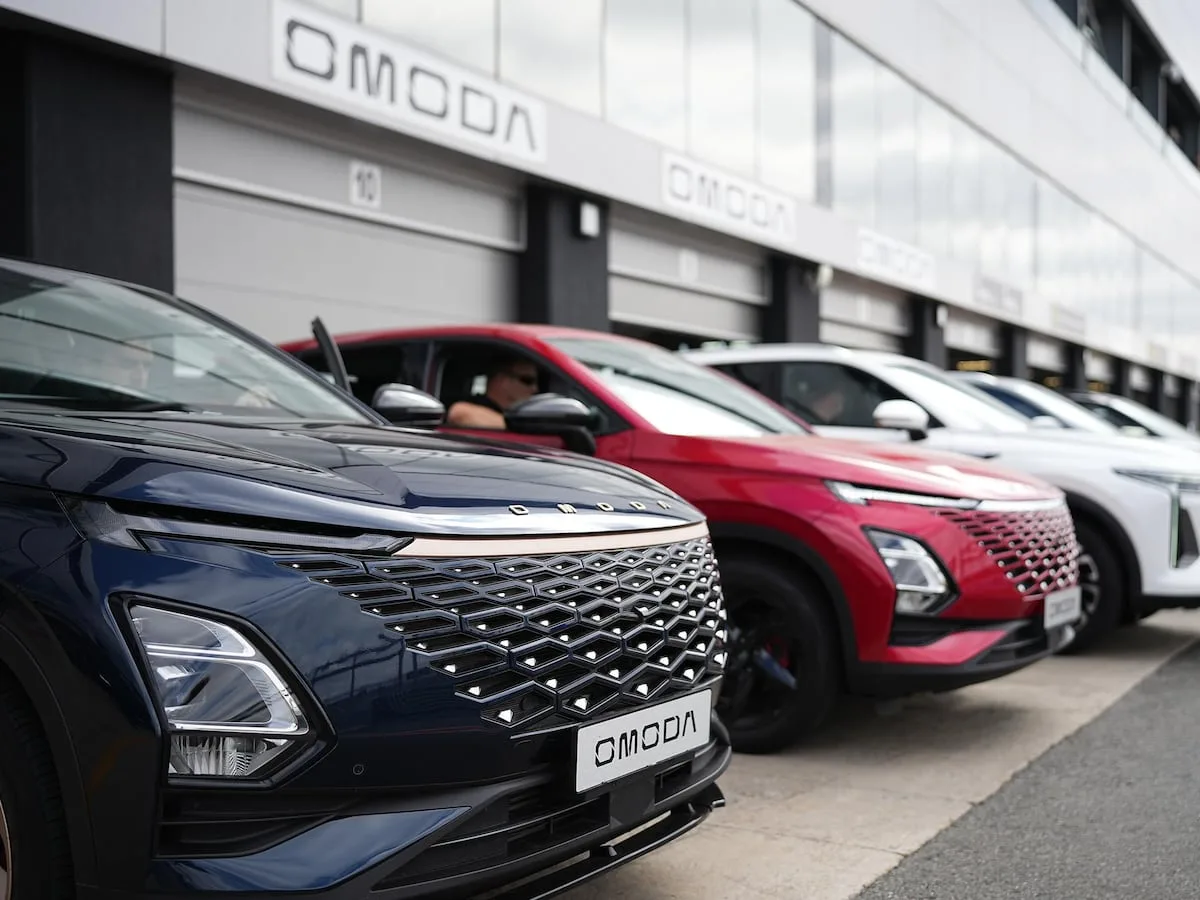
Chinese vehicle brands are rapidly gaining ground in South Africa, with their sales rising 72% year-on-year in the second quarter of 2026, compared with just 3% growth for traditional manufacturers.
Chinese brands now account for roughly 22% of the market, while their share of SUV finance applications has more than doubled since 2023, rising from 19% to 40%, according to Absa Vehicle and Asset Finance.
The figures are among the key findings of the Cars.co.za industry report 2026, which combines data from the vehicle marketplace, an exclusive survey of more than 2,000 car shoppers, TransUnion credit and affordability data, and Absa’s analysis of 2.56-million finance applications.
The report says South Africa has a resilient vehicle market increasingly shaped by affordability pressures and changing consumer preferences.
July 2026 new passenger vehicle sales reached their highest monthly level since September 2014. However, consumer affordability is becoming a bigger constraint, with interest rates at 7%, financial optimism falling from 71% to 66% and 53% of consumers cutting discretionary spending, said the report.
Price has emerged as the most important consideration for vehicle shoppers, cited by 70.8% of respondents to the survey, followed by fuel efficiency at 52.5%.
The traditional Big Four — Ford, Toyota, Nissan and Isuzu — have seen their combined share of bakkie finance applications fall from 84% to 75% over three years
Social media is the leading source of vehicle discovery, but once shoppers have narrowed their choices, test drives and written reviews become more influential. Most respondents said the country in which a vehicle is manufactured makes no difference to their purchasing decision.
New energy vehicles are gaining ground, though they remain a niche part of the car market. Hybrid vehicles accounted for 1.74% of Cars.co.za listings in 2026, up from just 0.14% in 2020.
Electric vehicle (EV) buyers also have significantly higher incomes, with a median income of R115,000 compared with R73,000 for buyers of internal-combustion vehicles. Chinese brand BYD dominates EV finance applications, accounting for 61% of those recorded by Absa.
The bakkie market is also changing. Double cabs now make up 58.5% of light commercial vehicle stock, up from 49% in 2020, and account for 65% of Absa bakkie finance applications.
The traditional Big Four — Ford, Toyota, Nissan and Isuzu — have seen their combined share of bakkie finance applications fall from 84% to 75% over three years. The decline has largely been driven by Nissan’s loss of market share.
The report also identifies a shift in what consumers regard as a status symbol. German luxury brands are losing consideration among status-conscious buyers, while Ford and particularly Toyota are gaining ground.
The Ford Ranger and Toyota Land Cruiser increasingly feature among the vehicles considered by shoppers who would previously have focused on German luxury brands.
5News aggregated this summary from the outlet’s public feed. The full article, with all the context, is on www.sowetanlive.co.za — the content belongs to Sowetan.