Toilet paper becomes a kitchen table issue for Trump again as Canada’s retaliatory tariffs could spell another shortage
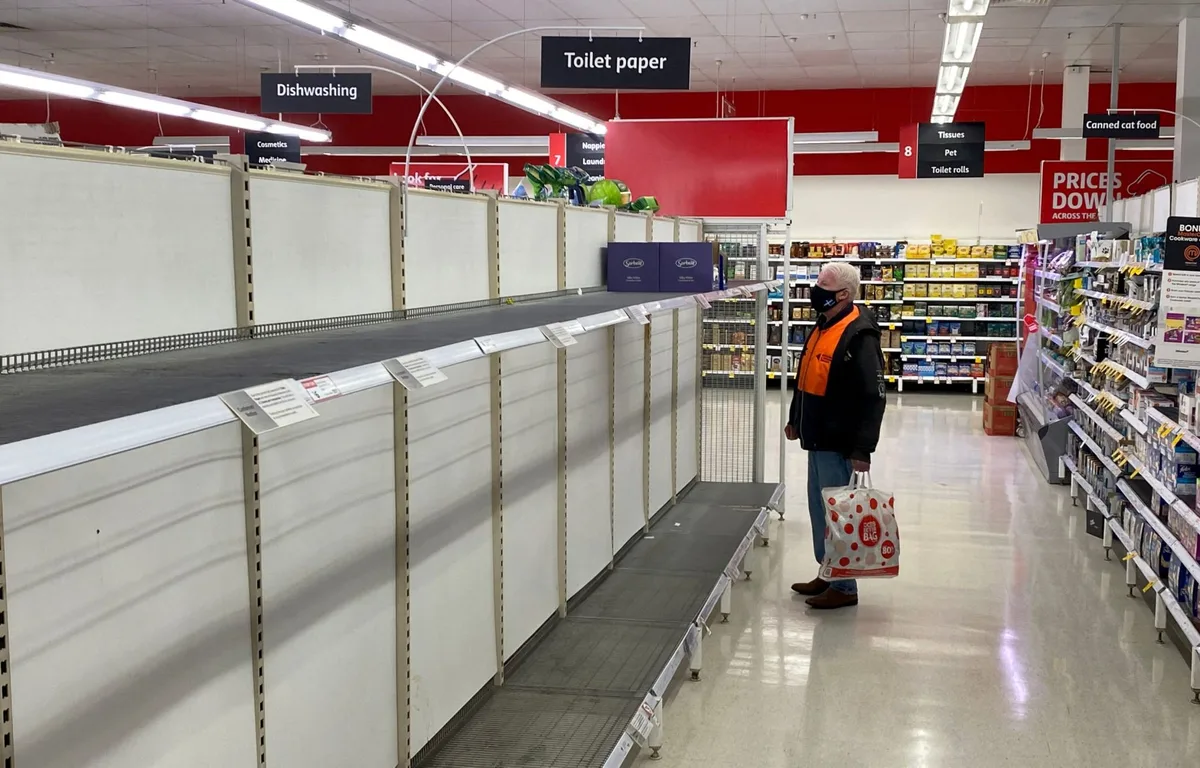
It seems like so long ago, but in the not-so-distant past, all of us were roaming the supermarket aisles for the last roll of TP , cursing at those who began stockpiling the rolls, and blaming the relative who brought a bidet back from Japan for not bringing one back for you as well.
While the days of reaching for the last TP under a “limit one roll per customer” sign shoddily taped to the rack may be over, the thought of a shortage possibly returning to haunt the same president six years later isn’t far-fetched.
After trade talks between the U.S. and Canada broke down in late August, Washington imposed a 50% tariff on roughly $20 billion of Canadian goods under a section of the Tariff Act of 1930—a Depression-era law that lets the president retaliate against countries seen as discriminating against U.S. commerce.
In response, Canadian Prime Minister Mark Carney vowed to match the US “dollar for dollar,” and unveiled retaliatory tariffs on close to 900 American products, set to take effect next week, on Sept.
8.
Chief among them? Toilet paper and paper products.
“Canada will match those tariffs dollar for dollar,” Carney said two weeks ago.
“Because we were attacked.
Like, you’re at war when you get attacked.” Paper goods are among the hardest hit.
Canada’s retaliation puts a 25% duty on U.S. toilet paper and facial tissue, and a 50% duty on paper towels, napkins, and raw wood pulp.
Canada is also charging 50% on American dairy products (except cheese, which gets 25%) and 25% on American fish and seafood, including frozen lobster.
It’s in response to U.S. tariffs, including a 25% tariff on Canadian cars and auto parts—and Trump is now threatening to double that to 50% if no deal is reached by Jan.
1, 2027.
A Covid-era toilet paper shortage On March 12, 2020, U.S. toilet paper sales surged 734% compared with the same day the year before, making it the top-selling grocery item that day.
5News aggregated this summary from the outlet’s public feed. The full article, with all the context, is on fortune.com — the content belongs to Fortune.