The Limits of Yayoi Kusama’s Infinity
Years before the polka-dotted pumpkins, before the Instagrammable Infinity Mirror Rooms, Yayoi Kusama made art that was charged with oppositional energy.
Her performances, in which she painted dots onto the naked bodies of her collaborators, were an expression of ’60s counterculture.
They were protests against the Vietnam War, rebukes to the art market.
Her Accumulations—soft sculptures of furniture or common household items covered in stuffed, handsewn penis shapes—were hilarious critiques of phallocentrism and early examples of feminist art.
Kusama was, in other words, part of the artistic avant-garde.
Her death, at 97, is a cold reminder that the avant-garde no longer exists.
You could point to Andy Warhol, Jeff Koons, Takashi Murakami, or Keith Haring, but in many ways, no one epitomizes the collapse of the avant-garde more vividly than Kusama.
I’m mostly a fan of her work.
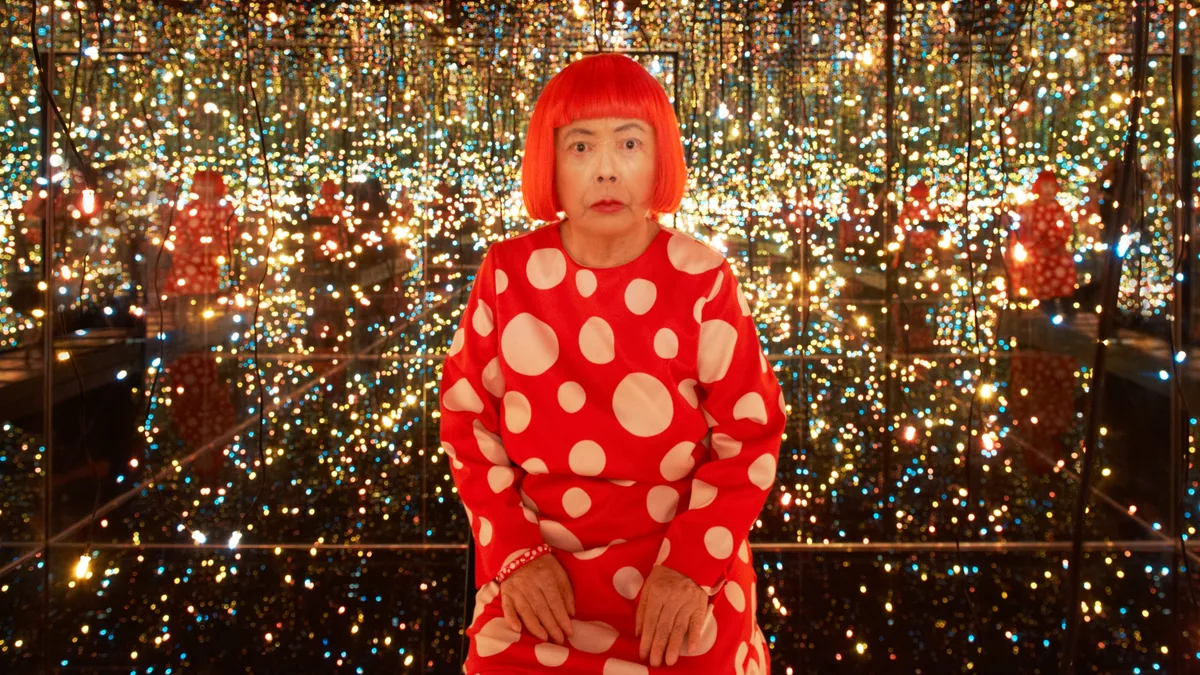
It’s very hard not to like her Infinity Mirror Room installations and playful gourds, and not to smile when you see Kusama’s endearing face framed by her signature brightly colored bobbed wig.
But at a certain point, you can’t help but feel that she stopped being an artist and chose instead to become a highly profitable brand.
In death as in life, her name bestrides a tightly managed, commercially successful global enterprise with diverse revenue streams, including high-profile partnerships with luxury labels, licensed merchandise, and strictly managed intellectual-property protection.
Kusama’s large-scale sculptures and immersive installations break attendance records at museums and galleries around the world, and her works regularly set records at auction.
In her final years, she was one of the world’s top-selling contemporary artists.
Decades before all of that, though, Kusama was a creative maverick.
5News aggregated this summary from the outlet’s public feed. The full article, with all the context, is on www.theatlantic.com — the content belongs to The Atlantic.