For his latest tariffs, Trump used a statute so obscure many lawyers didn’t even know it still existed. ‘This law is literally a blank canvas’
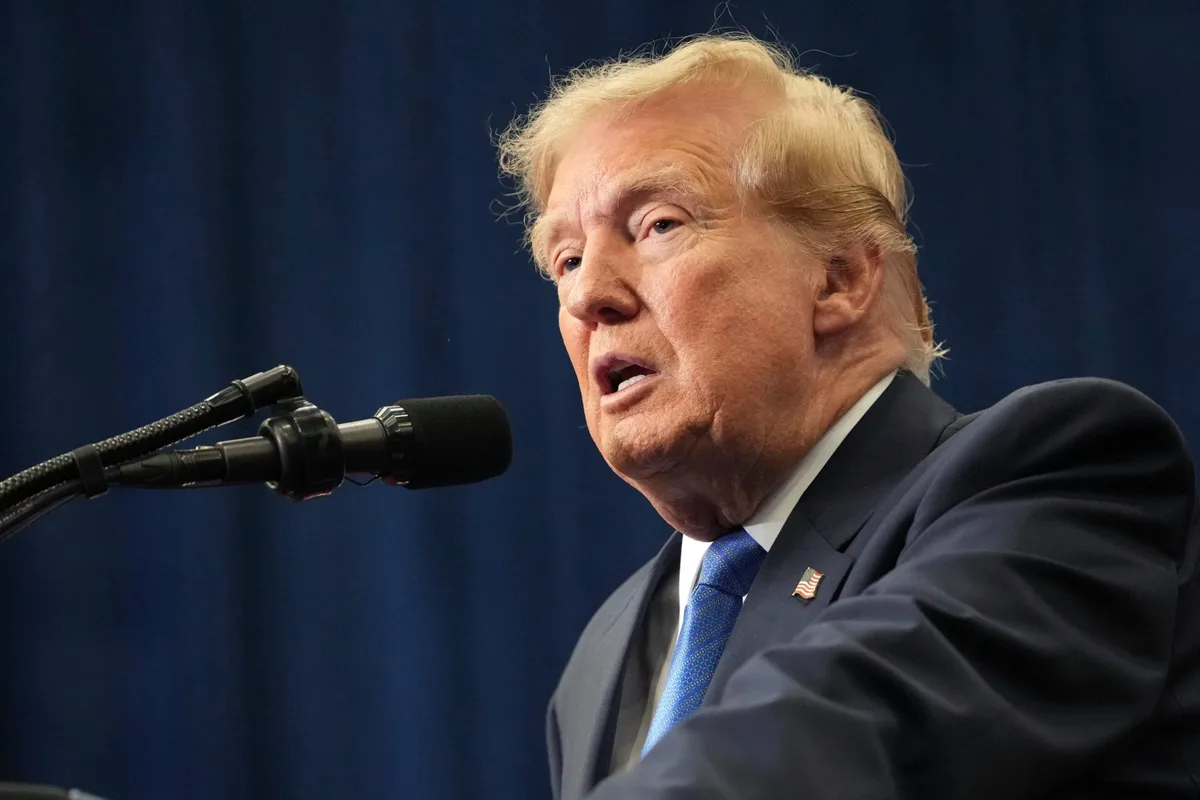
In firing up a trade war with Canada, President Donald Trump turned to a 96-year-old statute so obscure that many trade lawyers didn’t even know it was still on the books.
A week ago, Trump invoked Section 338 of the Tariff Act of 1930 to slap a 50% tax on $20 billion worth of Canadian imports.
The move prompted dollar-for-dollar retaliation from Ottawa and strained already-tense relations between the neighbors and longtime allies.
The president’s Section 338 tariff authority has never been used, let alone tested in court.
“This law is literally a blank canvas because it’s never been litigated,’’ said Ryan Majerus, a partner at King & Spalding and a former U.S. trade official.
So it’s unclear whether Trump’s latest Canada tariffs could survive a legal challenge, and some lawyers argue that the Depression-era law has been rendered obsolete by more recent trade laws.
Trump raises Section 338 from the dead To sanction Canada for allegedly discriminating against U.S. dairy, auto and alcoholic beverage exports this summer, the Trump administration reached back to the Great Depression.
The 1930 tariff legislation is known as the Smoot-Hawley Act after its congressional sponsors.
With the U.S. and world economies in collapse, Congress raised tariffs on hundreds of imports in an attempt to protect American farmers and manufacturers.
The tariffs are notorious among economists and historians for shutting down world commerce and making the Great Depression worse. (Trump, who proudly calls himself “Tariff Man,’’ has a different view , arguing that the Smoot-Hawley levies simply came too late to rescue the American economy.) In addition to raising tariffs themselves, lawmakers in 1930 gave the president new power to impose them himself: Section 338 authorizes presidential tariffs of up to 50% on imports from countries that have discriminated against U.S. businesses.
Before Trump, no president had actually used the statute.
“Until Trump’s second term, few trade lawyers were aware that Section 338 remained on the books or understood what it did,” legal scholars Peter Harrell and Jennifer Hillman of Georgetown University wrote earlier this month in the libertarian magazine Reason.
They cite State Department records to show that the U.S. considered using Section 338 in trade disputes – against Spain in 1932 and against newly Communist China in 1949 – but never did.
After the Depression, U.S. policy focused more on using negotiations — rather than sanctions — to open foreign markets.
5News aggregated this summary from the outlet’s public feed. The full article, with all the context, is on fortune.com — the content belongs to Fortune.