How Should You Prepare For A Super El Niño?
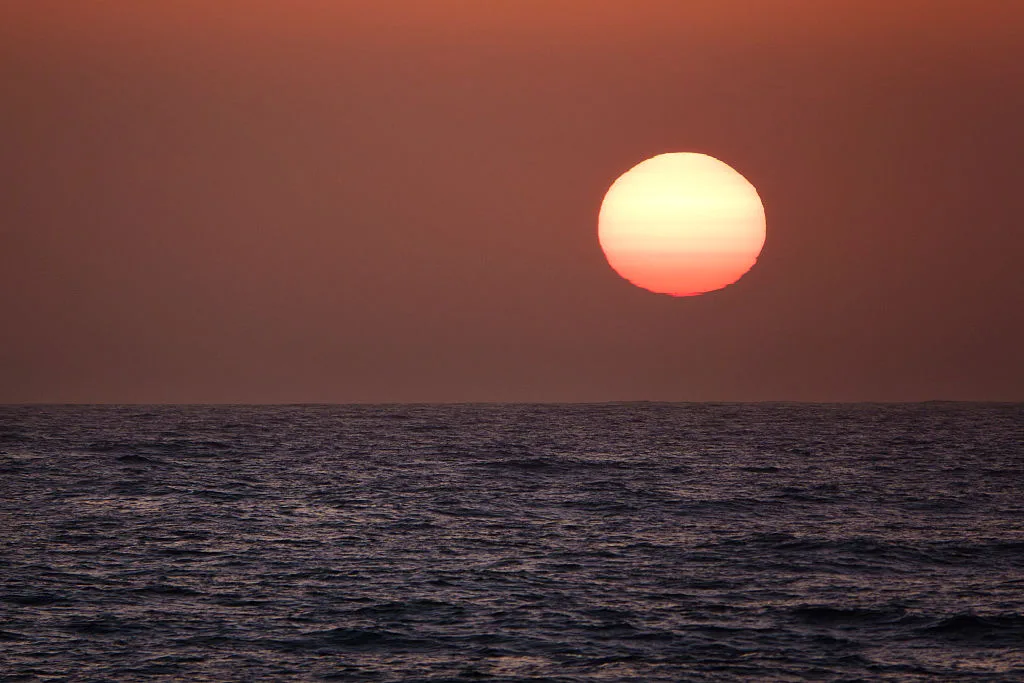
The sun sets on horizon of the Pacific Ocean off the coast of La Jolla during a summer heat wave on Aug.
29, 2026 in San Diego, Calif.
The ocean temperature in the region is among the warmest ever recorded for this time of year while a strengthening El Niño is developing. —Kevin Carter—Getty Images El Niño is here, threatening to bring warmer global temperatures as it strengthens over the Pacific Ocean.
“This El Niño could be a record setting event,” says Erin Coughlan de Perez, associate professor of climate science at Tufts University.
Forecasts are anticipating it might be the strongest in living memory —but the impact will likely vary depending on where you’re located.
Here’s what to expect, and how you can prepare.
Read more: How El Niño May Test the Limits of Our Climate Knowledge What weather can we expect El Niño to bring? El Niño began forming in the early summer and is expected to last into 2027, reaching its peak strength in the last two months of 2026.
The impact it has will vary.
Forecasts predict that the system will bring drought conditions to southern Africa, southeast Asia, and the northern parts of South America, while parts of East Africa and the southern U.S. might see stormier weather and flooding.
An El Niño event increases global temperatures, which, coupled with rising temperatures fueled by climate change, means 2027 could shape up to be the warmest year on record, if predictions hold true.
The impact will be felt around the world.
“El Nino impacts millions of people's lives in terms of increasing the likelihood of above or below normal rainfall in some areas, which has impacts on agriculture production, crop yields, logistics, and transportation,” says Andrew Kruczkiewicz, senior researcher at the International Research Institute for Climate and Society at Columbia University.
How will El Niño impact the U.S.? In the U.S., El Niño often brings a warmer than usual winter to the northern U.S., and a wetter, cooler winter in the south, with a higher likelihood for rain and snow.
“Much of the South, particularly the Southeast U.S. can expect to see wetter and likely cooler weather during those cool months into the late fall through the early spring,” says Emily Powell, Florida state climatologist at Florida State University, who notes that El Niño also brings increased risk for severe weather, including tornadoes to the area.
5News aggregated this summary from the outlet’s public feed. The full article, with all the context, is on time.com — the content belongs to TIME.