The Strait of Hormuz crisis threatened Asia’s oil and gas lifeline. Here’s how the region is rewriting its energy playbook
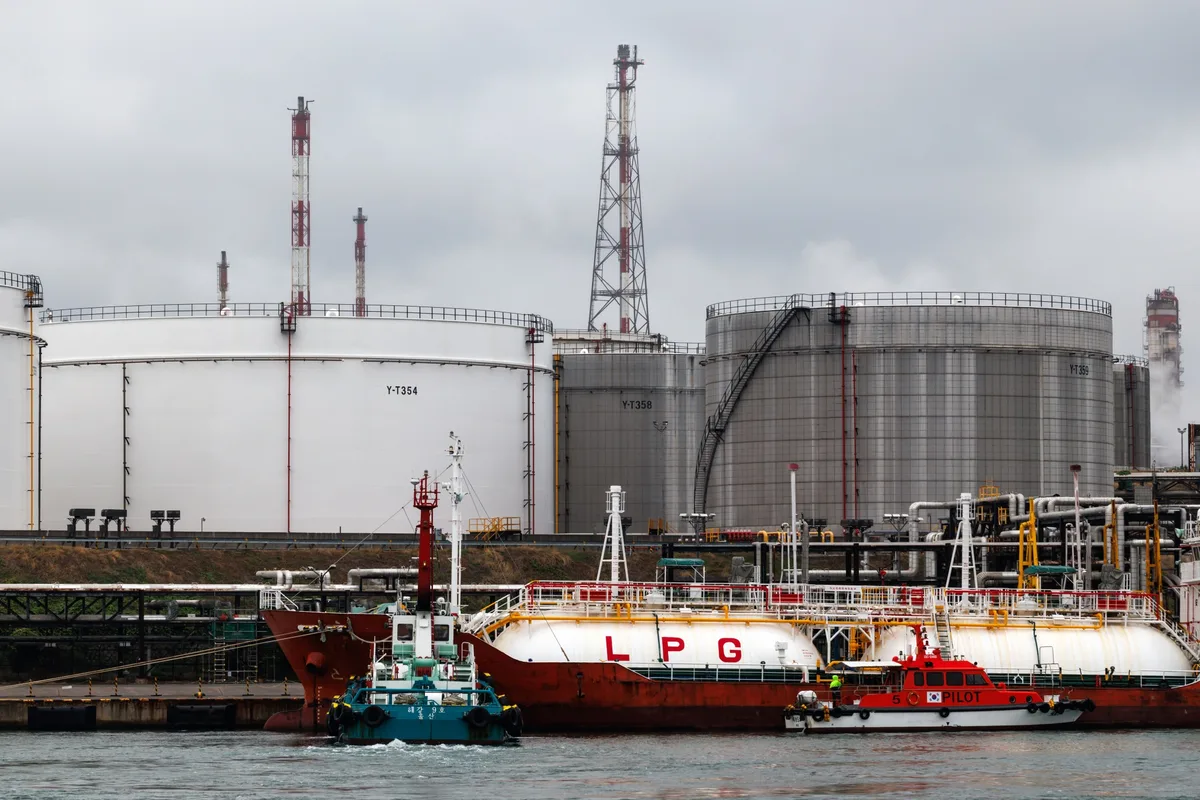
The Iran war exposed just how much the world relied on a narrow 20-mile-wide waterway .
Soon after the U.S. launched strikes on Iran, the latter threatened to strike ships trying to traverse the Strait of Hormuz, the channel for much of the Middle East’s oil and gas exports.
The threat of shortages pushed countries across Asia to impose export bans, cut import duties, and start rationing fuel to maintain supplies.
Six months since the onset of the war, doomsday scenarios —price spikes, long lines at gas stations, power outages, and grounded flights—haven’t quite come to fruition, as increased production and hefty stockpiles blunted some of the damage.
It seems that normality, in some form, could be returning to the Strait.
On Wednesday, Iran announced a new revenue-sharing agreement over the waterway, though a military spokesperson blamed the U.S. for “obstructing this process.” Yet the revelation of how easy it was for Iran to block, and continue blocking, one of the world’s most important waterways is pushing governments to diversify their sources of energy.
And now, with the prospect of a U.S.-Iran deal in the near-term on life support and Iranian control of Hormuz now looking secure for years to come, what previously saved the global oil market in the first half of the year might not work for a second time.
“Global oil and gas supply is still a major point of geopolitical leverage,” says Saul Kavonic, head of energy research at MST Financial.
“Notwithstanding the rise of alternative and green technologies over the past decade, the global economy is still very reliant on oil and gas.” “Hostile actors can threaten that for their geopolitical ends.” A ‘big wake up call’ Before the war, roughly a fifth of the world’s oil trade passed through the Strait of Hormuz, which sits between Iran and Oman.
More than 80% of that cargo was bound for Asia, primarily China, India, Japan, and South Korea.
“Before this crisis many market observers would have told you it would be impossible to block or completely close the Strait of Hormuz, because a country like Iran did not have the capabilities.
They tried in the 1980s, but they did not succeed,” says Carole Nakhle, CEO at Crystol Energy, an energy consultancy.
Yet the conflict has shown “how easy and inexpensive it has become to threaten very expensive energy infrastructure,” she added, with relatively cheap drones capable of putting refineries, pipelines, ports, and other multibillion-dollar facilities at risk.
“This has been the big wake-up call for the entire global energy industry.
5News aggregated this summary from the outlet’s public feed. The full article, with all the context, is on fortune.com — the content belongs to Fortune.