Trump’s bizarre new transit plan could hurt the families who need it most
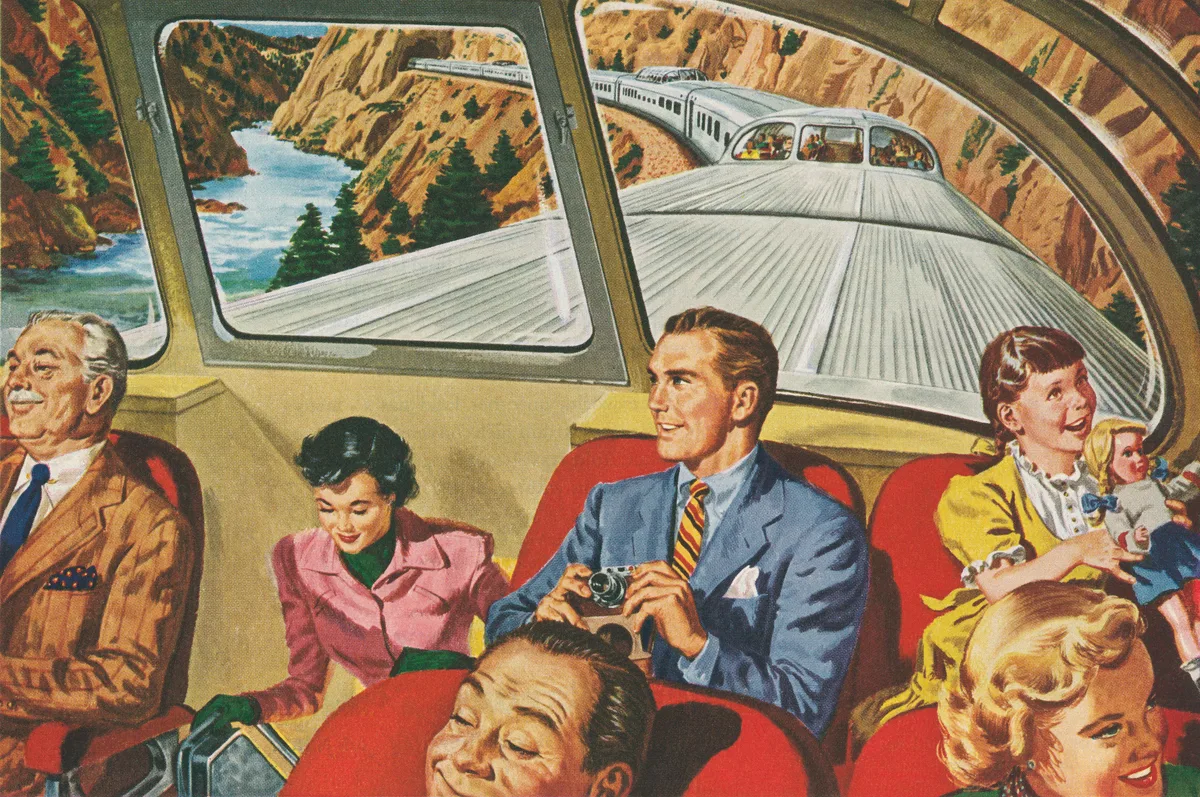
The Trump administration’s transit policies won’t “make travel family-friendly again” in the ways that matter most. | GraphicaArtis/Getty Images “We should look for love!” Transportation Secretary Sean Duffy bellowed while flanked by his nine children at the Great American State Fair in June: “Get married, and have lots of kids!” In a brazen attempt to make Duffy’s ethos a matter of policy, the Trump administration announced a strange new plan earlier this month tying a huge tranche of federal funding for public transit to high fertility and marriage rates .
If the plan goes into effect, then communities with a high number of traditional nuclear families could get a 10 percent funding boost to build new trains, bus routes, and ferry lines.
“If you want federal funding,” Duffy’s Transportation Department said in a statement , then “your project needs to align with where communities and families are actually growing.” Trump, who has dubbed himself the “ fertilization president ,” and his bevvy of neopatriarchal trad – pilled deputies have long nursed a fixation with the country’s declining birth rate .
But dubious as this new policy may be, it stumbles upon a genuine pain point in the nation’s public transit systems: They are not nearly as family friendly as they should be.
And regardless of whether these discomfitingly pronatalist guidelines ever go into effect as written — and they probably will — they raise important questions about how American families use our transit systems now, and the policies could actually make their lives easier in the long run.
The same woes that affect all riders — long wait times, inaccessible stations, inadequate reach, and crowded rush hours — often doubly affect families.
That’s one reason why so many of them have fled the nation’s densest, most transit-oriented cities in search of suburbs where they need not lug a stroller up yet another broken escalator to reach a subway platform.
Families who can’t afford to trade in their MetroCards and bus passes for minivans may find themselves priced into housing served by especially substandard transit options, funneling them into brutal, hours-long commutes.
According to one landmark study, the single strongest factor in predicting social mobility in the US is neither crime nor test scores nor the presence of “traditional” two-parent households, but access to adequate transportation .
With every extra minute a child spends commuting to school, they become less likely to move out poverty as an adult.
And for that reason alone, American families with kids do deserve special attention when it comes to how and where and why we build public transit.
5News aggregated this summary from the outlet’s public feed. The full article, with all the context, is on www.vox.com — the content belongs to Vox.