Millennial women are tired of being girlbosses
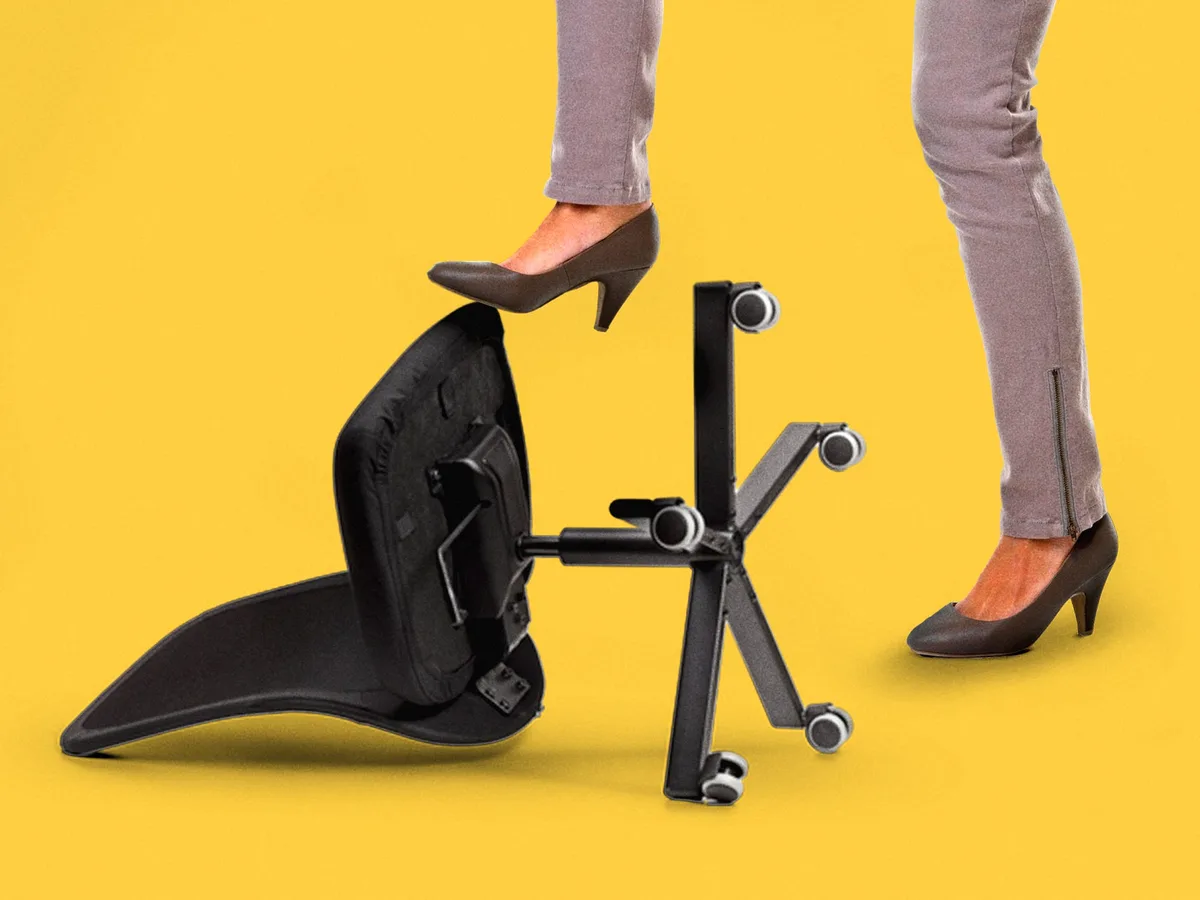
Getty Images; Alyssa Powell/BI After 20 years of balancing her corporate leadership roles with motherhood, Trisha Daab was ready for a break.
"Life had felt like sprinting a marathon for as long as I could remember," Daab, 47, told Business Insider .
"I had no idea how tired I was until I stopped working." In her year off, she tap danced, volunteered at a food bank, traveled to Disneyland and Alaska, and spent more time with her kids.
By the end, she had decided she couldn't go back to her old life.
"My job often demanded that it came first — never-ending to-do lists, urgent emails, travel, and always chasing the next promotion," Daab, who's now a travel writer and substitute teacher, said.
"Stepping away helped me realize my priorities had shifted." Trisha Daab took a year off from her corporate role, then pivoted to jobs that allow for more work-life balance.
Courtesy of Trisha Daab Now in their 30s and 40s, many millennial women are skeptical of corporate and instead becoming business owners, content creators, and mothers, prioritizing more flexible work schedules.
Instead of striving to get to the top, they're inverting Sheryl Sandberg's mantra of the 2010s — and leaning out.
Sandberg, Meta's former COO, told Business Insider that the corporate exodus is due to women feeling undervalued at work.
"This is not the women who are saying, 'I don't want to do it,'" Sandberg, 57, said.
"It's the women saying, 'I don't want to do it because I'm not wanted, I'm not getting the same opportunities and the same support, and I face an unfair burden at home.'" Even Lean In, the organization founded by Sandberg and named after her 2013 bestselling book, is noticing a recent shift in women's ambitions in the workforce.
Sheryl Sandberg coined the phrase "lean in" in 2013, encouraging women to pursue more leadership roles.
Bloomberg/Getty Images According to the organization's 2025 Women in the Workplace report , published in December 2025, which surveyed 9,500 US employees across 124 organizations, women were less likely to say they wanted a promotion compared to men.
This was true when filtered to include only millennials, who made up roughly one-third of participants.
5News aggregated this summary from the outlet’s public feed. The full article, with all the context, is on www.businessinsider.com — the content belongs to Business Insider.