Scientists are finally starting to figure out Alzheimer’s
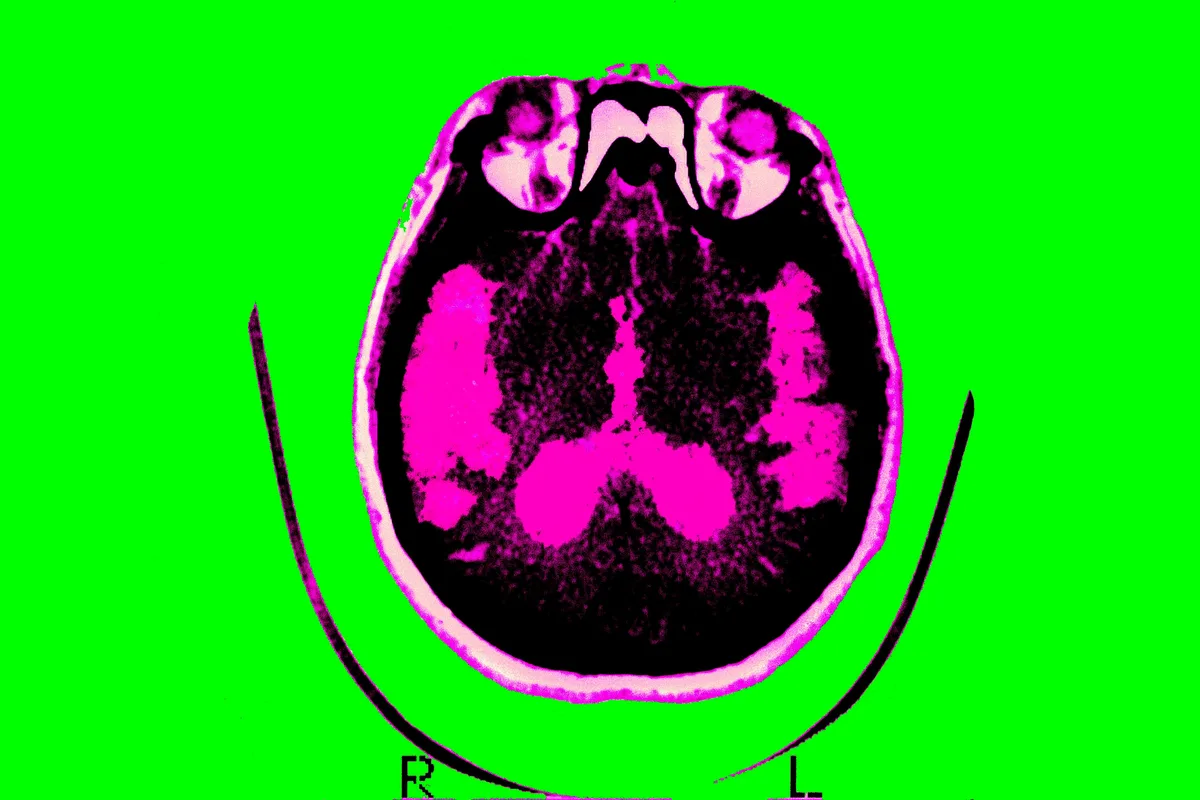
A scan of the brain of a patient affected by Alzheimer's disease. | BSIP/UIG Via Getty Images For decades, research into Alzheimer’s disease has made painfully little progress.
More than 7 million Americans are living with the disease, which is the most common cause of dementia.
It’s incurable, and treatments have been hampered by groupthink, as well as by systemic fraud from some of the field’s most famous researchers .
But there are finally signs that the field is turning a corner, including two new drugs , rolled out in the last few years, that can treat Alzheimer’s directly.
“If somebody walks into a clinic right now and is diagnosed with Alzheimer’s disease,” Vox senior correspondent Dylan Scott tells Today, Explained co-host Sean Rameswaram, the drugs “will hopefully have some effect in slowing down their cognitive decline.” As Scott says, “The drug development pipeline is also starting to look much more robust” — even “revolutionary,” to quote one doctor he spoke with.
The two talk about why researchers are more optimistic than they have been in years, whether GLP-1 drugs might help prevent Alzheimer’s, and an experimental surgery pioneered by doctors in China that has produced striking — but if unproven — reports of improvement in people with the disease.
Below is an excerpt of their conversation, edited for length and clarity.
There’s much more in the full podcast, so listen to Today, Explained wherever you get podcasts, including Apple Podcasts , Pandora , and Spotify .
You mentioned two treatments.
Tell us what they are, Dylan? We have two drugs right now that have been approved by the FDA: lecanemab and donanemab.
And these are drugs that target the amyloid plaque in the brain that scientists have long thought might be associated with the development of Alzheimer’s disease.
The amyloid hypothesis [the belief that Alzheimer’s is caused by the buildup of deleterious amyloid proteins in the brain] has been very controversial for a while, in part because there were these years and years where we weren’t seeing any progress despite this being the dominant hypothesis about the disease.
But we do have these two drugs that in clinical trials have been shown to both clear out the amyloid plaque in somebody’s brain and they do seem to lead to slower cognitive decline for those patients.
And the hope is that this is the ground floor.
5News aggregated this summary from the outlet’s public feed. The full article, with all the context, is on www.vox.com — the content belongs to Vox.