What Android looked like in 2008 vs. today
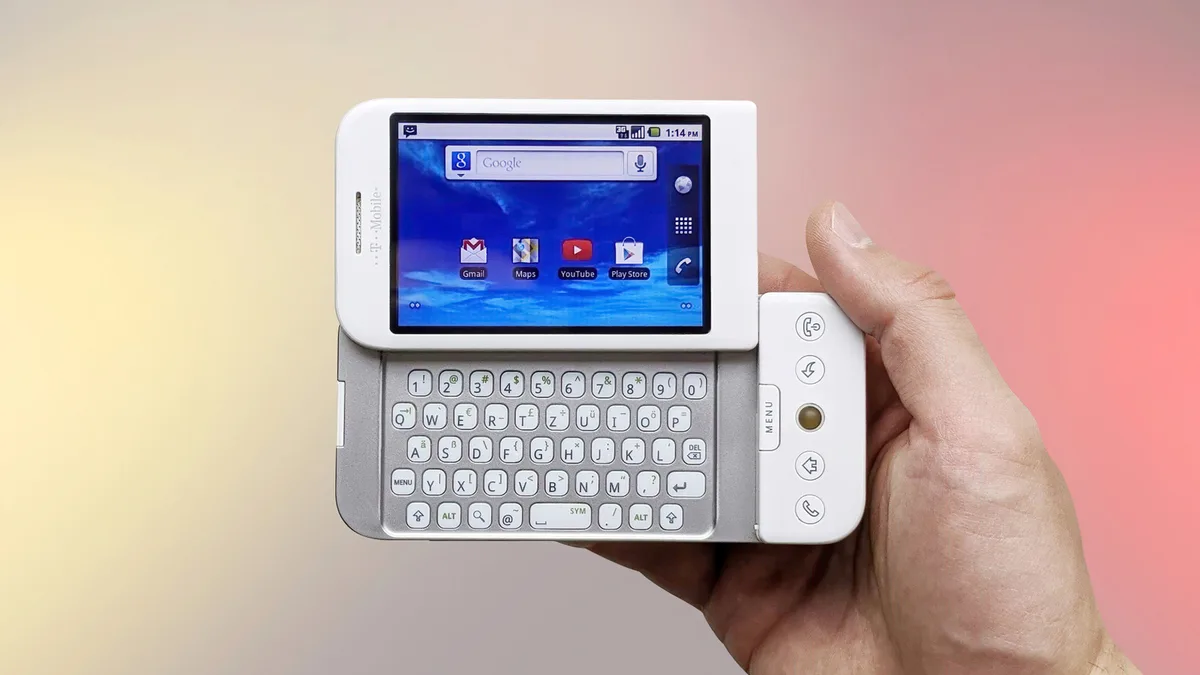
Mr.Mikla/Shutterstock When Android first arrived on the HTC Dream — known stateside as the T-Mobile G1 — the world was a very different place. The year was 2008. MySpace was still popular, Taylor Swift was only just catching her first taste of mainstream success and the cool kids were still snapping their bedazzled Motorola Razr phones shut before slipping them into even-more-bedazzled skinny jeans. As for smartphones, the choice du jour was still a BlackBerry, but change was in the air. Apple launched the iPhone 3GS in June of 2008, its faster data connection finally making it useful without a Wi-Fi signal.
Android knew it had to compete. The Linux-based operating system had been acquired, along with its progenitor, Andy Rubin, in 2005. Google paid $50 million for it, retrospectively one of the best deals in business history, but it arrived at the company's Mountain View offices in dire need of a makeover. Rubin originally envisioned Android as a software platform for cameras when he broke ground on it in 2003, and pivoting into a mobile OS meant making fundamental changes. Internally, Google had set alarms blaring after the iPhone's initial launch in 2007. It scrambled together a consortium of mobile industry giants called the Open Handset Alliance to push its new operating system, hoping a united front could fend off Steve Jobs' crowning achievement.
The T-Mobile G1 arrived on the market not as a confident statement, but as a desperation play, and you could tell. Its hardware was aggressive and overengineered, the polar opposite of Apple's simplistically sleek iPhone design. The phone's distinctive "chin" jutted out from under the slide-away screen, forcing you to awkwardly stretch your thumb over it just to type on the physical QWERTY keyboard underneath.
But none of that mattered. The phone was a proof of concept, a sweaty, nervous gauntlet thrown at the feet of RIM, Microsoft and Apple. Android had arrived, and there would soon be a deluge of handsets running it. Today, it is the most popular operating system in the world, powering more devices than any other. And while it has changed significantly over the years, what's most surprising is how much of it remains more or less the same — after all, never fix what isn't broken.
Joshua Topolsky and Chris Ziegler for Engadget (Google) On a crisp, cool morning in September 2008, the T-Mobile G1 had only been out for a few days, and holding it felt like cradling the future in my palm. It was every bit as ugly as it looked in photos online — a crooked hunk of plastic. You'd never know HTC had sent 50 engineers to live in California and design it with Google. But what it did onscreen was undeniable.
The G1 shipped with Android 1.0 Cupcake and was eventually upgraded to 1.6 Donut.
5News aggregated this summary from the outlet’s public feed. The full article, with all the context, is on www.engadget.com — the content belongs to Engadget.