The Best Way to Respond to Passive-Aggressive Comments
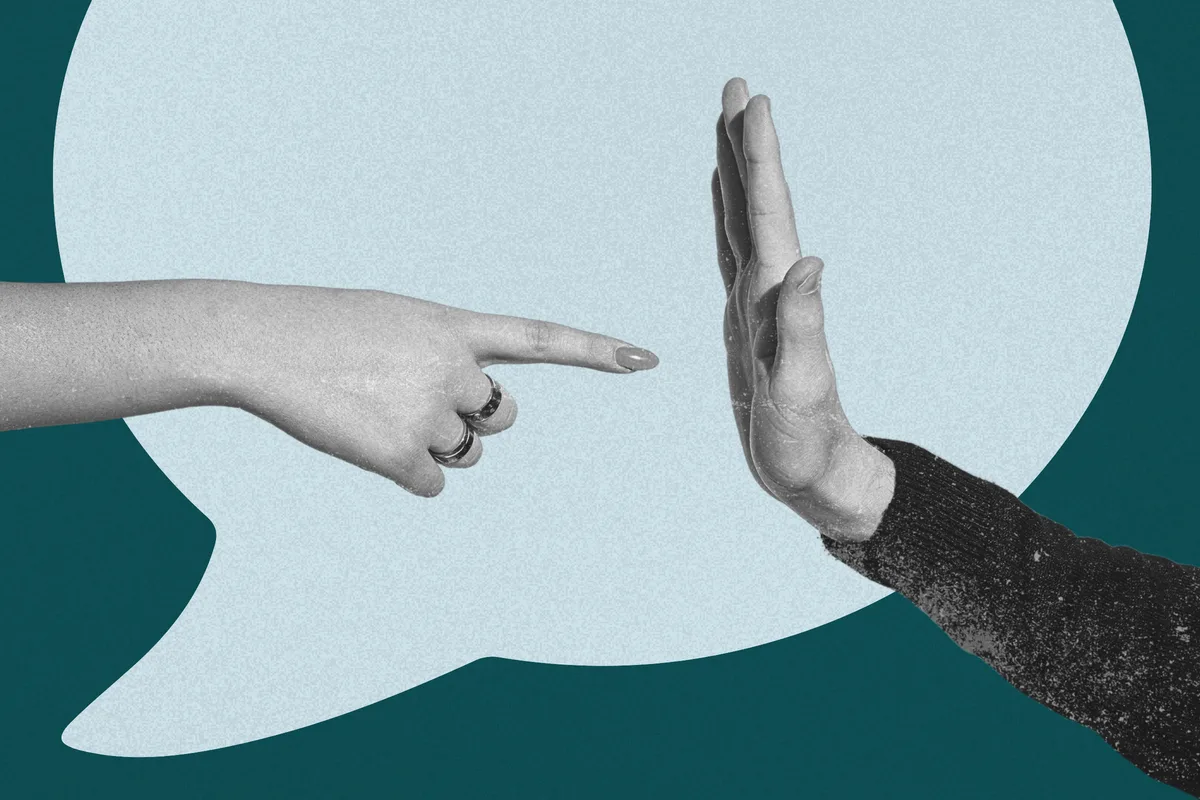
—Photo-Illustration by TIME (Source Image: Francesco Carta fotografo/Getty Images) Have you ever left work at 5 p.m., only for a colleague to not-so-sweetly ask, “Going home already?” If so, you’ve probably been the target of a passive-aggressive comment.
The two halves of the very phrase “passive-aggressive” spell out the familiar dynamic, says Laurie Weingart, a professor of organizational behavior at Carnegie Mellon University who has studied how people express conflict at work .
Someone is expressing opposition or anger —the aggressive part—but doing so indirectly.
The words leave room for an innocent interpretation.
The tone? Not so much.
That ambiguity puts you in an awkward position: Do you respond to what was said or what you think the other person meant—or give in to the urge to snip right back? We asked experts what to say when someone seems to be taking a dig at you but won’t quite say what they mean.
Why people default to passive-aggressive communication Sometimes it feels safer to hint at a feeling than to say it directly.
Admitting you feel some sort of way calls for a kind of vulnerability that a sarcastic remark does not.
“Some people just haven’t learned how to say or don’t feel comfortable saying, ‘I’m hurt.
You hurt my feelings,’” says Melissa Gluck, a psychologist in New York City.
If you grew up around people who rarely said what they meant, the indirect approach might even feel normal.
There can also be something more specific behind a partner’s pointed comment.
In research on romantic relationships , Levi R.
Baker, a psychology professor at the University of North Carolina at Greensboro, found that people sometimes express displeasure indirectly because they’re unsure how much their partner cares.
5News aggregated this summary from the outlet’s public feed. The full article, with all the context, is on time.com — the content belongs to TIME.