New report shows extent of racial bias in licensing against Black music events in London
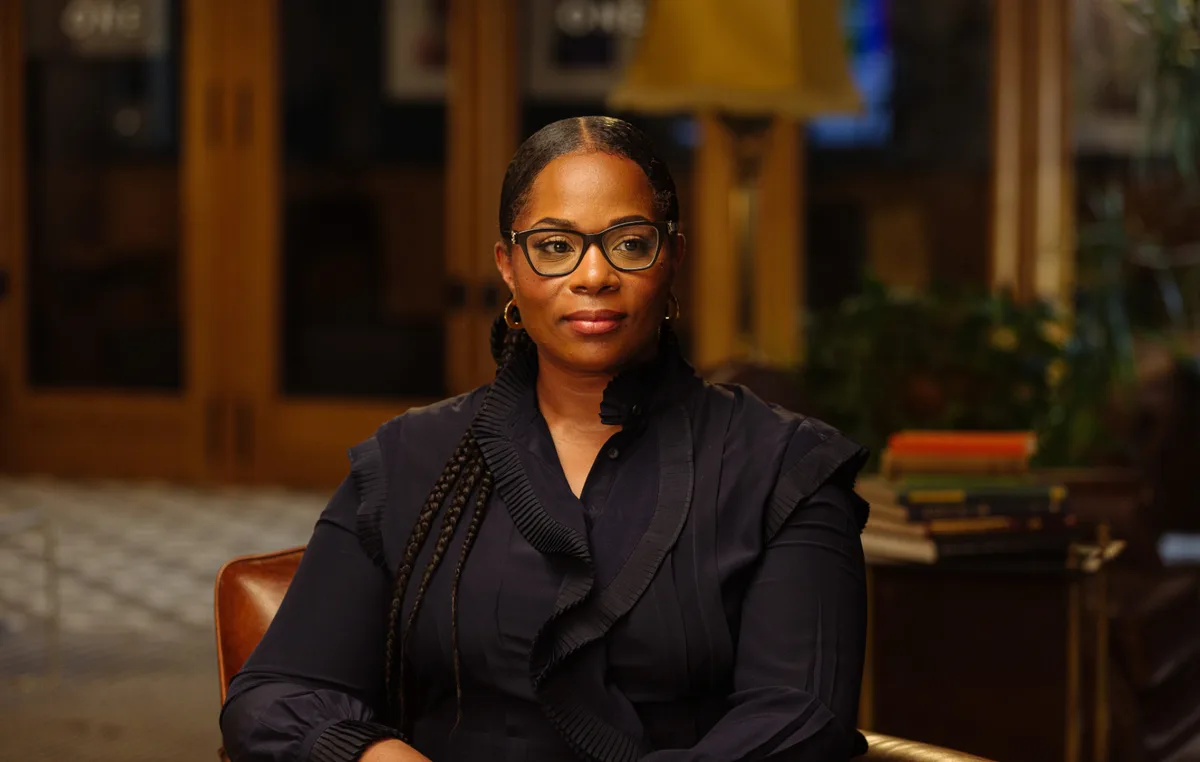
A new report has shown the extent of racial bias in licensing against Black music events in London, while urging the government to assist in bringing change.
Published yesterday (Wednesday October 14), the REMEL Report (Race Equality In Music Event Licensing) is the most comprehensive investigation to date into how licensing and policing shape the fortunes of Black and South Asian musicians, promoters and venues in the capital.
It draws on surveys, interviews, focus groups, industry workshops, freedom of information requests and analysis of licensing data.
Per the findings, Black events face disproportionate cancellations, restrictions or shutdowns compared with white-led events of a similar size.
The document states that this is often done with little explanation given and no clear route to appeal.
The REMEL Report urges the UK government to assist in unlocking “the huge potential of the Black and South Asian music industry”.
“Black and South Asian music and entertainment scene in the UK is a powerful and transformative force, deeply embedded in the nation’s cultural life,” it adds.
“From underground clubs that support new talent to major arenas that showcase global stars, this vibrant community has played a key role in shaping British identity, creativity, and social connection.” The two-year study was led by the REMEL steering group, comprising Greater London Authority (GLA), the Metropolitan Police Service (MPS), UK Music, LIVE, the Musicians’ Union and a large network of promoters, artists, venue operators and community representatives.
View this post on Instagram It comes on the heels of a joint letter from the Musicians’ Union and BLiM to London Mayor Sadiq Khan, calling for action on racial bias in event licensing.
Charisse Beaumont, Chief Executive, Black Lives In Music, said: “Licensing doesn’t just affect a few artists or a handful of events.
It touches every part of the music ecosystem, from the young artist trying to get their first gig, to the promoter building a platform for emerging talent, to the local venue that brings life to a community.
“Across the research, people called for a licensing system built on transparency, dialogue, cultural understanding, clear definitions of risk and a shared commitment to safety.” She added: “The good news is that everyone involved in this report, from music industry bodies, to the Mayor of London and Metropolitan Police have all welcomed its findings and want to help reform the system, for everyone’s benefit.
5News aggregated this summary from the outlet’s public feed. The full article, with all the context, is on www.nme.com — the content belongs to NME.