What is a Neet? The term behind Britain’s growing youth unemployment crisis
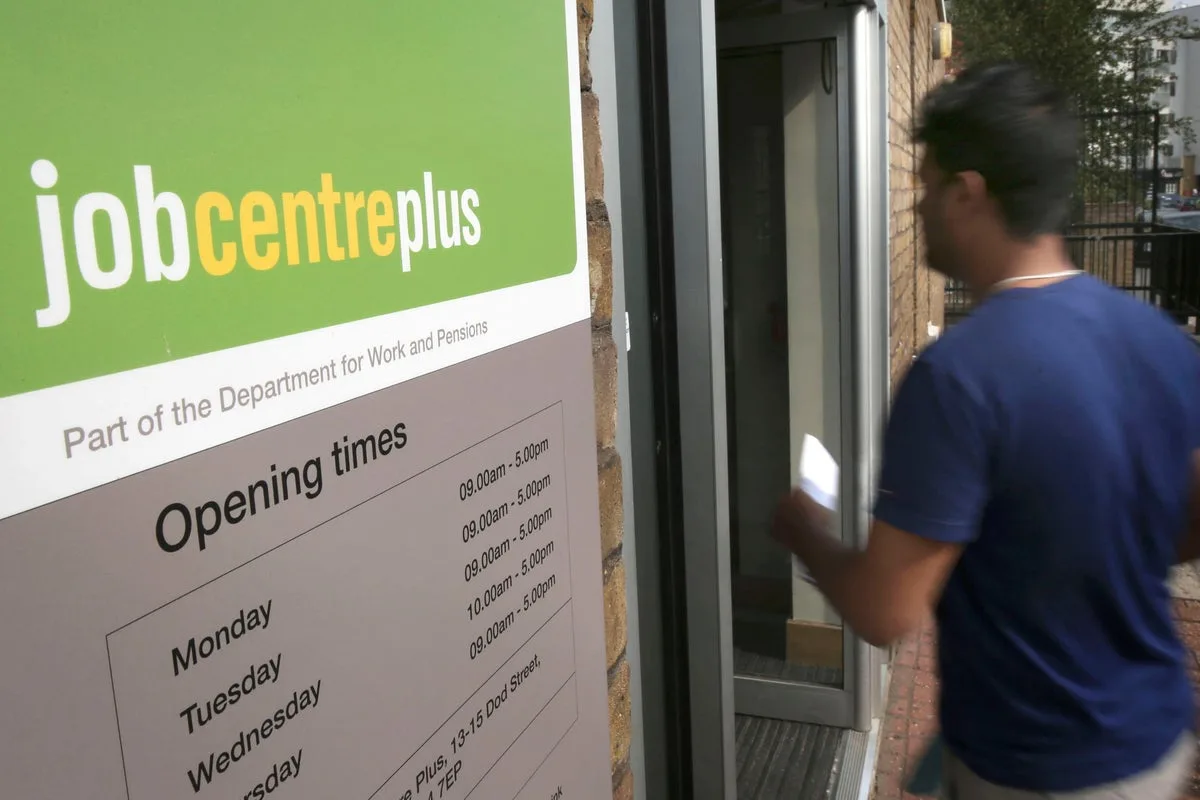
The number of young people not in employment, education or training (Neet) continues to hover around the one million mark , recording a slight fall between April and June.
There were 981,000 young people with Neet status over this period, the latest official data shows, down 30,000 from the 1.01 million recorded for January to March.
Earlier this year, Alan Milburn warned that Britain could see 1.25 million Neets by the early 2030s without urgent government intervention.
The former Labour health secretary is leading a government-commissioned review into youth economic inactivity, expected to call for steps to overhaul schools, the health service, welfare system and jobs market.
Responding to the latest statistics, he said: “Nearly one million young lives on hold is a scar on this country.
“Young people are desperate for an opportunity to learn or earn. Instead, we're creating a lost generation. They want to work - they just need a chance.
“My review will set out how that can be achieved so that young people get their futures back.”
The issue is far from a new one, with the percentage of people aged 18-24 with Neet status peaking at nearly 20 per cent in late 2010, almost 5 per cent higher than current levels.
But this rate has continued to rise steadily following the Covid pandemic, with experts warning that steps must be taken now to reverse the current trajectory.
Those in formal education , undertaking an apprenticeship or in part-time work are not considered to be Neet.
There are now 981,000 young people aged 16-24 with Neet status in the UK, according to data from the Office for National Statistics published on Thursday. This is equivalent to 13 per cent of all people aged 16 to 24.
Most of these fall into the economically inactive bracket, at 588,000.
The latest figure saw a decline from the 1.01 million recorded for January to March 2026, which had marked a 12 year high.
The largest quarterly Neets total was 1.24 million, recorded in July to September 2011, after the 2008 financial crisis – representing 16.9 per cent of all young people at the time.
5News aggregated this summary from the outlet’s public feed. The full article, with all the context, is on www.independent.co.uk — the content belongs to The Independent Politics.