Is a sugar-rich diet while on antibiotics a threat to the gut microbiome? A new study attempts to find out
Account subscription benefits alongside Premium Stories, Editorials, Opinions and more. Unlock these with Subscription
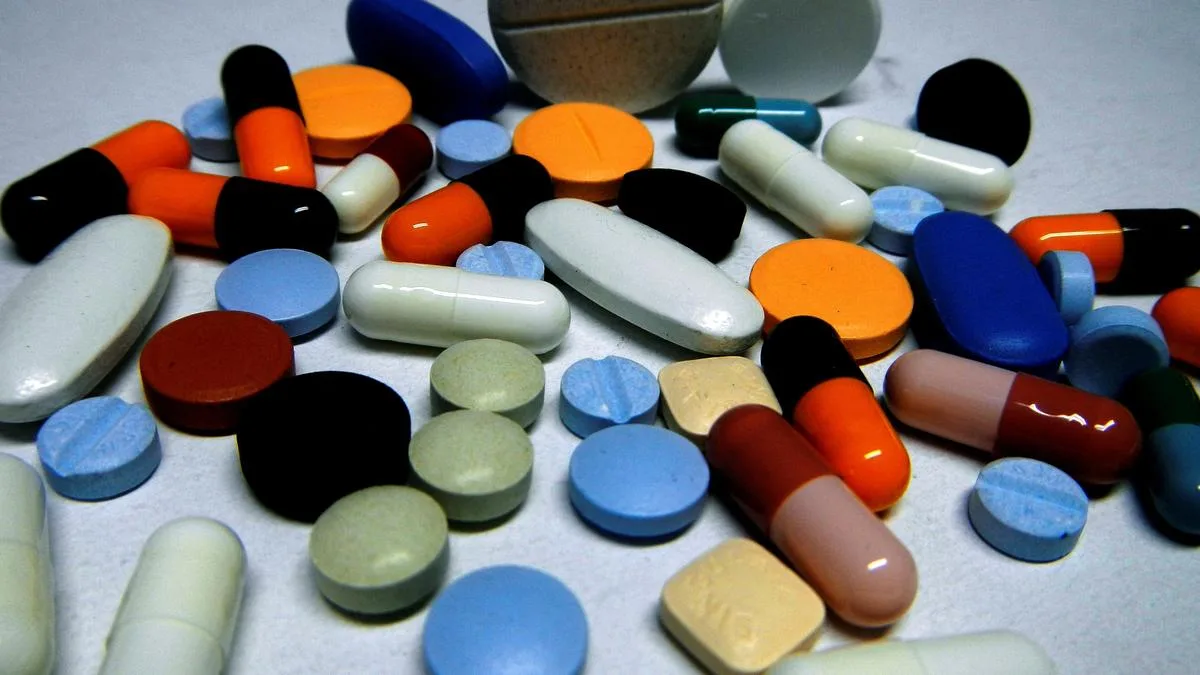
Under normal conditions, the gastrointestinal tract harbours a diverse microbial consortium in which many organisms vie for resources and ecological niches. Many of these competitors can be killed or inhibited by antibiotics, allowing only more resistant or adaptable organisms to survive. Image used for representational purposes only | Photo Credit: REUTERS
Antibiotics are among modern medicine’s greatest lifesaving discoveries. They have transformed once-dangerous bacterial infections into treatable conditions and remain indispensable in cancer care, surgery and infectious disease management. But antibiotics come with an unintended consequence: they do not always distinguish between harmful bacteria and the enormous community of beneficial microorganisms living inside our gut.
Recent research suggests that what we eat while taking antibiotics may determine just how badly this microbial ecosystem is disturbed. In particular, sugar-rich foods may worsen antibiotic-induced damage to the gut microbiome.
A study published in Nature examined the relationship between diet, antibiotics and the gut microbiome in patients undergoing allogeneic haematopoietic cell transplantation. The researchers analysed an unusually detailed dataset—9,419 meals consumed by 173 patients, alongside more than 1,000 stool samples from 158 patients.
Their findings point to an important question. Could the food we eat while taking antibiotics influence how quickly our microbial ecosystem recovers?
The gut microbiota, comprising bacteria and other microorganisms, constitutes a vital ecology for digestion, metabolism, and immunological control. A population of ‘good bacteria’ alone, however, does not determine a healthy microbiome: other factors like equilibrium, diversity, and the interrelations among myriad microbial species play a major role as well. When this ecological equilibrium is disrupted, it may result in dysbiosis, a condition characterised by reduced microbial diversity and the proliferation of a few other organisms.
Antibiotics are a major cause of such disruption. This is especially evident in patients undergoing intensive medical treatments such as blood or bone-marrow transplantation, where antibiotics may be combined with chemotherapy, radiation and other interventions that further stress the intestinal ecosystem. The new study reveals that diet can become an important additional factor.
Studying diet and the microbiome is notoriously difficult. People eat different foods every day, and conventional dietary questionnaires often depend on memory. The researchers overcame some of these limitations by studying patients who were hospitalised for haematopoietic cell transplantation. Because their meals could be recorded repeatedly and stool samples collected over time, the investigators could examine diet and microbiome changes almost day by day.
They recorded thousands of individual meals and classified foods into groups such as grains, vegetables, fruits, meats, milk, oils and sweets.
5News aggregated this summary from the outlet’s public feed. The full article, with all the context, is on www.thehindu.com — the content belongs to The Hindu - Sci-Tech.