Your cells keep a record of every workout you’ve ever done – and those gains persist even after a break from exercise
Account subscription benefits alongside Premium Stories, Editorials, Opinions and more. Unlock these with Subscription
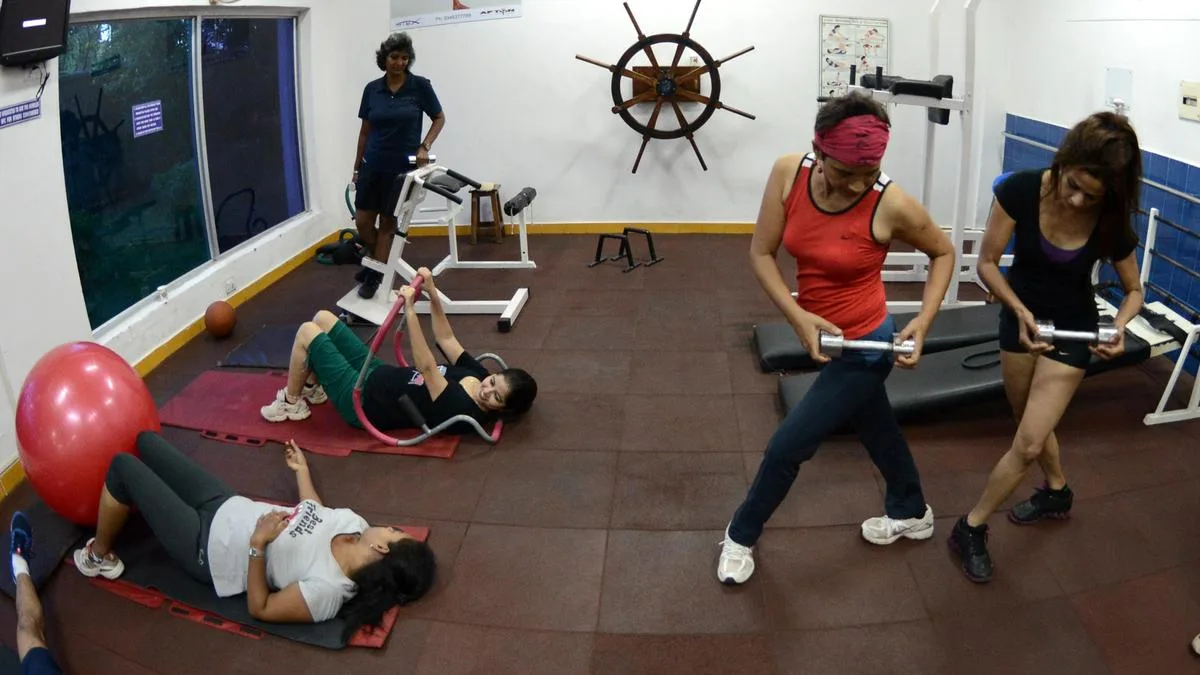
Your body retains the benefits of exercise even when you need to hit pause |Image used for representational purpose only | Photo Credit: File Photo
Have you ever taken months off training – maybe due to an injury, a new baby or crushing work deadlines – and come back convinced you were starting from zero?
Research from our team has some good news: At the cellular level, you probably weren’t.
We found that muscle and liver cells store memories from every training session in ways that may help improve endurance, control blood sugar levels and even slow weight regain after inactivity.
For most of the past century, long before fad diets and fancy workout trends took off, exercise was considered one of the most effective lifestyle changes to lower the risk of heart disease, Type 2 diabetes, several cancers and early death for people of all ages. But people typically understood exercise as something whose beneficial effects fade away over time: You use it or lose it.
When you stop training, your maximum oxygen uptake, muscle gains and insulin sensitivity drift back to where they started , often within weeks. Physical activity guidelines are built on this fact, which is why they emphasise consistency above all else.
Consistency, however, is a luxury that roughly 3 in 4 American adults aren’t able to enjoy . People can experience injuries, illness, pregnancy or jobs that limit their time for or ability to exercise. If adaptation really resets, every time you step into the gym would be as if you’ve never been there before. But that scenario doesn’t match what coaches and returning athletes typically describe: In practice, people who have trained before can get fit again faster than those who haven’t undergone similar training.
In recent years, however, scientists have started challenging the concept of “use it or lose it.” New research hints that your cells might keep a record of your training history so all of your gains are not completely lost.
We are exercise physiologists who study how cells remember exercise. Our lab and others have shown that the body is able to store a form of exercise memory across different organs.
To study how this exercise memory works, our team of researchers use an ON-OFF-ON exercise training protocol in mice, which involves an initial four- to eight-week training period, followed by detraining – a period of no exercise – and a second training bout. This method allows us to examine how cells form a memory of exercise, maintain a record of exercise through detraining, and recall memories of prior training when exposed again to exercise.
Using this strategy, our team found that skeletal muscle memory accelerates muscle growth . Compared to mice with no training history, mice who retrained grew bigger muscles, and the individual muscle fibers inside those muscles grew too.
5News aggregated this summary from the outlet’s public feed. The full article, with all the context, is on www.thehindu.com — the content belongs to The Hindu - Sci-Tech.