America’s murky deal to secure a fifth of Venezuela’s oil
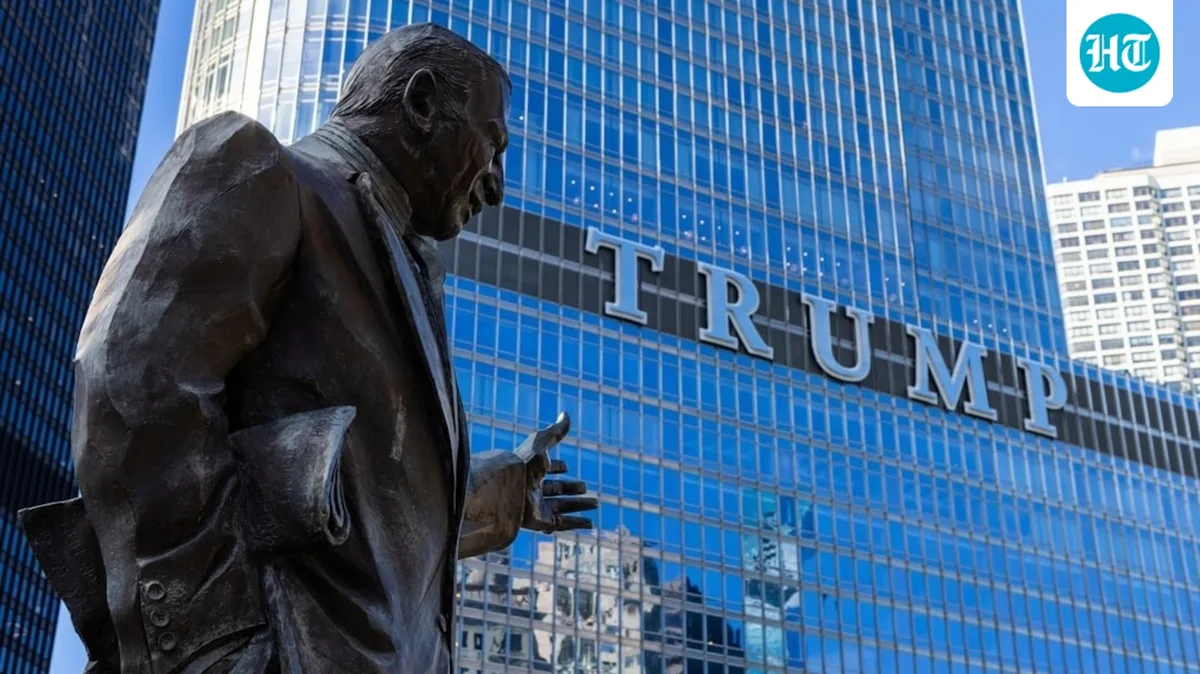
IT WAS A typically Trumpian announcement. On August 28th, the American president declared what he called “the biggest oil deal in world history”, an agreement he said would give America “majority control” of more than 65bn barrels of Venezuelan crude: around one fifth of the country’s vast proven reserves. Details were conspicuously absent, but the president said it involved “a partnership with private business” and would be “at no cost to the American taxpayer”. He described Delcy Rodríguez, Venezuela’s unpopular and unelected leader, as the “Highly Respected Interim President of Venezuela”. Ms Rodríguez joined in the mutual obsequence, offering her “deepest gratitude” to Mr Trump for a deal she said will contribute to “our country’s economic growth, the energy security of our hemisphere and greater balance in international markets”.
Mr Trump claimed that the arrangement “more than doubles” American oil reserves. That is misleading. The United States, whose own reserves stand at around 44bn barrels, will not own the 65bn barrels of Venezuelan oil, much though Mr Trump might wish it did. It appears it will instead become the majority owner of a new company that will have the right to develop and operate 17 Venezuelan oil fields spanning the Orinoco Belt and Lake Maracaibo. The contracts that the entity signs may be unusually long, potentially as much as 50 years, renewable for another 50 years, The Economist has been told.
Given the number and size of the fields, this new company will probably not operate them all itself. Instead it may operate some, but be able to decide which companies are contracted for the others, or sub-contract them itself. The Venezuelan state will have no operational role but will receive royalties and taxes from the oil produced. It appears that the American government itself will in effect act as a guarantor of contracts. This should reduce the risk of investment for American oil companies. Several of them have unhappy memories in Venezuela: losing billions when their previous joint-venture contracts were altered under the Hugo Chávez government in 2007. No new oil major has, so far, agreed to invest again—much to Mr Trump’s chagrin. Now they might.
Sources with knowledge of the agreement tell The Economist that the “private business” that will hold a 45% stake in the new joint-venture operator (with the American government reportedly holding the rest via an office at the Pentagon), will be North American Blue Energy Partners, or NABEP, a privately owned oil producer, registered in Barbados with offices in Caracas. That company is controlled by Alejandro Betancourt, a controversial London-based Venezuelan, often referred to as one of a group of “bolichicos”—businessmen who made themselves fortunes on the back of lucrative contracts during the chaotic corrupt heyday of Mr Chávez’s rule. Mr Betancourt has faced several international investigations into alleged money laundering. But he appears to have made himself exceptionally useful to the Trump administration.
5News aggregated this summary from the outlet’s public feed. The full article, with all the context, is on www.hindustantimes.com — the content belongs to Hindustan Times - World.