Endangered species in Canada face extensive delays receiving protection
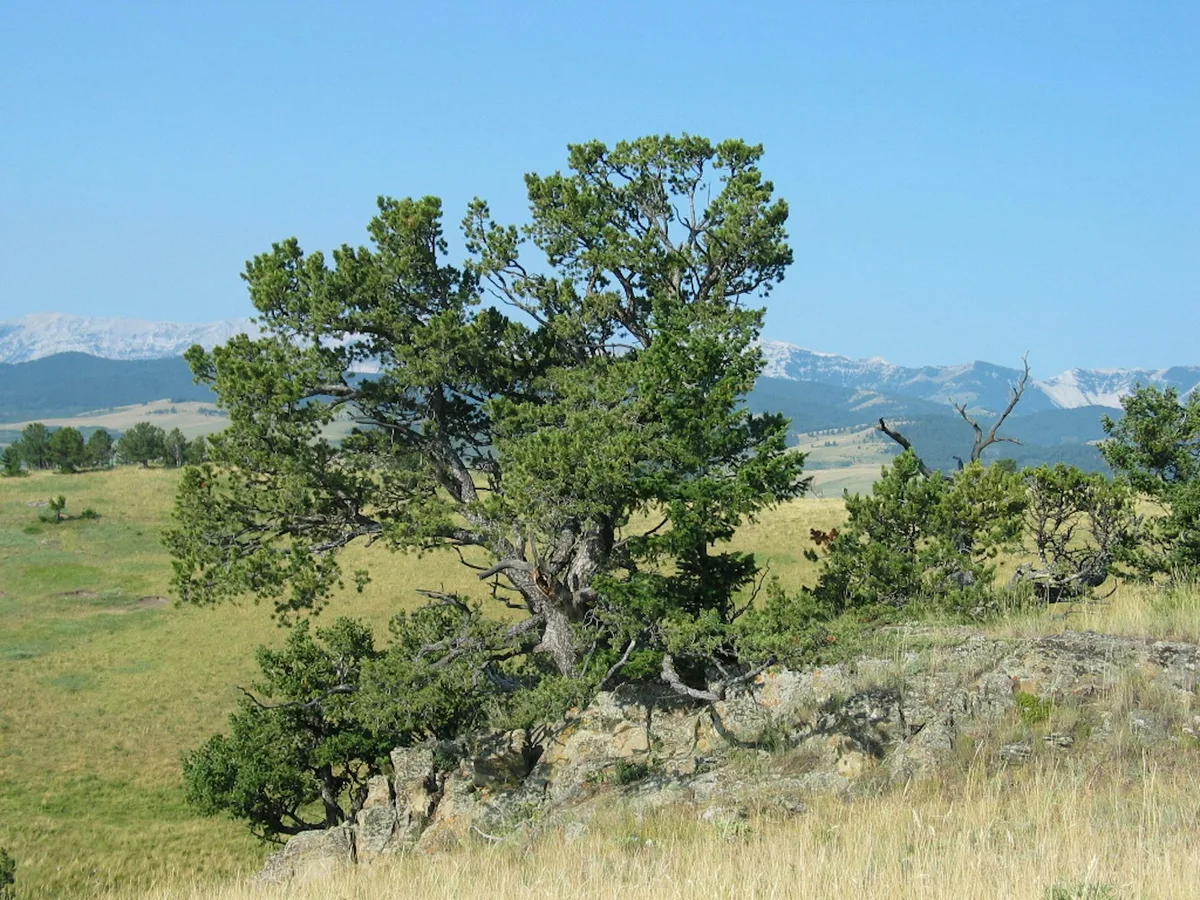
Endangered species such as the limber pine have been awaiting protection for years. (Cindy Smith) For more than 20 years, Canada’s Species at Risk Act (SARA) has protected wildlife that are at risk of being lost from Canadian lands and waters.
Once a species is listed as extirpated, endangered or threatened under the act, it becomes illegal to kill, harm or capture it or damage its residences.
Its critical habitat must also be protected, at least on federal land.
Nevertheless, these protections are routinely delayed for years.
Our recently published research has found that since 2017, species that need SARA protections have waited nearly two and a half years on average to formally receive legal protections, well beyond the timelines the federal government set for itself.
And that only includes species the government has decided to protect.
Others are still awaiting protected status and have been waiting for much longer than that.
This is a systemic problem that has persisted for nearly two decades.
As climate change and human disturbance accelerate, delays in implementing protections can have irreversible consequences for wildlife.
A step with no deadline Listing a species requires two stages.
First, the Committee on the Status of Endangered Wildlife in Canada (COSEWIC) independently assesses a species’ status and the threats it faces, and recommends whether it should be listed.
The committee’s assessment then goes to the federal minister of environment and climate change.
Second, the federal government consults with Indigenous rights holders, provincial and territorial governments, scientific experts, industry and the public to assess broader social and economic consequences of listing.
The minister then forwards the assessment to the federal cabinet, which has nine months under SARA to make a final decision.
5News aggregated this summary from the outlet’s public feed. The full article, with all the context, is on theconversation.com — the content belongs to The Conversation Canada.