Rising seas threaten the world’s migratory shorebirds
Birds undertake some of the world’s most impressive migrations , travelling hundreds to thousands of kilometres every year in search of safe breeding grounds and seasonally abundant food resources.
For many birds, migration is the key to their success .
However, migration can also make species more vulnerable to threats.
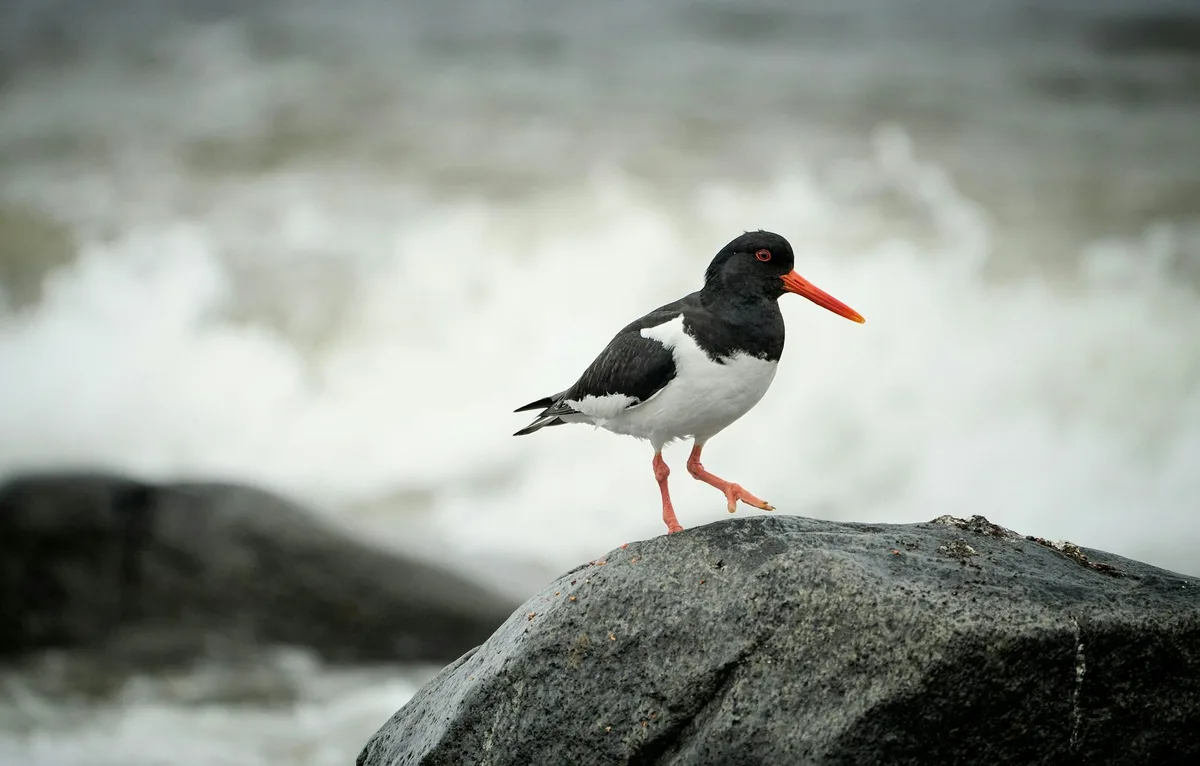
Shorebirds — species that include sandpipers, plovers and oystercatchers — live and migrate along the world’s coastlines.
Over the last several decades, coastal development has led to the loss of shorebird habitats in many areas of the world, driving population declines in multiple species .
Now, a new threat is emerging: climate change-driven sea-level rise.
But how exactly does sea-level rise impact shorebirds, and just how serious is this threat? Our new study reviews the evidence from 37 published papers to provide the first comprehensive overview of the threat of sea-level rise to the world’s shorebirds.
Long story short: things aren’t looking good.
Squeezing habitats out of existence Shorebirds — as their name suggests — live along the shore, relying primarily on coastal ecosystems like beaches, salt marshes and tidal flats.
As sea levels rise, these vital habitats shrink.
Some coastal ecosystems may persist in the face of sea-level rise by moving inland with the rising waters, but this isn’t always possible.
More than half of the world’s largest cities are within 100 kilometres of a coast , meaning that the presence of coastal infrastructure often blocks these pathways.
This leads to a phenomenon known as coastal squeeze — where ecosystems are increasingly squeezed between the rising waters and an inland barrier (such as dikes and seawalls built to protect homes and businesses), leading to decreases in habitat.
Loss of habitat has obvious implications for migratory shorebirds: less access to food, less space for nesting and more competition with other individuals.
5News aggregated this summary from the outlet’s public feed. The full article, with all the context, is on theconversation.com — the content belongs to The Conversation Canada.