Australian poetry classics: Francis Webb, the 20th century’s ‘most unjustly neglected poet’, is our best kept literary secret
In this series, we explore influential Australian poems.
There are giants of Australian literature who are household names, and those who once were but are no longer.
Francis Webb (1925–73) fits firmly in the latter category.
His works are rarely quoted in public life, inscribed on public art or taught in schools.
Webb’s case tells us much about the shifting character and nature of Australian literature, for he has never been completely forgotten either.
His reputation endures in a strange space where a writer regarded by the cream of his generation and generations since as an unmatched “poet’s poet” can also be simultaneously unknown to most readers today.
Webb would hardly have minded.
He saw right through fame from the start.
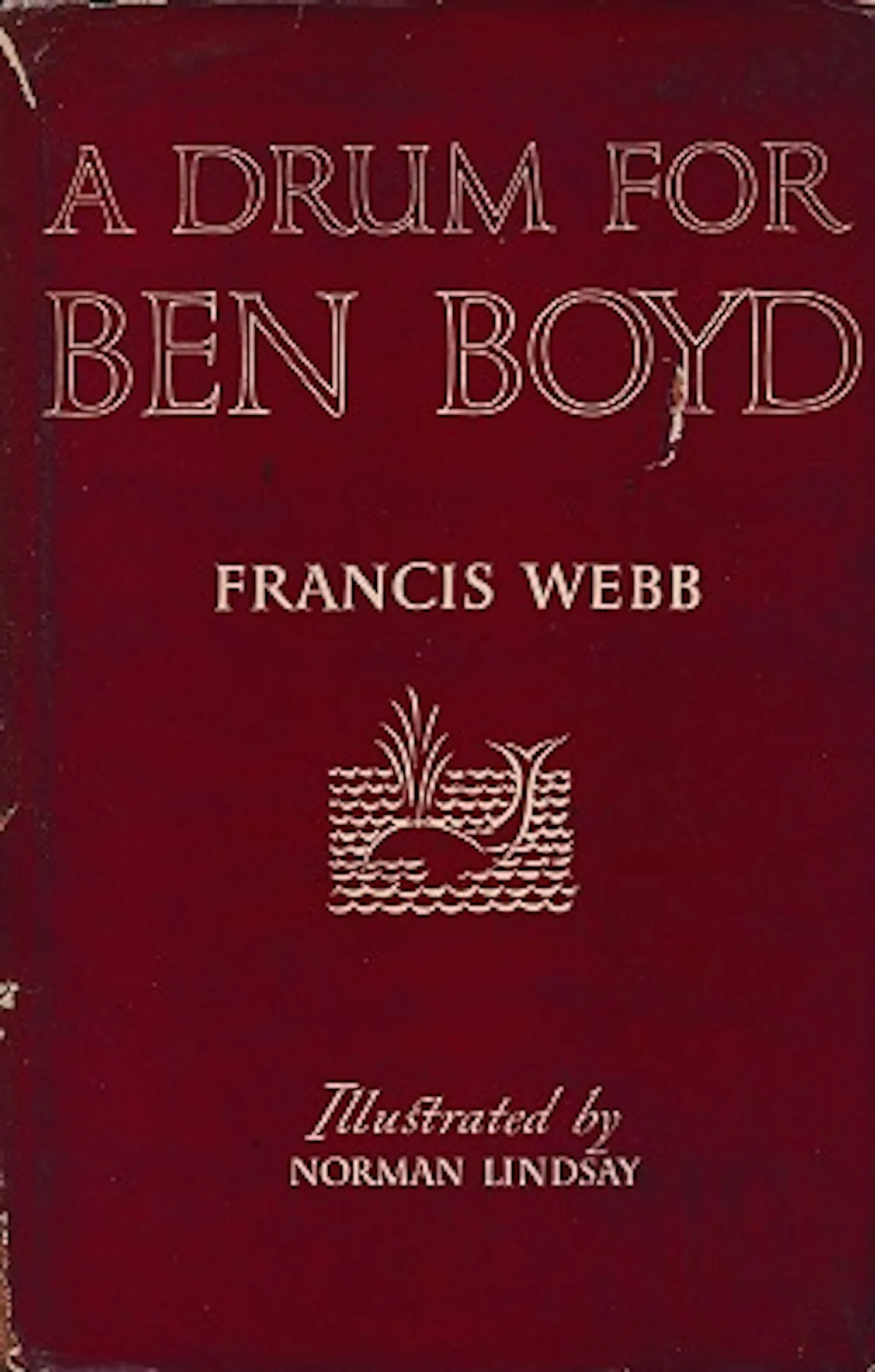
It is no accident that the colonial villains he dramatises in early poems, such as A Drum for Ben Boyd (1948) and Morgan’s Country (1952), are vainglorious, corrupt and self-serving.
To a Poet (1943), written when Webb was 18, derides the revered poets of his own era thus: Now yours is the grand power, great for good or evil: The schoolboy (poor devil!) will be told off to study you.
On hills over the sky you have set your plinths of stone.
You have crushed yourself, alone, in unscented, unstarred valleys.
In Cap and Bells (1943–45), he dedicates himself to the role of holy fool, in keeping with his namesake St Francis of Assisi, who was known as the “fool of God”.
Webb ends this early poem silently declaring to himself, on a crowded train on the Harbour Bridge, I have chosen the little, obscure way In the dim shouting vortex; I have taken A fool’s power in his cap and bells.
5News aggregated this summary from the outlet’s public feed. The full article, with all the context, is on theconversation.com — the content belongs to The Conversation Australia.