Climate change may halve omega-3 fatty acids in fish and the organisms they eat
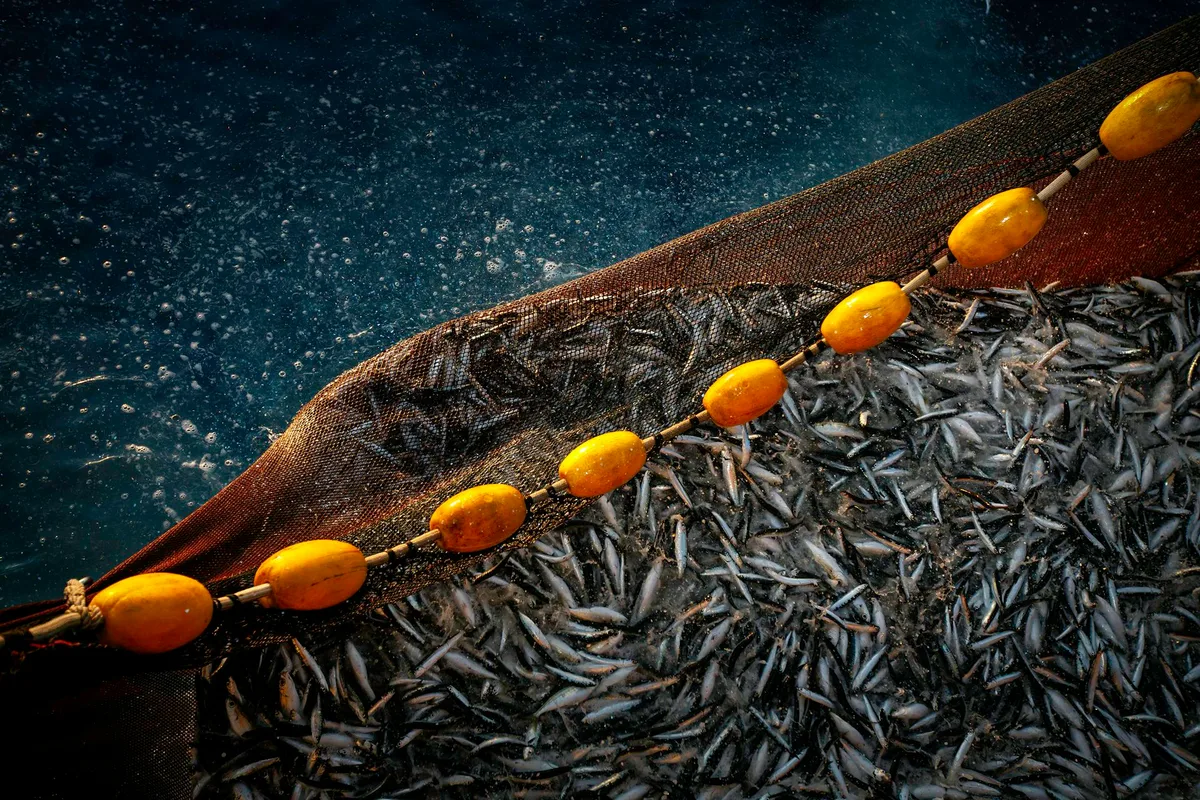
Damir Sagolj/Contributor/Getty Images You’ve probably heard eating fish and other seafood is good for your health.
One of the main reasons is that seafood is an excellent source of two important omega-3 fats called EPA and DHA .
EPA and DHA are critical for the development and function of brains, eyes and healthy hearts .
They also reduce chronic inflammation , which is linked to many chronic diseases .
They can also reduce the risk of premature births and perhaps even some types of cancer .
While humans can produce EPA and DHA from ALA (an omega-3 fat found in plants) and it’s possible to get them from foods such as linseed and walnuts, seafood is the main source for most people.
However, our new study shows many fish and other seafood will become less rich in omega-3s over time, due to rising ocean temperatures as the climate changes.
In fact, we found omega-3 could drop by 50% under very high warming scenarios.
This is very bad news for human health but also for the health of other animals in the food web.
What is the food web? Marine algae are among the only forms of life that produce EPA and DHA omega-3s .
Examples of marine algae include seaweeds and diatoms (a type of phytoplankton).
The food web is a term that describes the feeding relationships of different species within an ecosystem.
Source: NOAA, Ocean Food Webs Module , CC BY Marine algae form the base of marine food webs – a term that means the feeding relationships of different species within an ecosystem.
This means marine algae are crucial sources of micronutrients to all animals .
5News aggregated this summary from the outlet’s public feed. The full article, with all the context, is on theconversation.com — the content belongs to The Conversation Australia.





