Saturday 17 October 2026 SourcesAbout🌓
🇦🇺 AU ▾
BREAKING
› ‘This is my answer’: Zelenskyy smiles at suggestion he is a scapegoat for Trump’s problems – Europe live› 'New Rafa' makes Shanghai Masters history with Ruud win› Carrick includes Martínez in squad; Maresca feels ‘no stress’; Watford sacking reports ‘fake news’: football – live› UK risks losing key role in European space industry over satellite contract, says Airbus boss› Violent clashes involving slingshots during West Bank olive harvest› Pope Leo to lead Sunday prayers after lung surgery› Israeli settlers attack olive farmers and Washington Post journalist in West Bank› 2027 Lamborghini Urus SE Performante review: Track test› British man fined €3,000 for causing two-year-old son’s death in Cyprus› Back to Back Barries: Can Josh Frydenberg stage a comeback? – video› ‘This is my answer’: Zelenskyy smiles at suggestion he is a scapegoat for Trump’s problems – Europe live› 'New Rafa' makes Shanghai Masters history with Ruud win› Carrick includes Martínez in squad; Maresca feels ‘no stress’; Watford sacking reports ‘fake news’: football – live› UK risks losing key role in European space industry over satellite contract, says Airbus boss› Violent clashes involving slingshots during West Bank olive harvest› Pope Leo to lead Sunday prayers after lung surgery› Israeli settlers attack olive farmers and Washington Post journalist in West Bank› 2027 Lamborghini Urus SE Performante review: Track test› British man fined €3,000 for causing two-year-old son’s death in Cyprus› Back to Back Barries: Can Josh Frydenberg stage a comeback? – video
Science

Despite years of rain, Blue Mountains forests still haven’t recovered from the Black Summer megafires
The Conversation Australia ·
Despite years of rain, Blue Mountains forests still haven’t recovered from the Black Summer megafires

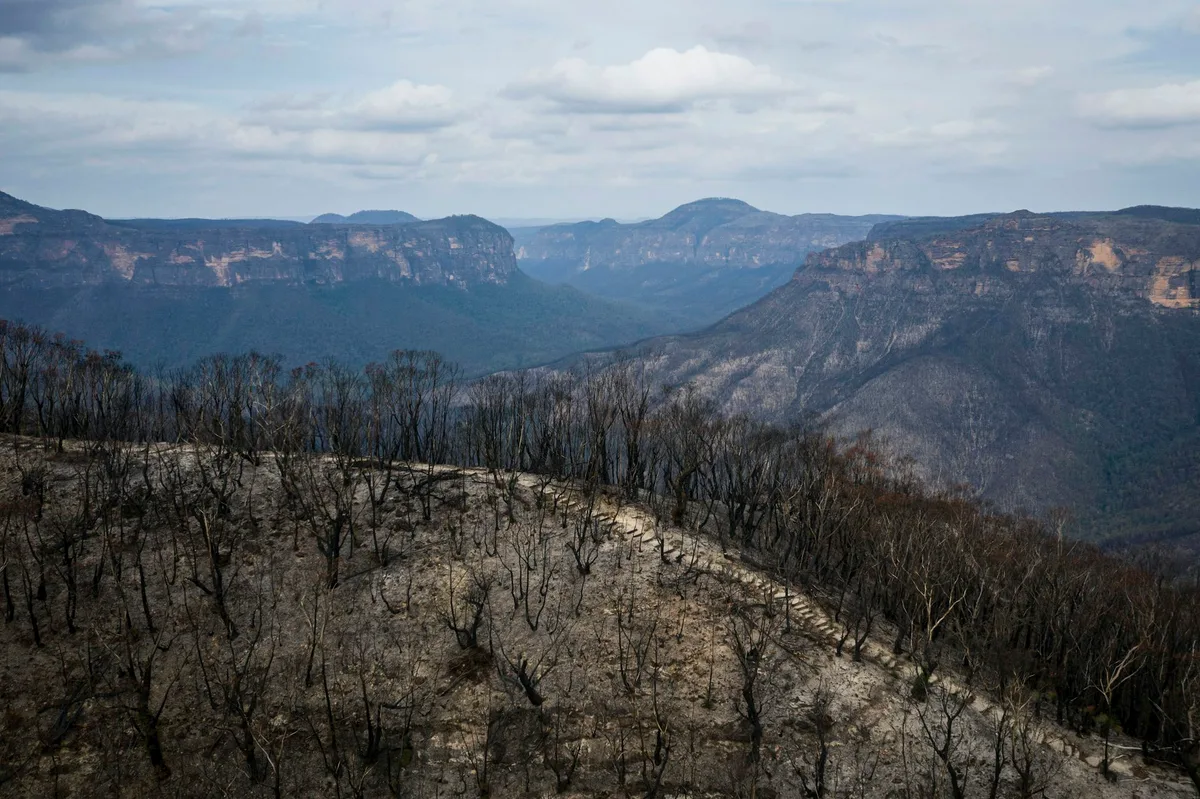
Brook Mitchell/Getty For three years before the Black Summer megafires of 2019–20, cool season rainfall in southeastern Australia was only half that of normal.

When fires broke out, intensely dry conditions helped them spread through areas typically resistant to burning, such as wetlands and rainforests .

After the fires came three years of above-average rainfall, and scientific reports charted rapid vegetation regrowth.

It’s easy to think the rains let nature repair itself.

But is that the full story? In our new research , we looked at what happened to seven severely burnt plant communities in the Greater Blue Mountains, west of Sydney.

We found a mixed picture.

Wet sclerophyll forests supporting tall eucalypts skirted by ferns recovered within five years.

But Blue Mountains rainforests did not recover from burns of any severity.

Nor did grassy woodlands.

How can we track recovery? To find out how well forests and other communities recovered from the Black Summer fires, we tracked recovery across the million-hectare Greater Blue Mountains World Heritage Area .

Seven severe fires hit this region over the 2019–20 summer.

The biggest was the Gospers Mountain fire, which burned an area seven times the size of Singapore – the largest fire from a single ignition point in Australia’s recorded history.

Five years on, if you had looked out across the Blue Mountains landscape you might have thought recovery was well under way.

Thick scrub quickly replaced charred undergrowth in many areas.

Read the full article on The Conversation Australia ›

5News aggregated this summary from the outlet’s public feed. The full article, with all the context, is on theconversation.com — the content belongs to The Conversation Australia.


More from The Conversation Australia

See all ›

More in Science

See all ›