Thursday, 15 October 2026 SourcesAbout🌓
🇿🇦 ZA ▾
BREAKING
› IN THE DOCK: Sibiya wiped phones before arrest, court hears, as alleged victims oppose bail› ANALYSIS: SA’s lack of a dominant election narrative fractures the national voice before polls› LOCAL ELECTIONS 2026: Cosatu breaks with exclusive ANC support to back left-wing ‘super pact’› LOCAL ELECTIONS 2026: Frustrated ANC supporters tell Mashatile, back from illness, to ‘act right’› SEVENTH SUSPECT: New accused joins alleged Nelson Mandela Bay kidnapping and murder syndicate› CRITICAL GAPS: Labour Court halts Manamela’s bid to readvertise National Skills Fund CEO post› INDEPENDENCE QUEST: SA body goes to World Aquatics for right to govern water polo› LOCAL ELECTIONS 2026: MK will ‘hoover up’ eThekwini, but race could lead to a shaky coalition› OLD KING COAL: Loaded for Bear: Why Minister Mantashe’s affection for coal is rooted in BEE, transformation› LOCAL ELECTIONS 2026: Jacinta Ngobese-Zuma reported to IEC for xenophobic smear on Rise candidate Aziz Ally› IN THE DOCK: Sibiya wiped phones before arrest, court hears, as alleged victims oppose bail› ANALYSIS: SA’s lack of a dominant election narrative fractures the national voice before polls› LOCAL ELECTIONS 2026: Cosatu breaks with exclusive ANC support to back left-wing ‘super pact’› LOCAL ELECTIONS 2026: Frustrated ANC supporters tell Mashatile, back from illness, to ‘act right’› SEVENTH SUSPECT: New accused joins alleged Nelson Mandela Bay kidnapping and murder syndicate› CRITICAL GAPS: Labour Court halts Manamela’s bid to readvertise National Skills Fund CEO post› INDEPENDENCE QUEST: SA body goes to World Aquatics for right to govern water polo› LOCAL ELECTIONS 2026: MK will ‘hoover up’ eThekwini, but race could lead to a shaky coalition› OLD KING COAL: Loaded for Bear: Why Minister Mantashe’s affection for coal is rooted in BEE, transformation› LOCAL ELECTIONS 2026: Jacinta Ngobese-Zuma reported to IEC for xenophobic smear on Rise candidate Aziz Ally
Science

Study of 20,000 Nigerians explores the links between drug use, climate change and poverty
The Conversation Africa ·
Study of 20,000 Nigerians explores the links between drug use, climate change and poverty

Psychiatrists and public health researchers have conducted one of the largest studies of its kind in west Africa.

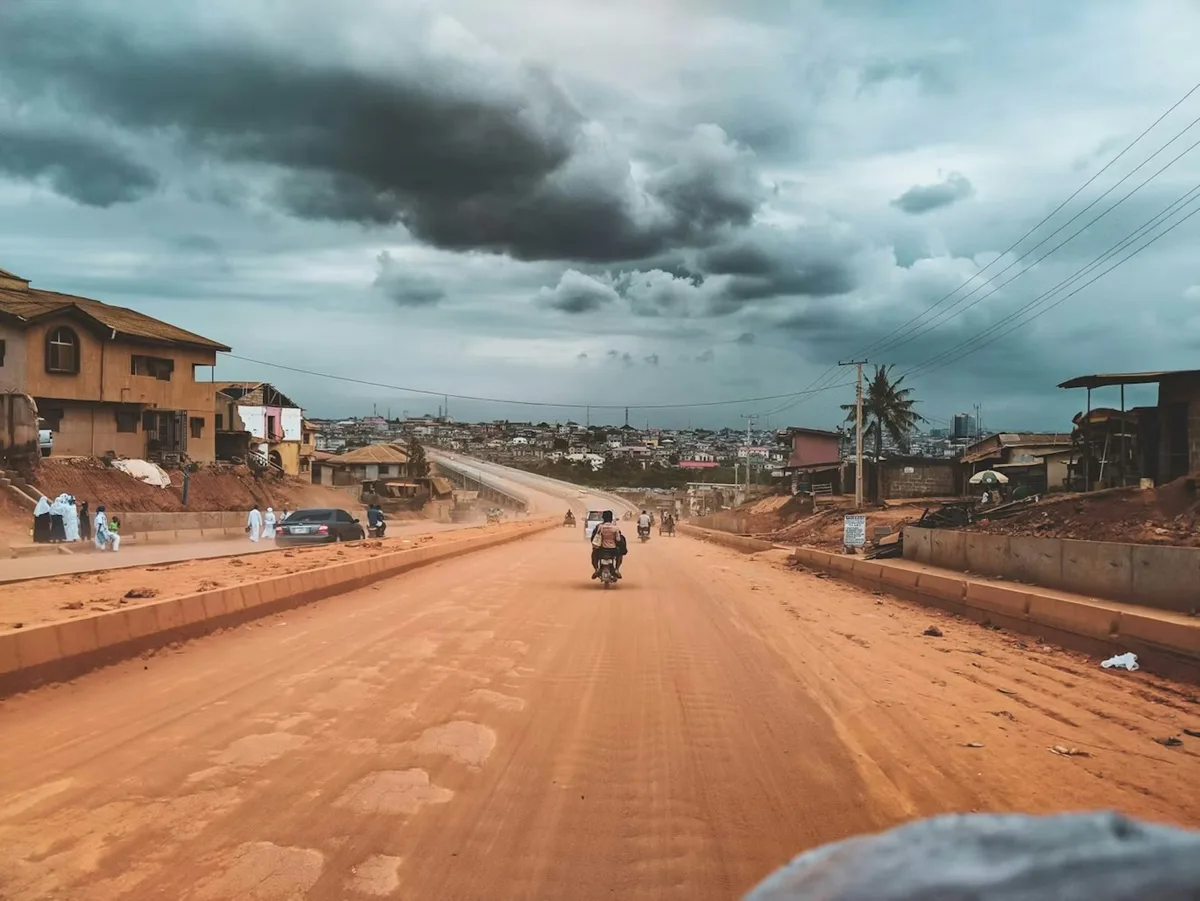
Joshua Oluwagbemiga/Unsplash For years, the world has understood climate change as an environmental problem – melting glaciers, rising seas, extreme weather.

But what happens in people’s minds when their world becomes unstable? What do they do when the only life they’ve known – farming, herding, providing for their families – becomes impossible? These questions drove our team of psychiatrists and public health researchers to conduct one of the largest studies of its kind in west Africa.

We interviewed 20,000 adults across 40 communities in Kano, Kaduna and Katsina states, a region that sits in the semi-arid Sahel belt.

Agriculture is a major source of employment and livelihood in an area that is among the most climate-vulnerable in Nigeria.

Read more: One in two Nigerians live in poverty: why relief programmes have failed We applied a number of research measures.

We used a multidimensional poverty index to measure deprivation, the Kessler psychological distress scale to assess anxiety and depression, and the alcohol, smoking and substance involvement screening test to identify harmful substance use.

We also asked participants about their coping strategies: how they deal with stress.

What we found is alarming.

A vast majority of the people we surveyed are multidimensionally poor.

Nearly half reported high levels of psychological distress.

And almost one in five were engaged in substance abuse.

Our findings underscore that substance use disorder in north-west Nigeria can’t be understood in isolation.

It’s part of a system – climate stress, poverty, mental distress – and must be addressed as such.

Read the full article on The Conversation Africa ›

5News aggregated this summary from the outlet’s public feed. The full article, with all the context, is on theconversation.com — the content belongs to The Conversation Africa.

More from The Conversation Africa

See all ›

More in Science

See all ›