REFLECTION: How documents, race and perceived value shape who is labelled a foreigner in SA
{JSON.stringify(article.attachments[0], null, 2)} --> We love to celebrate cultural difference, until we start ranking it. Through the lens of Contra.Joburg’s Different Is Good festival theme, South Africa’s rising xenophobia is confronted, unpacking why some forms of foreignness are embraced, while others are forced to justify their existence.
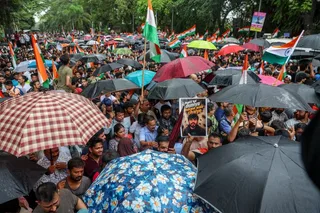
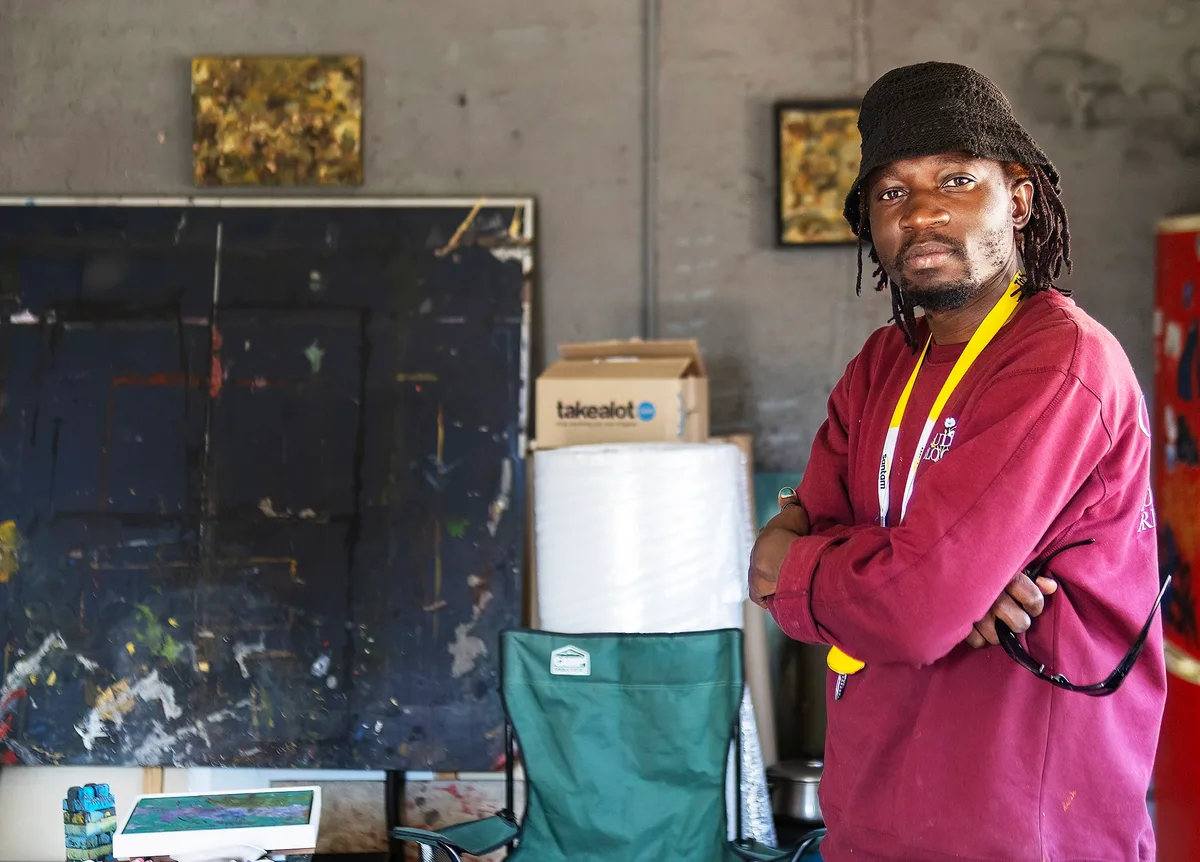
From Bekezela Nkomo Mabena’s rooftop art studio at August House, Johannesburg feels unusually close. I sense the city pressing against the edge of the building. He tells me what happened here on 30 June – the date that had come to carry the threat of exclusion for foreign nationals, as xenophobic mobilisation gathered around calls for them to leave.
When marchers moved through the streets below, artists came upstairs. South Africans sat with documented and undocumented foreigners. Bekezela kept working on his printing blocks.
He tells me about the threats. They came from inside the building too, indirect enough that he could not always tell what was being implied.
“You stay here and you are alone,” someone told him, in a way that hovered uneasily between concern and threat. He began asking whether he was safe, unable to read who supported the march.
The roof had brought people together, but proximity had not answered the question of who among them he could trust. Before Contra.Joburg turned difference into a theme, August House had already been forced to live with the question.
On 29 and 30 August 2026, August House will become one of the stops on the fifth Contra.Joburg , a city-wide arts festival drawing visitors into inner-city studios under the theme Different Is Good.
After 30 June, the phrase “Different Is Good” feels less settled to me than it might have before. I begin to wonder which kinds of difference I am prepared to call good, who taught me to make that distinction, and what someone must become before I recognise theirs as welcome.
Bekezela was 11 when he crossed the Limpopo from Zimbabwe with his brother, following a man through the river in darkness. He remembers the sound of the water and not knowing what was in it.
Now, he thinks of the crossing as a kind of baptism, the river carrying him into a new life before any document could say who he was within it.
Years later, Bulgarian-born, Vienna-based artist Daria Tchapanova crosses the Limpopo too, only her crossing happens in the air. Her entry is simple; she needs no visa. “I just enter the country,” she tells me.
After 30 June, the word “foreigner” no longer seemed to describe everyone it claimed to. Why did “foreigner” seem so often to mean Black African? Daria’s answer makes visible what the word conceals. She can arrive white and European and be read almost immediately as possibility: money, access, opportunity.
Someone from Zimbabwe or Malawi may work here, build a life here and create far more for the people around them than she ever could during a short stay, yet still be imagined as pressure on the same resources.
Daria’s foreignness arrives carrying an assumption of value; Bekezela’s has repeatedly required him to prove that he is not a threat.
5News aggregated this summary from the outlet’s public feed. The full article, with all the context, is on www.dailymaverick.co.za — the content belongs to Daily Maverick.