THE CONVERSATION: We can’t quit smartphones, but we can manage digital junk food better
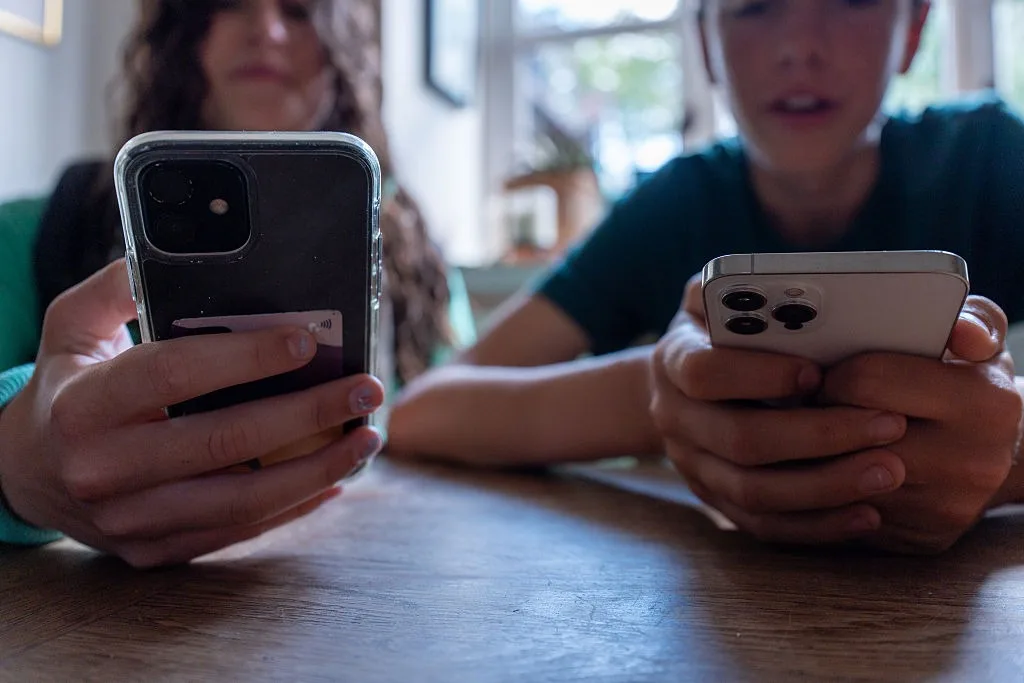
Digital devices have become a kind of essential infrastructure for daily life. How, then, do we develop a sustainable relationship with technologies such as smartphones that are both indispensable and potentially harmful?
Amy, a 27-year-old software developer, has struggled with disordered eating since she was a teenager. “But after learning to code, I got much better,” she said in a research interview. “I often code for ten or more hours without stopping.” Her psychiatrist, however, worried that Amy has replaced one compulsive behaviour with another.
“Digital addiction” is often used to describe our relationship with smartphones, social media and other digital technologies. This way of thinking suggests that people get “hooked” on digital activity because their body becomes “addicted” to dopamine .
It borrows from models of substance addiction: the focus is on the physical need to keep using a substance because the body has adapted to it, despite harmful consequences. The implied solution is straightforward: abstinence, which translates into practices like digital detox.
But Amy’s story, which forms part of our ongoing research, points to a more complicated reality of our relationship with digital technology. Coding consumed much of her time and attention, yet it also helped her earn an income and build a professional identity. Like many forms of digital engagement, it was not just a distraction but a way of navigating life.
As research shows, for many people digital technologies are not only a source of entertainment but key components of their education, work and social mobility. Unlike in the case of addictive substances, opting out of digital life is easier said than done when schools, banks and public services increasingly require it .
How people relate to digital technology isn’t just about them as individuals. It’s shaped by their personal vulnerabilities, but also by digital environments intentionally built to hook us , and by the wider social conditions people live in.
So comparing smartphones to substances like alcohol, tobacco or drugs can be misleading. It overlooks the fact that digital devices have become a kind of essential infrastructure for daily life. Given how we have built our lives around them, these technologies are now very difficult to live without.
How, then, do we develop a sustainable relationship with technologies such as smartphones that are both indispensable and potentially harmful?
Amy’s story with disordered eating may be useful here. Recovery from an eating disorder isn’t about eliminating food altogether, but about learning to live with it.
In the same way that we cannot remove food from our lives, it is also difficult to remove digital technologies from our everyday. So the challenge becomes developing ways of living with them.
Take, for example, sugar. In many countries, foods high in sugar are subject to a wide range of public health measures. Think national food safety standards , public health interventions, school nutrition policies, limits on advertising.
So it’s not about focusing on one thing only.
5News aggregated this summary from the outlet’s public feed. The full article, with all the context, is on www.dailymaverick.co.za — the content belongs to Daily Maverick.