Sparks fly over disputed R1.8bn fire-fighting contract
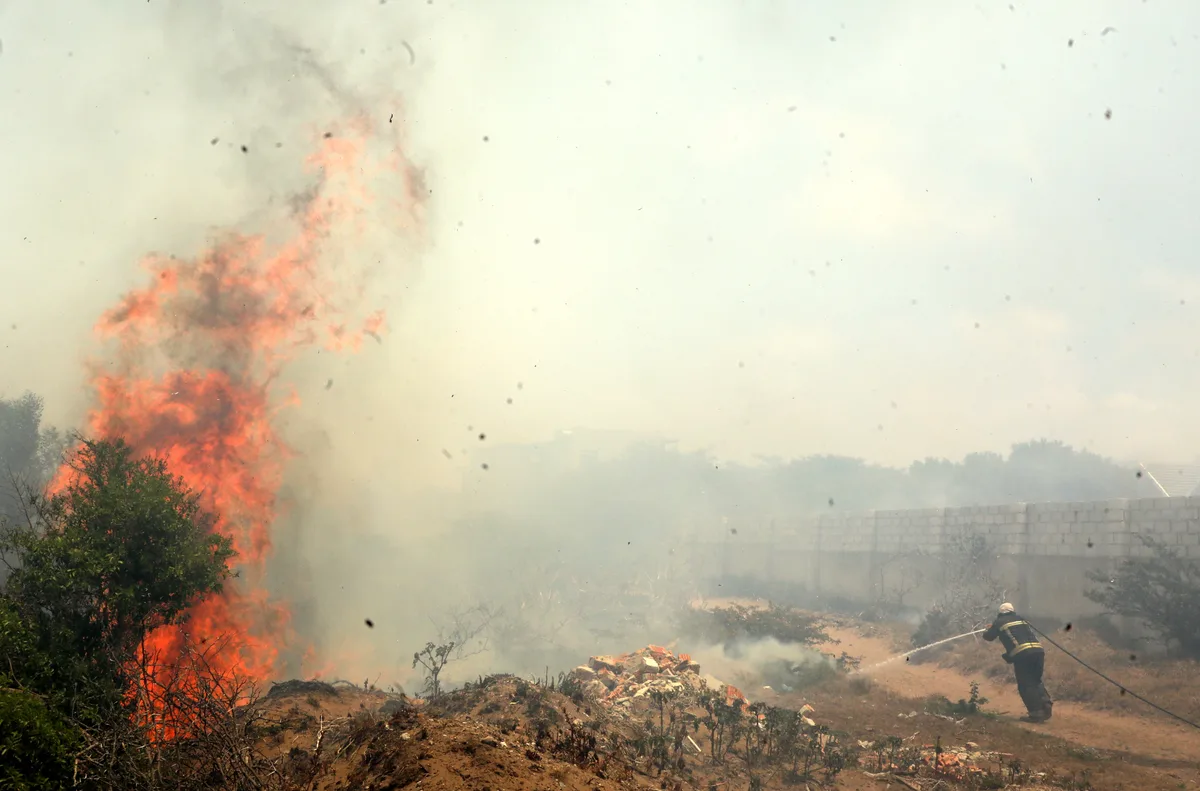
The R1.8bn Working on Fire (WoF) programme has entered a new chapter, with little-known contractor Tefla Group taking control of one of South Africa’s most critical wildfire-fighting operations, even as questions over the procurement process that landed it the contract continue to simmer.
Tefla assumed responsibility for implementing the national programme on August 1, ending more than a decade of continuous service by WoF and its Kishugu-linked operation.
The department of forestry, fisheries and the environment (DFFE) awarded Tefla the contract at a value of R1.8bn after a tender.
Tefla has confirmed the transition has occurred and that it now manages and directs the implementation of the programme.
The transition follows a bruising legal battle in which Working on Fire attempted to stop the department from concluding a service-level agreement with Tefla while it challenged the award.
But in May, the high court in Pretoria dismissed WoF’s urgent application for an interim interdict, clearing the way for the department to proceed with appointment. The court found that WoF had failed to establish the requirements for the interim relief it sought.
The court battle, however, exposed a far deeper dispute over how a tender originally advertised as a five-year contract ultimately became a roughly R1.8bn two-year award covering what would have been years four and five of the original contract period.
Working on Fire argued that bidders had priced their proposals on the basis of a five-year programme and that the department had fundamentally altered the competitive environment by negotiating a shortened arrangement with Tefla.
Tefla disputed this, saying the original scope and deliverables had remained intact and that the department had simply moved to two years because of funding constraints.
The company’s answering affidavit records that the department told bidders in February that the re-evaluation would be based on the original 2022 bids. A further validity period was then sought from bidders before the department entered into negotiations with Tefla.
According to Tefla’s affidavit, the department told the company that the project was approaching year four and that it intended to negotiate on the remaining two years of the original five-year contract.
Tefla’s representatives warned that compressing a large-scale national programme originally designed to run over five years into two years would have significant implementation and costing implications.
The department, according to the affidavit, responded that restarting the tender would require another three years of funding that it did not have within the Medium-Term Expenditure Framework.
“The department could not extend the contract period and would therefore focus on the remaining two years, unless a new tender process were initiated.”
5News aggregated this summary from the outlet’s public feed. The full article, with all the context, is on www.timeslive.co.za — the content belongs to TimesLIVE News.