World ocean temperatures hit extreme new record for July
World ocean temperatures hit a record high for July this year, according to a new report from the European Union’s Copernicus climate monitoring service.
Sea surface temperatures, measured at 10 meters deep, averaged 20.96 degrees Celsius (69.7 degrees Fahrenheit) in July. This included all global oceans aside from the polar regions.
If you're enjoying this article, consider supporting our award-winning journalism by subscribing . By purchasing a subscription you are helping to ensure the future of impactful stories about the discoveries and ideas shaping our world today.
The record was fueled by El Niño conditions in the tropical Pacific Ocean—this climate event is typically marked by warmer ocean temperatures.
The E.U. monitor also found that July 2026 tied with July 2024 for the second-warmest July on record. Global average air temperatures last month were 16.9 degrees C (62.42 degrees F), just shy of July 2023’s record of 16.95 degrees C (62.51 degrees F).
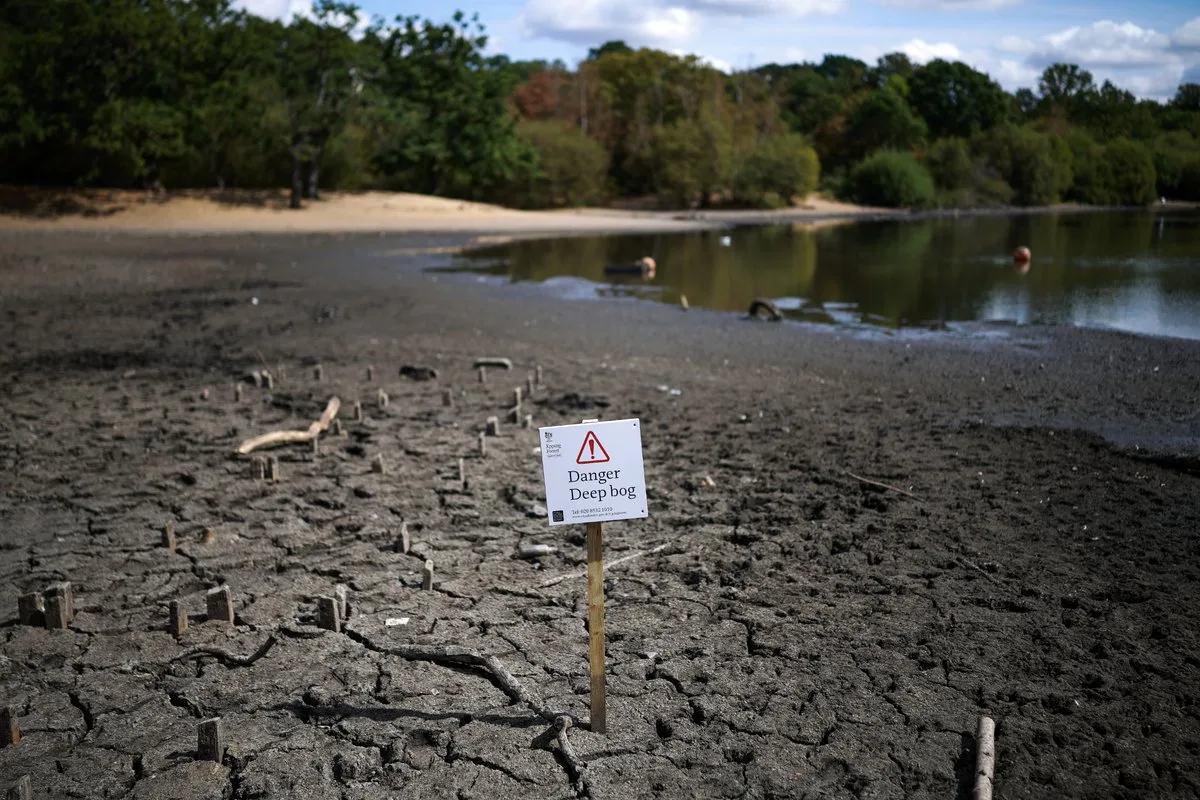
Europe has seen three consecutive months of extreme heat . As a result, drier-than-average soil conditions and drought are rampant across Western and Central Europe, said Samantha Burgess , strategic lead for climate at the European Center for Medium-Range Weather Forecasts, in a statement. The tinderbox conditions also drove record-setting extreme wildfires across the continent.
“Persistent high-pressure systems trapped heat over western Europe, the extreme temperatures also amplified widespread drought,” Burgess said.
“As soils dry out, they lose their ability to provide natural cooling, allowing heat to build more readily,” she added. “This is a clear example of how climate change is intensifying heat extremes, with heat and drought increasingly reinforcing one another.”
If you enjoyed this article, I’d like to ask for your support. Scientific American has served as an advocate for science and industry for 180 years, and right now may be the most critical moment in that two-century history.
SciAm always educates and delights me, and inspires a sense of awe for our vast, beautiful universe. I hope it does that for you, too.
If you subscribe to Scientific American , you help ensure that our coverage is centered on meaningful research and discovery; that we have the resources to report on the decisions that threaten labs across the U.S.; and that we support both budding and working scientists at a time when the value of science itself too often goes unrecognized.
There has never been a more important time for us to stand up and show why science matters. I hope you’ll support us in that mission.
5News aggregated this summary from the outlet’s public feed. The full article, with all the context, is on www.scientificamerican.com — the content belongs to Scientific American.