'You’re going to feel exposed, vulnerable, and very isolated' — 'Alien Isolation 2' creative director talks upping the scare factor for the sequel (interview)
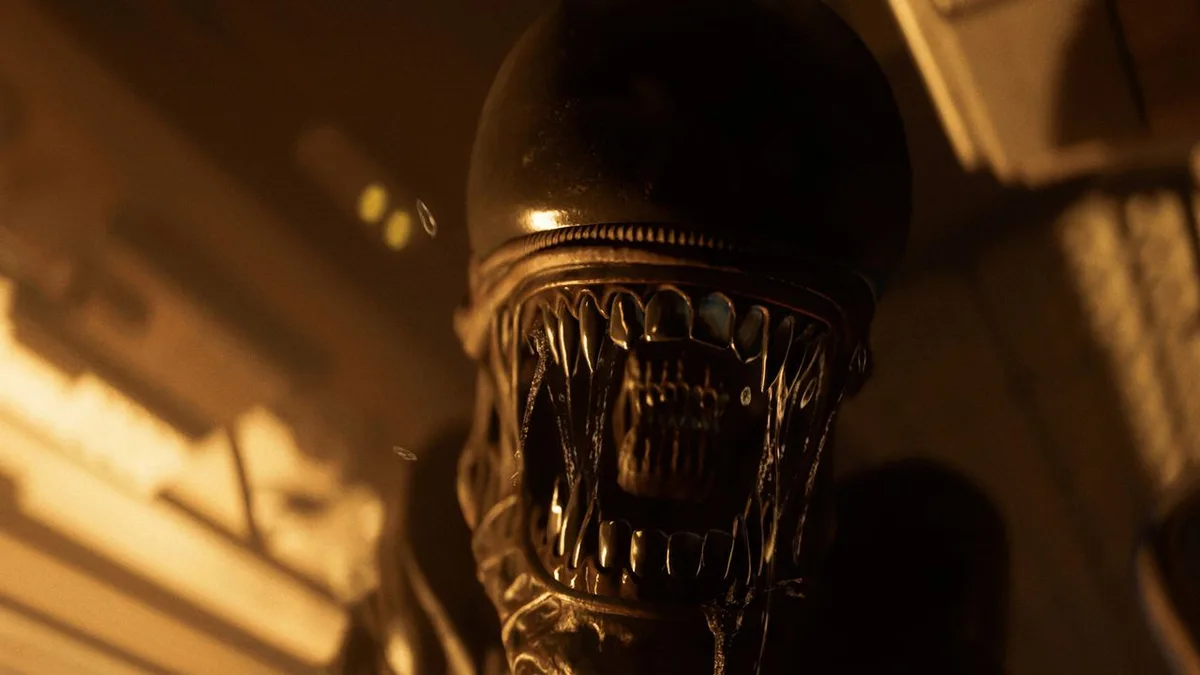
Released in 2014, "Alien: Isolation" was a sci-fi horror gaming masterpiece that combined stealth, survival horror mechanics, and cinema's greatest monster to create an underpants-ruiningly terrifying experience.
After earning phenomenal reviews, winning awards, and selling millions of copies globally, players were left clamouring for a sequel.
Now, 12 years later, it's finally happening.
In June 2026, fans got what they’ve been waiting for: their first real glimpse into what Alien: Isolation 2 has in store .
From the trailer, we learned that players will play as a survey team member at a small Weyland-Yutani outpost called Kurosaki Station.
When a ship crashes in the nearby forest, you head out to search for survivors, but the search-and-rescue mission quickly becomes a fight for survival when you start being hunted by a xenomorph.
While Alien: Isolation 2 doesn’t have an official release date yet, more info is expected later this year, including our hands-on preview at Gamescom 2026 (which is coming later this week).
In the meantime, Space caught up with Al Hope, the Creative Director for Alien: Isolation 2, to chat about what it’s like to create horror in video games and what fans can expect from the sequel.
Space.com: Alien: Isolation is considered one of the scariest games ever made.
In fact, many people see it as the scariest game ever.
Do you think you’ve discovered the secret to great video game horror? Hope: "What can I say, we had the best source material in the world to work with.
We spent so long deconstructing Ridley Scott’s 1979 movie when making Alien: Isolation to really understand the building blocks, and how it evokes such a unique and striking sense of horror to this day.
"That’s what we build into our games.
That sense of powerlessness against an unknowable, unkillable foe.
5News aggregated this summary from the outlet’s public feed. The full article, with all the context, is on www.space.com — the content belongs to Space.com.