From a Singapore airport soundtrack to new AI-powered PCs, HP is looking for a new rhythm in Asia
The music you hear as you walk through Singapore’s Changi Airport can’t be found on any playlist or album.
Instead, it’s being composed in real-time by a computer program.
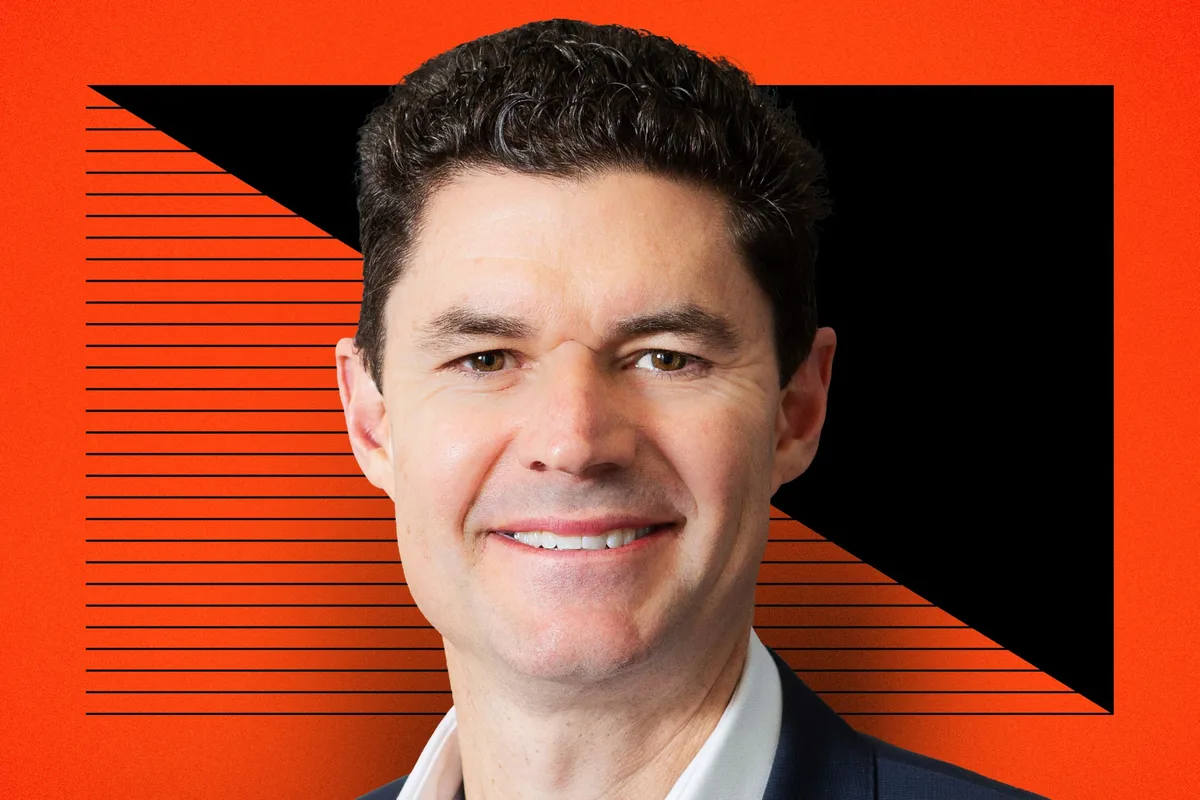
“If you’re walking through Changi, you’ll be hearing a soundtrack that is literally AI,” Michael Boyle, HP’s senior vice president and managing director for Greater Asia, told Fortune in early August.
“The great thing about AI is that you can shape it.
If it starts raining outside, the airport gets busy, or it’s nighttime, the AI can adapt the music.” The company behind those tunes is Wubble AI , a Singapore-based startup that participated HP’s “Garage 2.0” program, an accelerator that the company started in the Southeast Asian city in Oct.
2025.
HP became a backer of Wubble AI in July.
Garage 2.0 harks back to HP’s roots in Palo Alto, where founders Bill Hewlett and Dave Packard started the company in the latter’s garage in 1939.
HP runs Garage 2.0 with Antler, the global venture firm that has made more than 1,400 investments across more than 30 markets.
“We’re looking at these founders and the speed that they can go without the complexity of being in a large organization, and it’s inspiring,” Boyle said.
“It gives those of us working in a large, matrix organization the chance to come back down and think about what’s really going to cut through and build scale.” Yet the Garage 2.0 program gets at a deeper question at the heart of HP: Is the tech company that’s perhaps most responsible for Silicon Valley’s culture getting left behind? HP is now No.
276 on the Fortune Global 500, down from No.
194 in 2017.
The company is now betting on AI PCs as a new growth category, wagering that consumers will prefer to run AI on their own devices rather than in the cloud.
5News aggregated this summary from the outlet’s public feed. The full article, with all the context, is on fortune.com — the content belongs to Fortune.