The Missing Pieces We Carry After 9/11
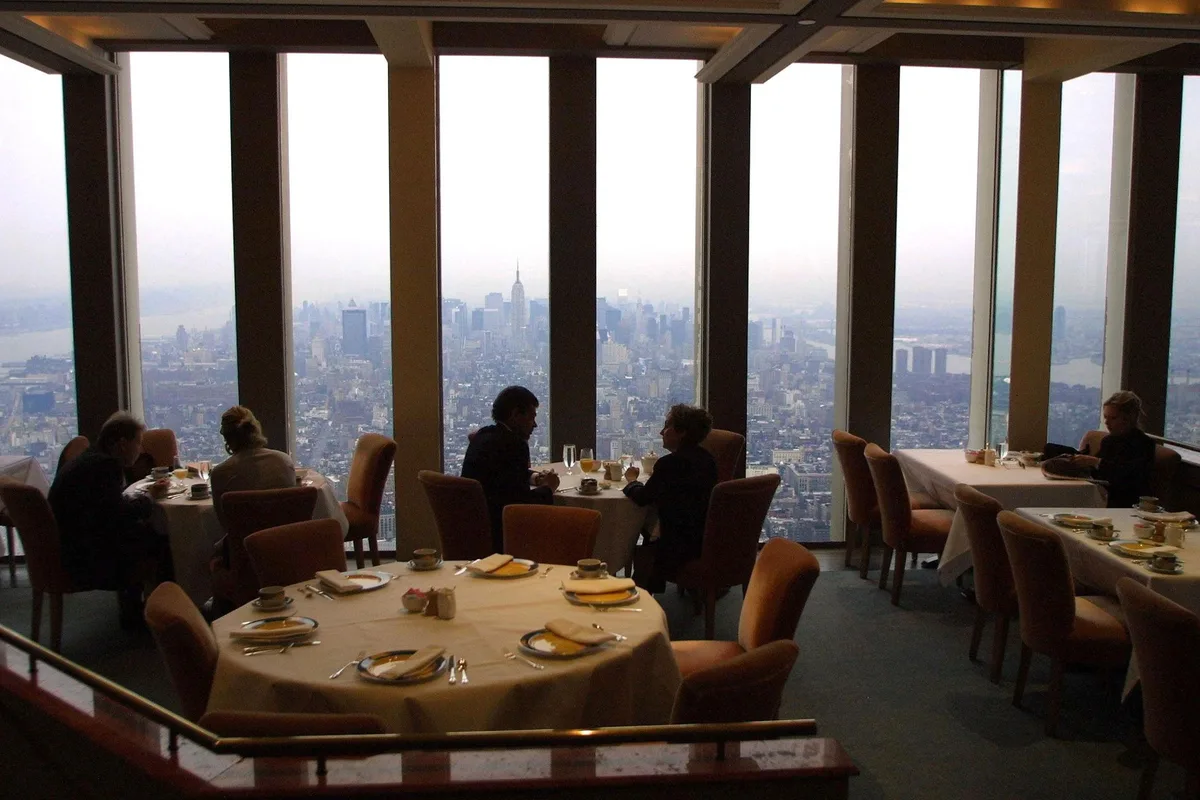
Breakfast at Windows on the World in New York City in February, 2001. —Angel Franco—The New York Times/Redux Early dawn.
A slice of last night’s chocolate cake.
Watching the rays of the sun spread over the city.
Stealing a moment like this was a coveted morning ritual for some of the breakfast staff at Windows on the World, the restaurant that was on the 107th floor of the North Tower of the World Trade Center.
This was the meeting place where New Yorkers and out-of-towners went to celebrate birthdays and anniversaries; to revel with food and drink and to mark life milestones.
And for many of the staff, it was a dream job.
“I would have worked there just for the insurance,” says Windows sommelier and waiter Paulo Villela, who immigrated from Brazil in order to get medical care for his son, who had a rare medical condition.
“It was the best job.” He would tell his friends on staff, who hailed from dozens of countries—Bangladesh, Ivory Coast, Peru, China—“I’m never going to leave this place.” On Sept.
11, 2001, so much changed .
So much was lost.
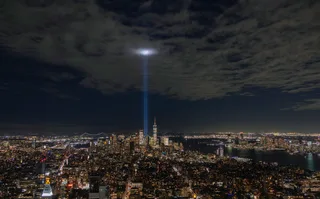
Most tragically, there are the 2,977 people who were killed, including 79 workers from Windows, and 91 of its guests.
Those victims and their families are at the heart of this dark moment in history, which millions of us experienced from close or afar.
How one feels is at least partly determined by one’s proximity to the event.
On that day, I was covering the Toronto Film Festival as a journalist.
5News aggregated this summary from the outlet’s public feed. The full article, with all the context, is on time.com — the content belongs to TIME.