Why the AI boom has become an election problem
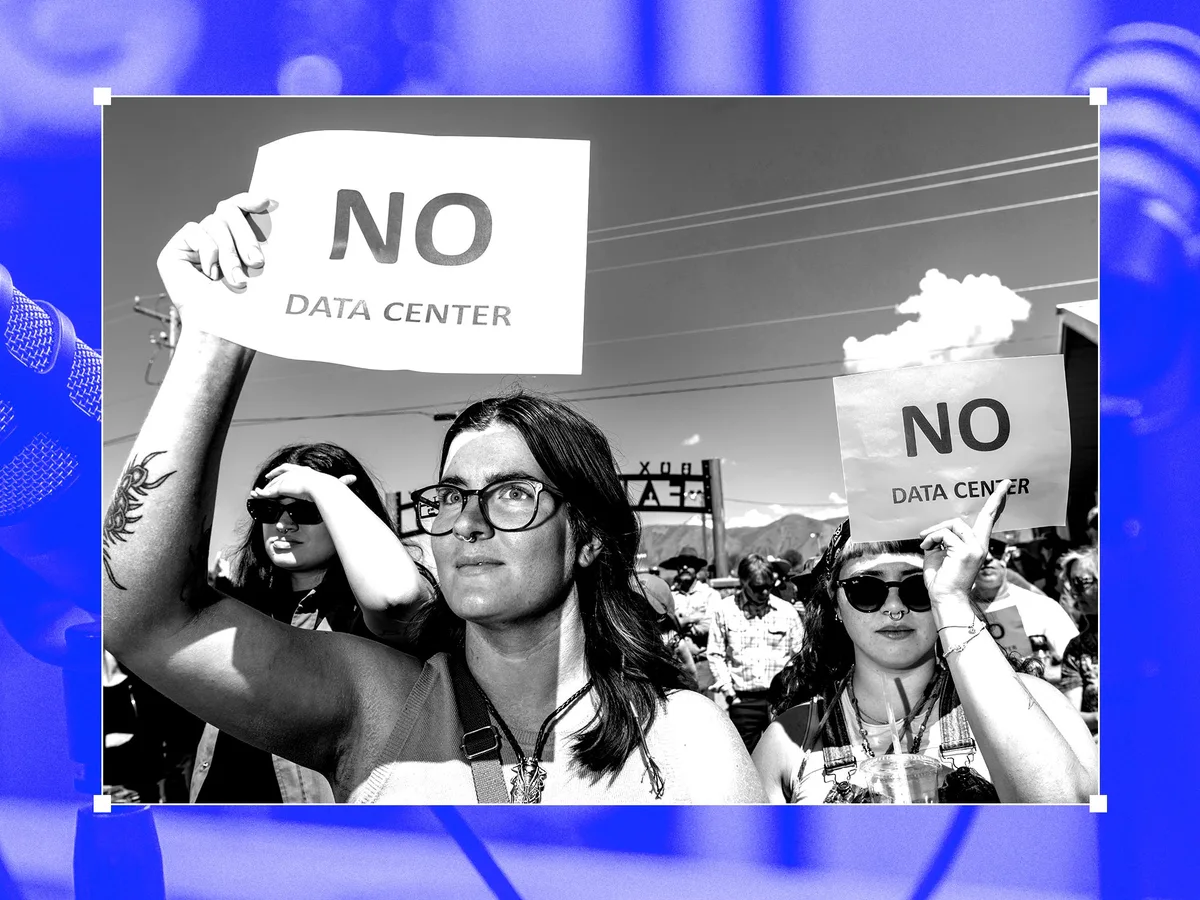
Natalie Behring/Getty Images; BI It was easy to predict that data centers might become the unpopular symbol of the AI boom.
Still: A stunning percentage of Americans now say they oppose data centers, and politicians are scrambling to catch up to the sentiment.
Semafor politics reporter David Weigel says the shift has been visible since last fall, and represents a general disenchantment with tech.
Not very long ago, if you asked someone what they thought about data centers , they might have asked you what a data center is.
Now, an overwhelming majority of Americans know exactly what you're talking about, and they're against it.
The anti-data center sentiment is so strong it has flipped politicians who were data center advocates into opposers in less than a year.
How did that happen? There are lots of theories — including one that says China is using social media to try to dupe Americans.
But David Weigel thinks it's simpler: He says Americans are simply uneasy about tech in general — and very uneasy about tech they think will take their jobs.
Weigel, a longtime politics reporter who's now at Semafor , spends a lot of his time on the road, talking to voters and politicians.
He connects the anti-data center movement to a general unhappiness with the tech industry and technology, and he says that's manifesting in all kinds of political contests this year.
We discussed all of that — including the anti-Flock camera movement that has sprung up very recently, as well as Elon Musk's plan to re-involve himself in politics this fall , in my Channels podcast.
The following is an edited excerpt of our conversation: Peter Kafka: People have been talking about the backlash against tech for some time.
But this seems like the first year it is really showing up in political races.
What's behind the anti-tech sentiment we're seeing so much of these days? David Weigel: There is a sense of dread about things moving more quickly that there was not before.
5News aggregated this summary from the outlet’s public feed. The full article, with all the context, is on www.businessinsider.com — the content belongs to Business Insider.